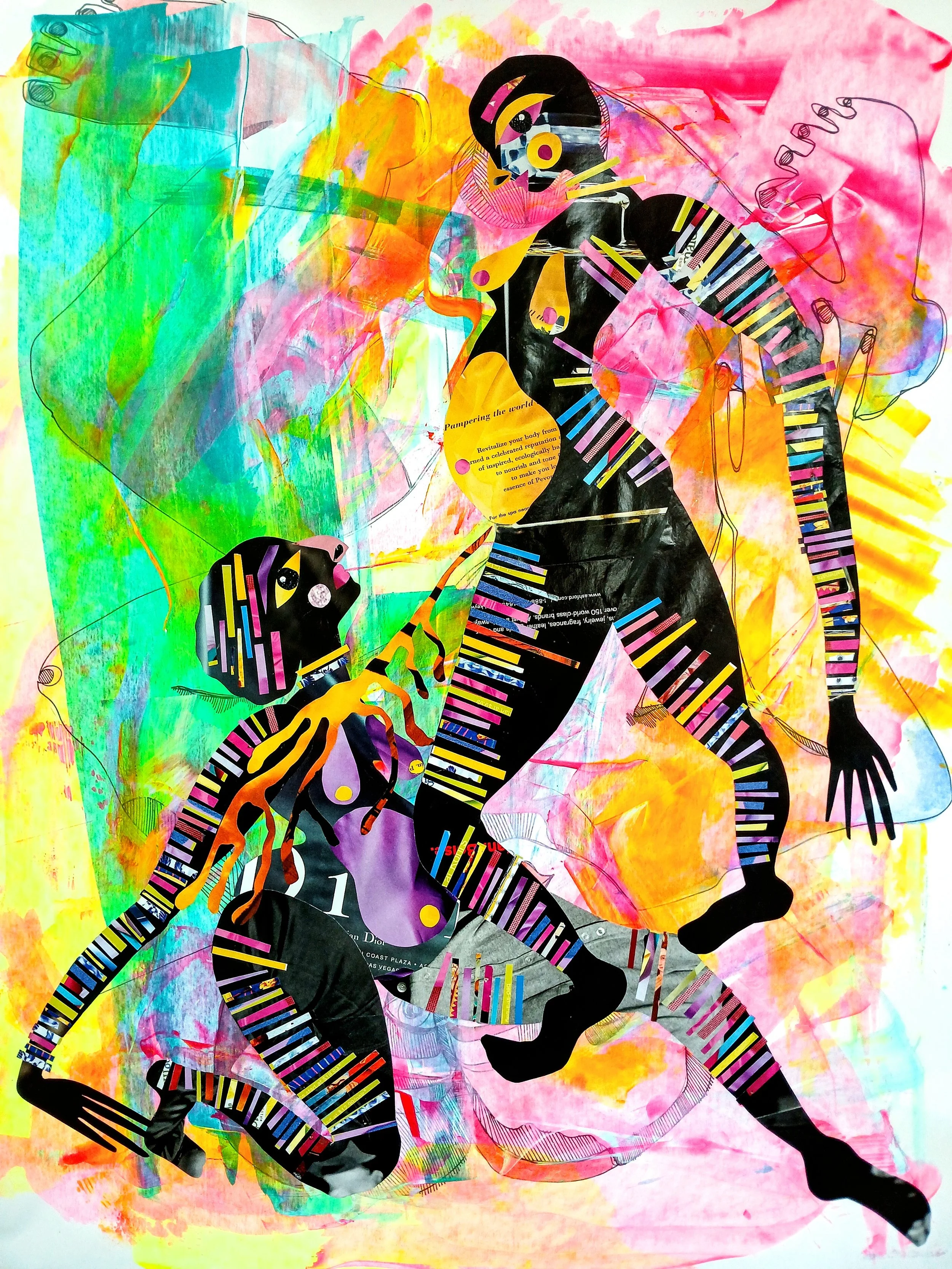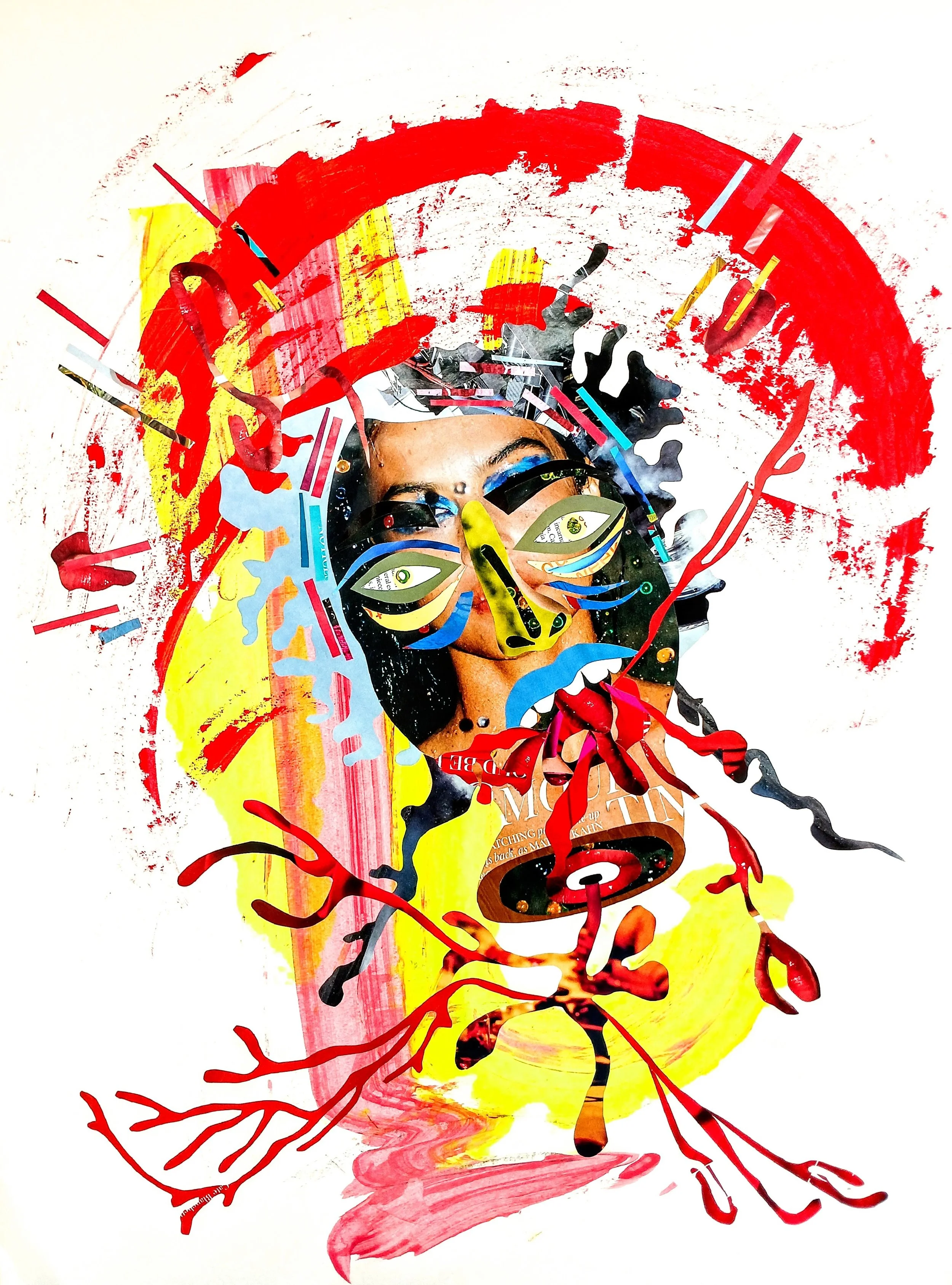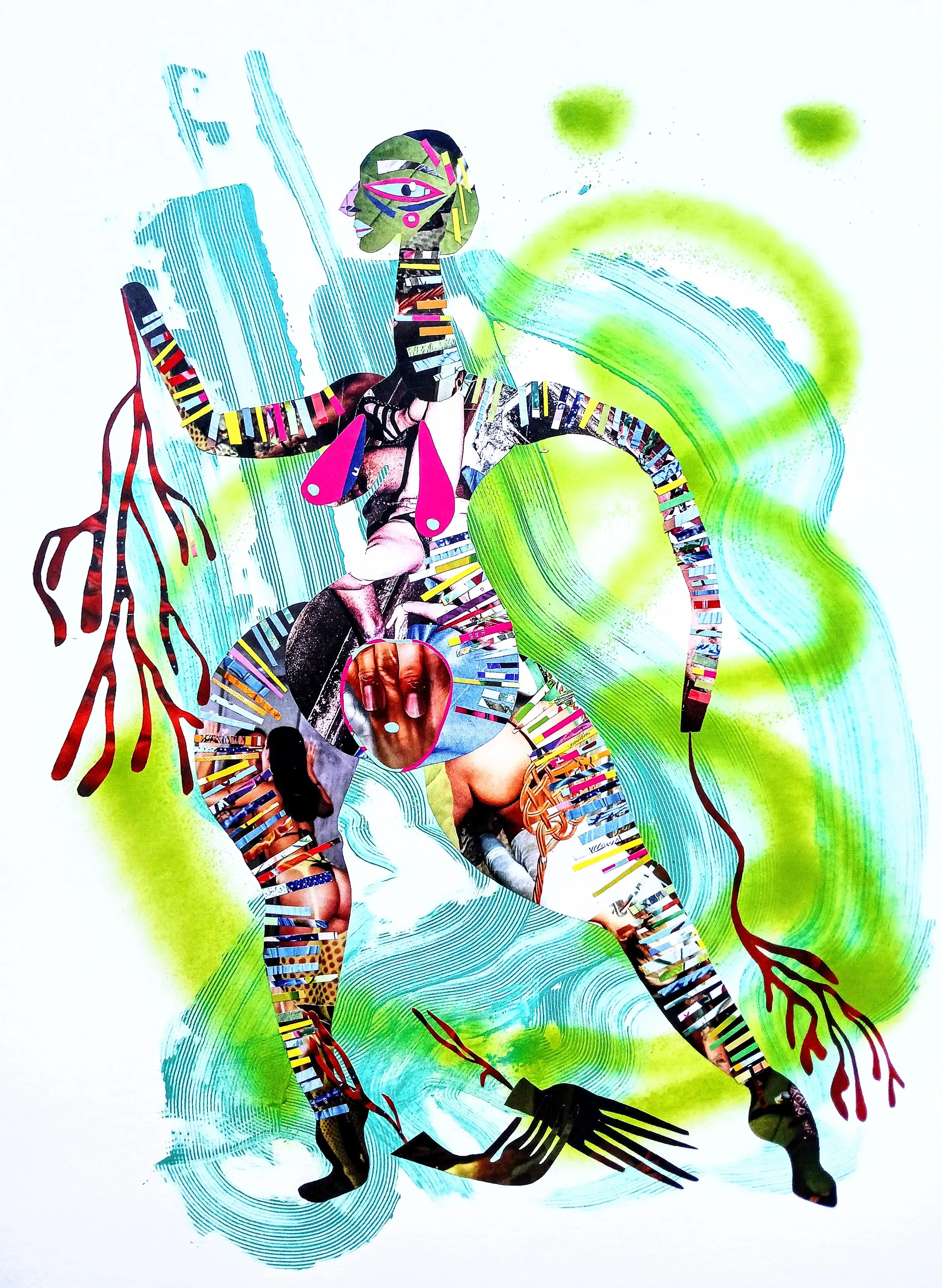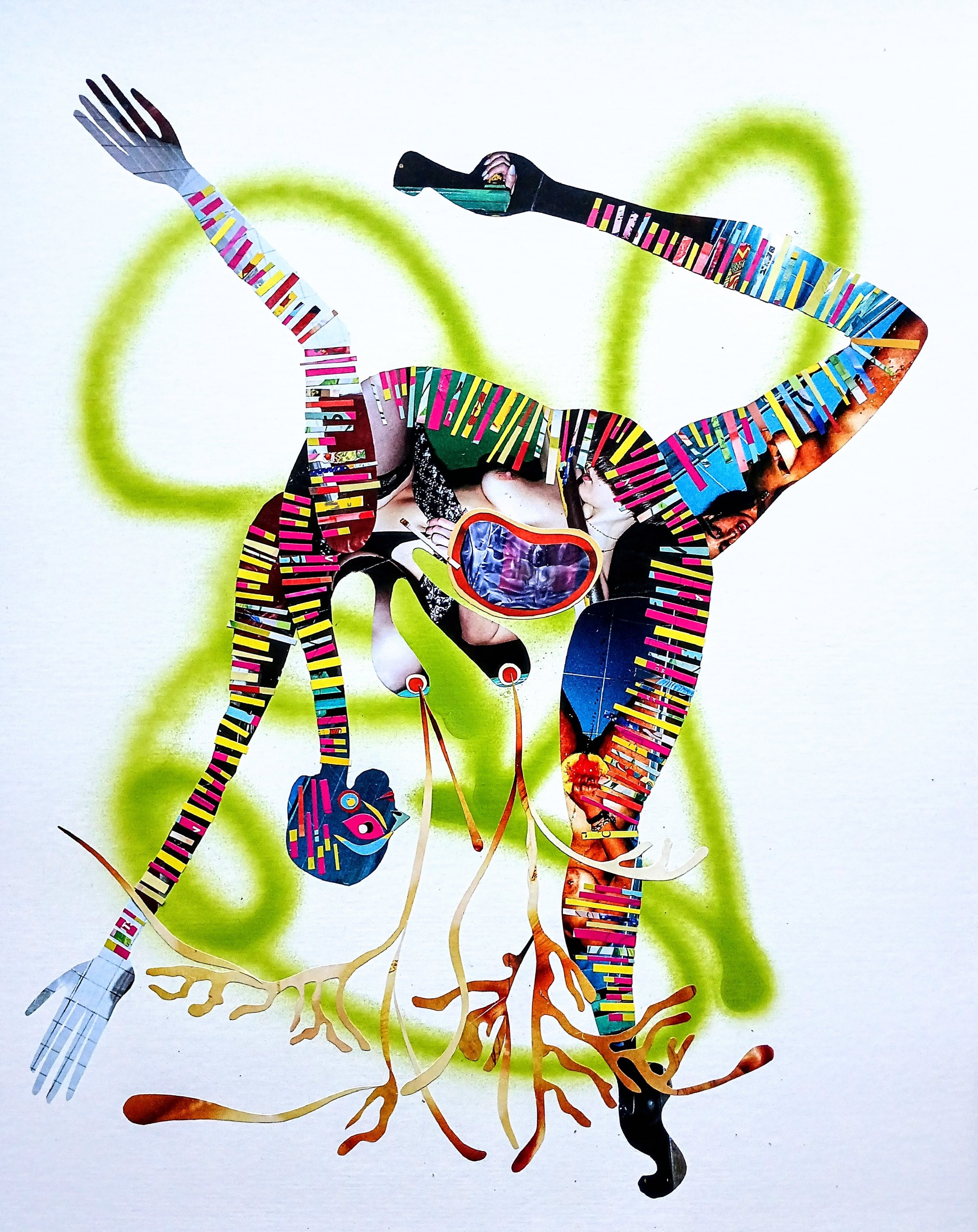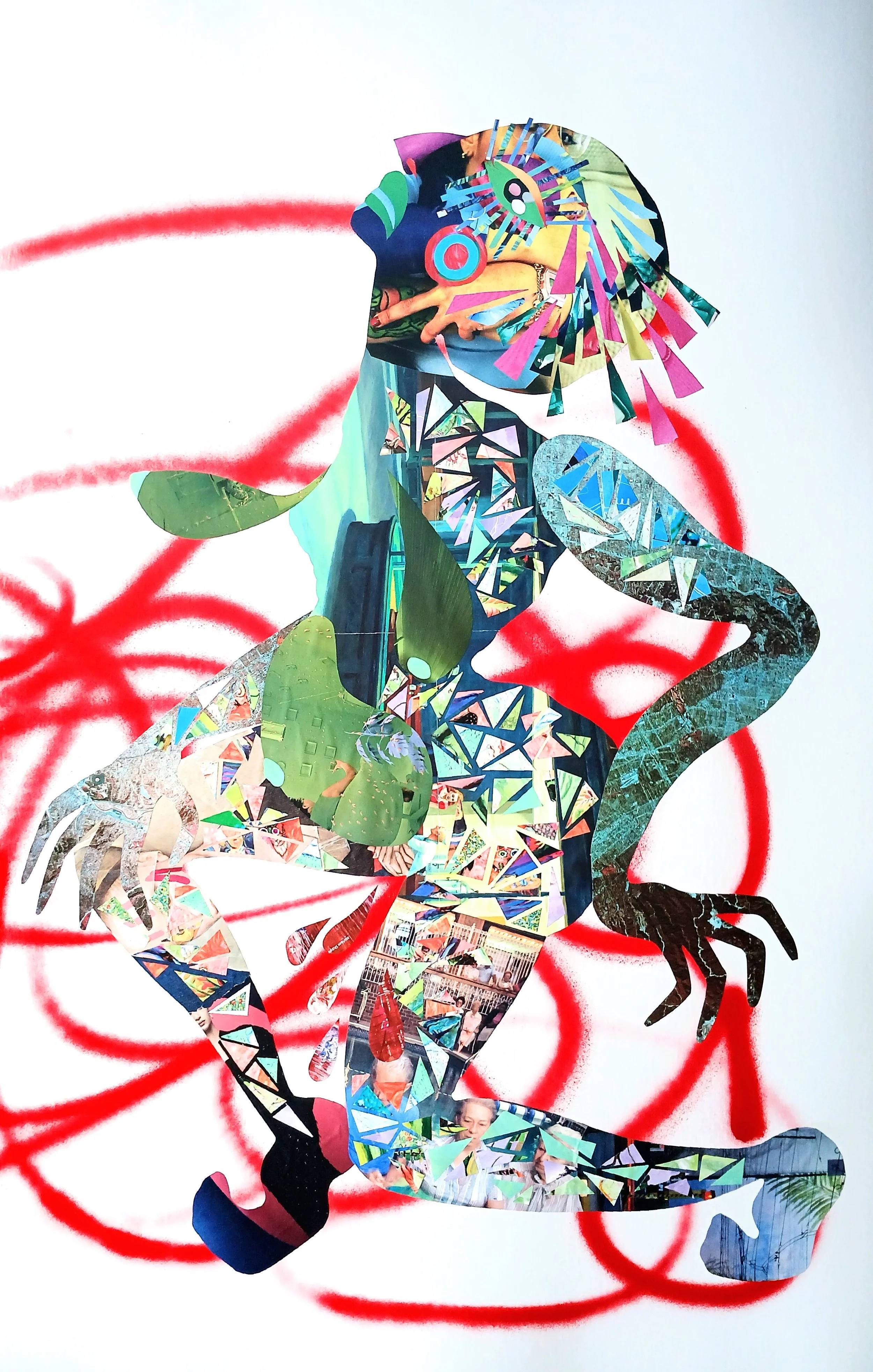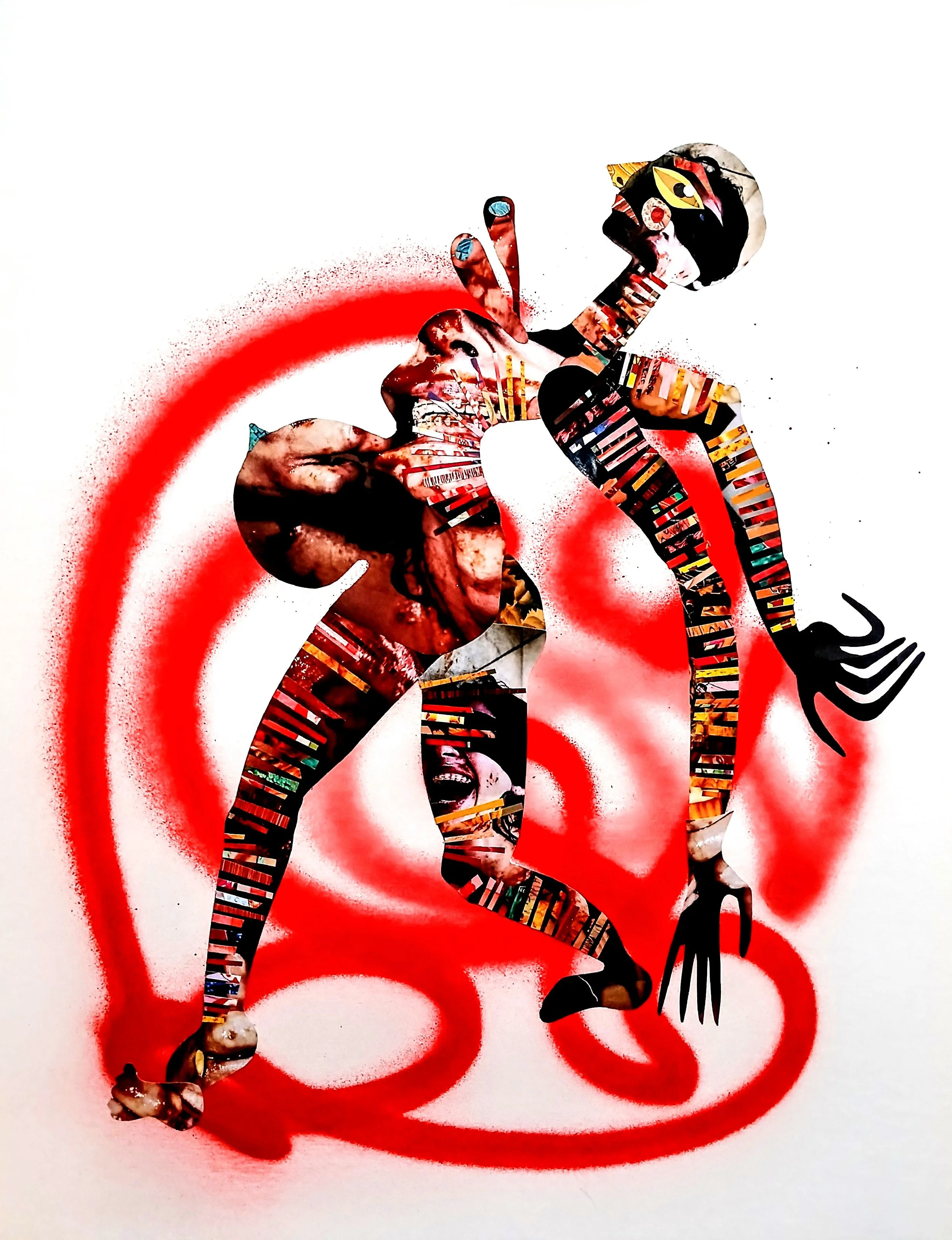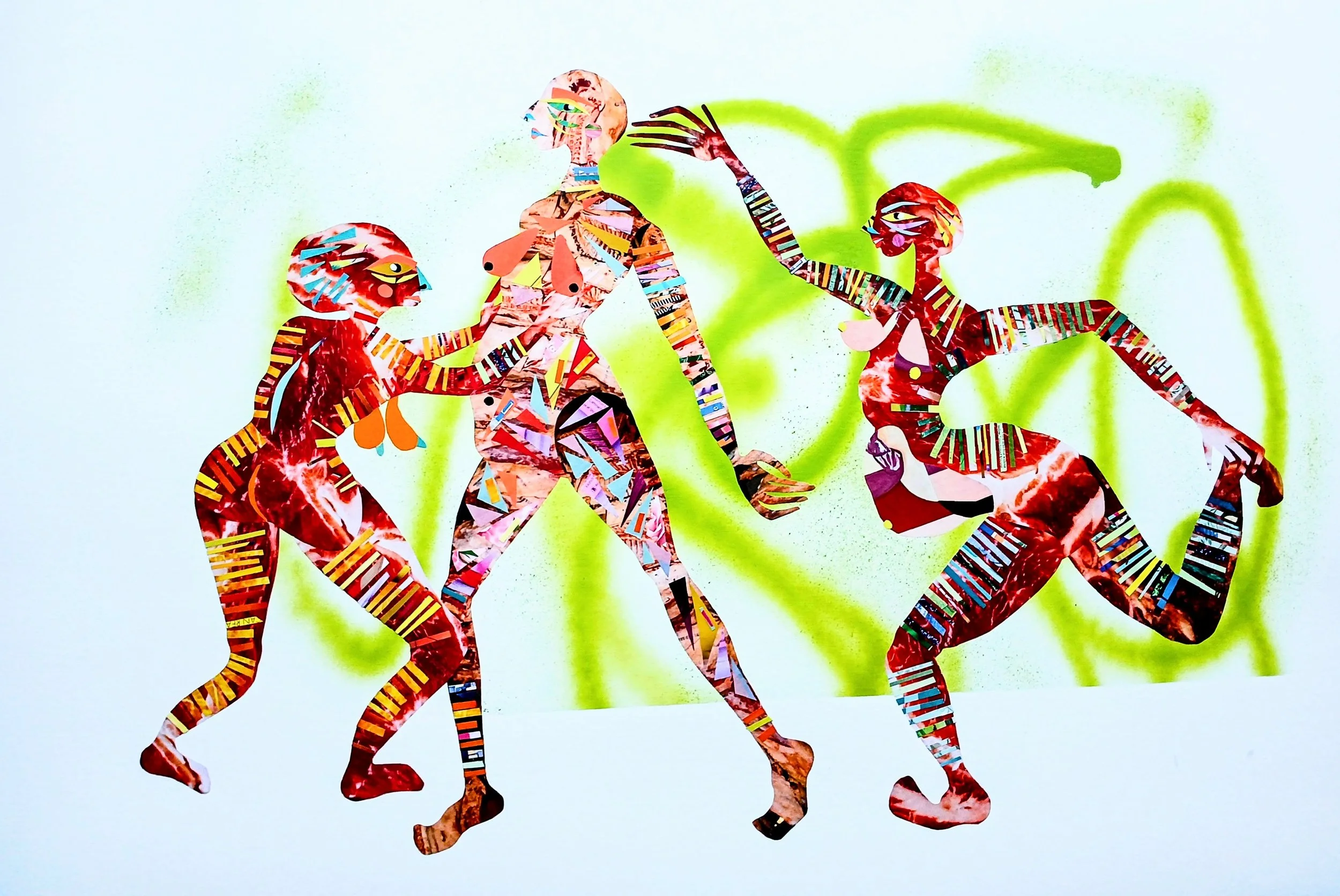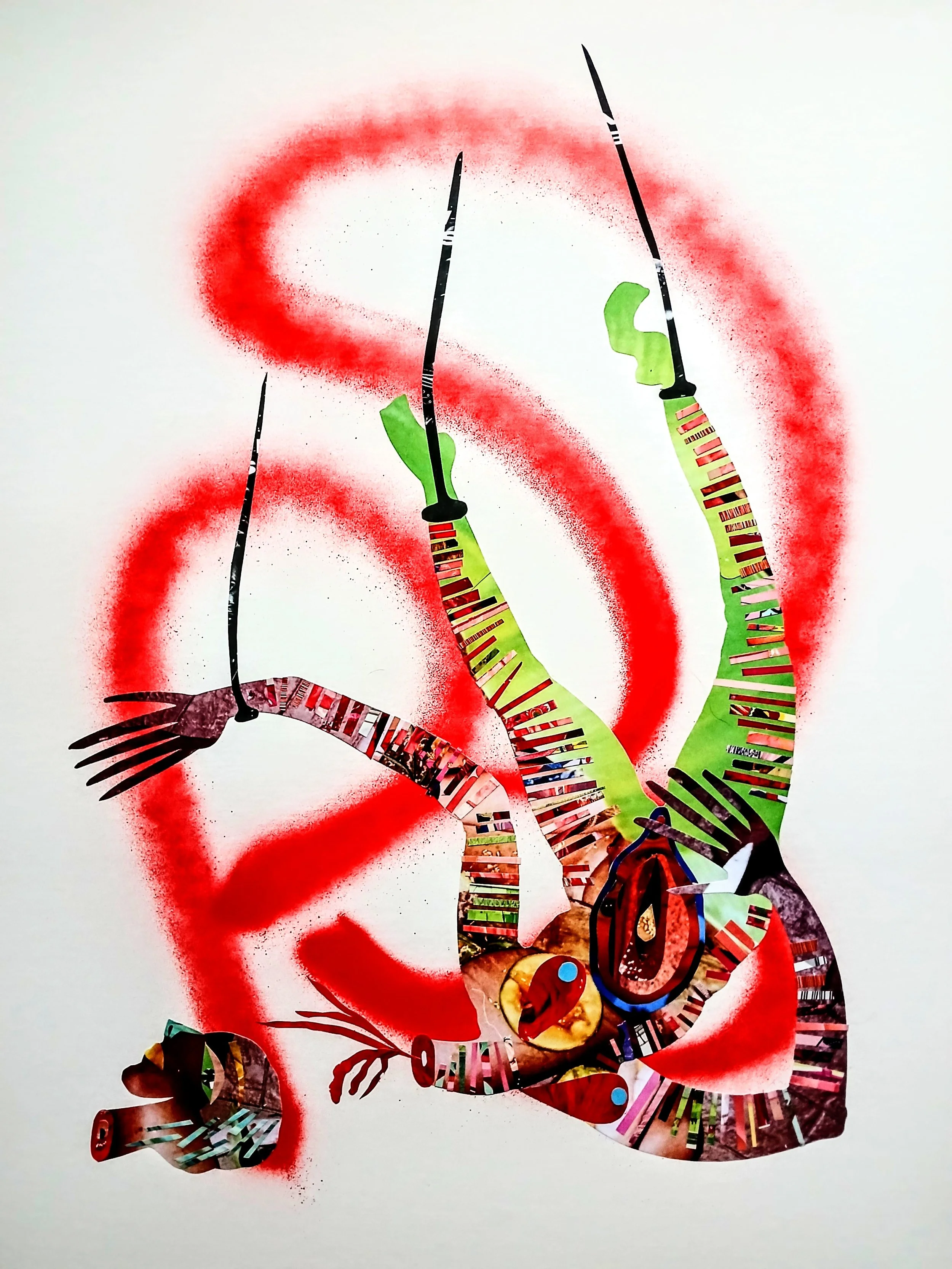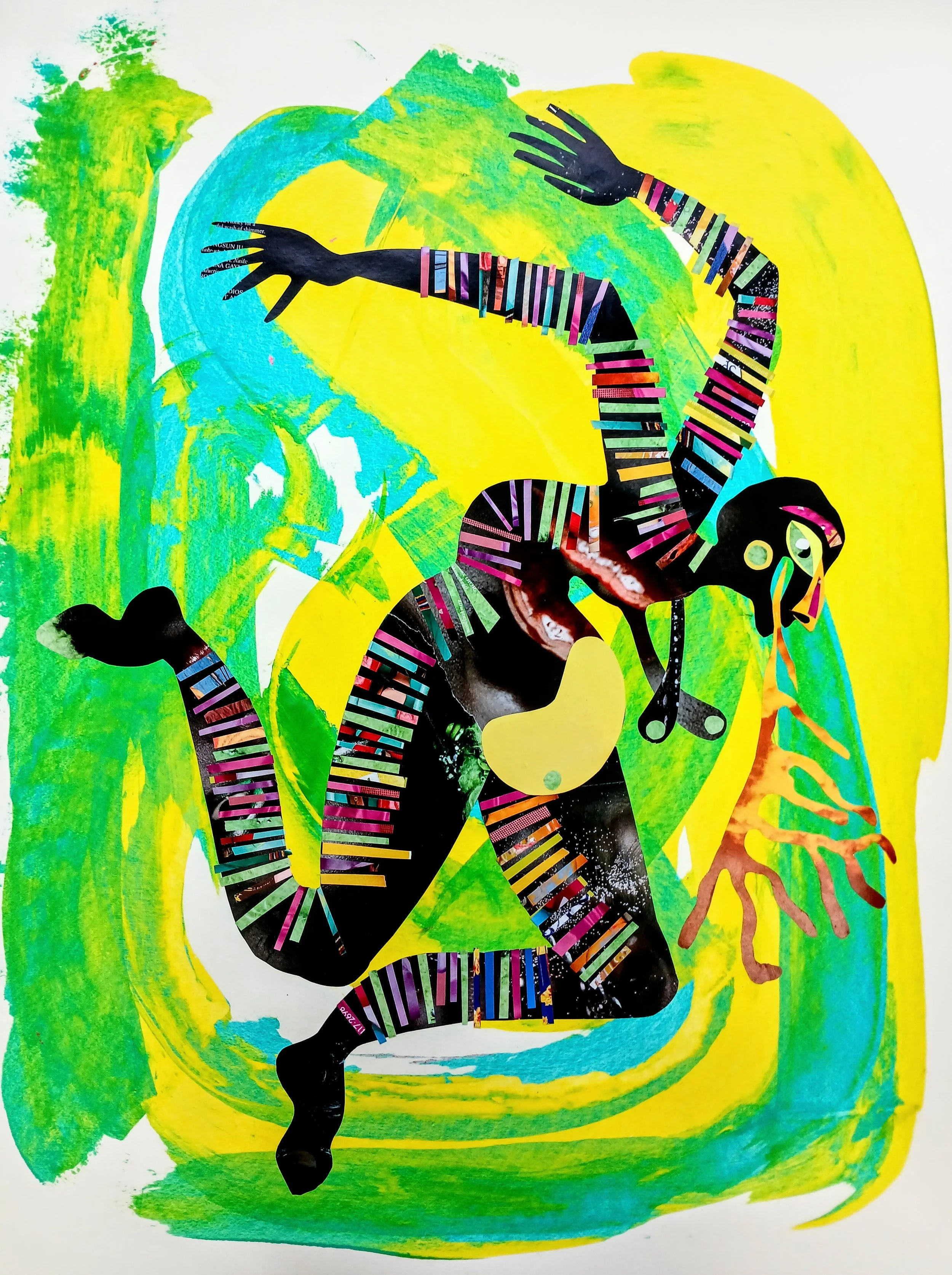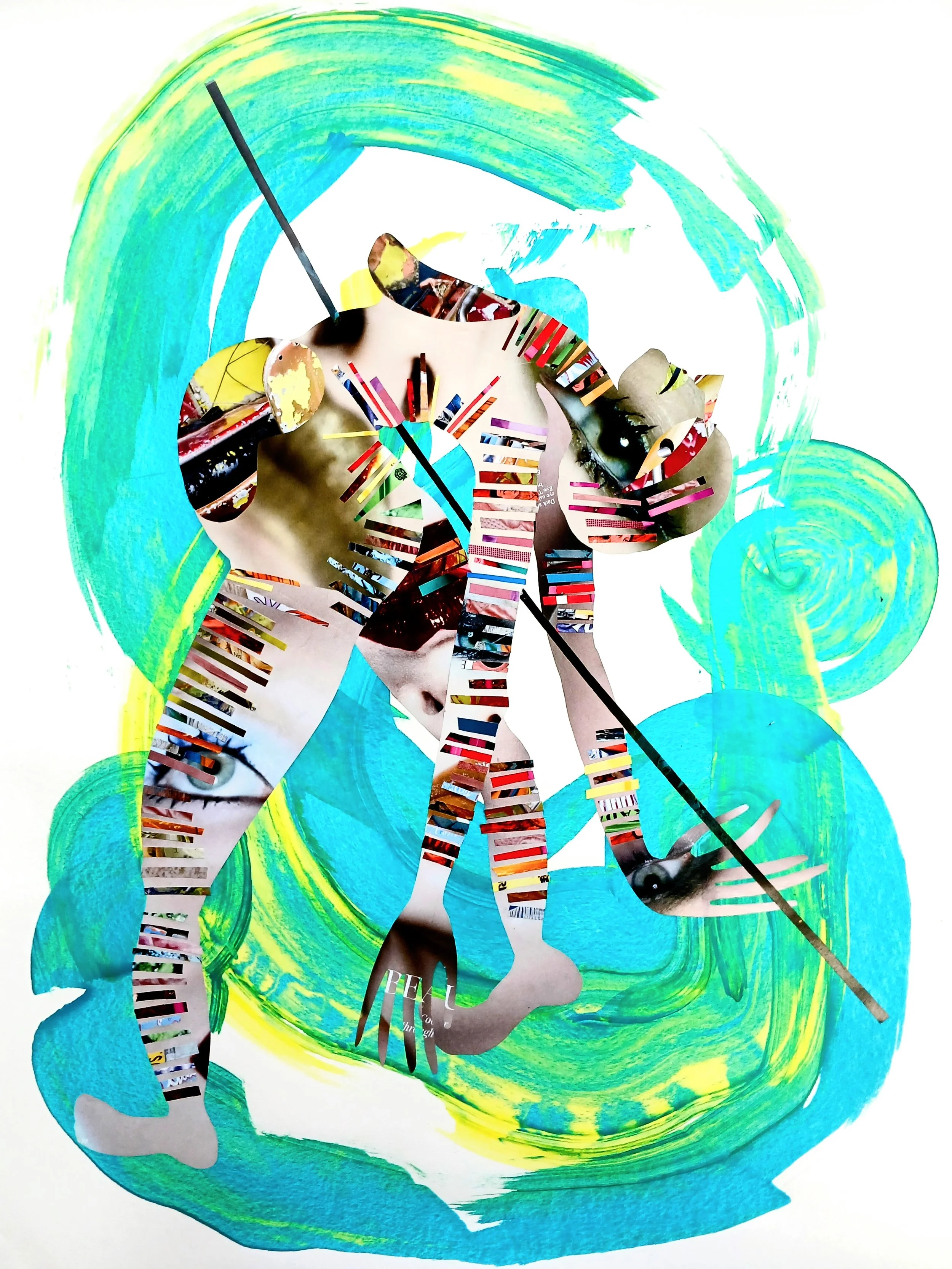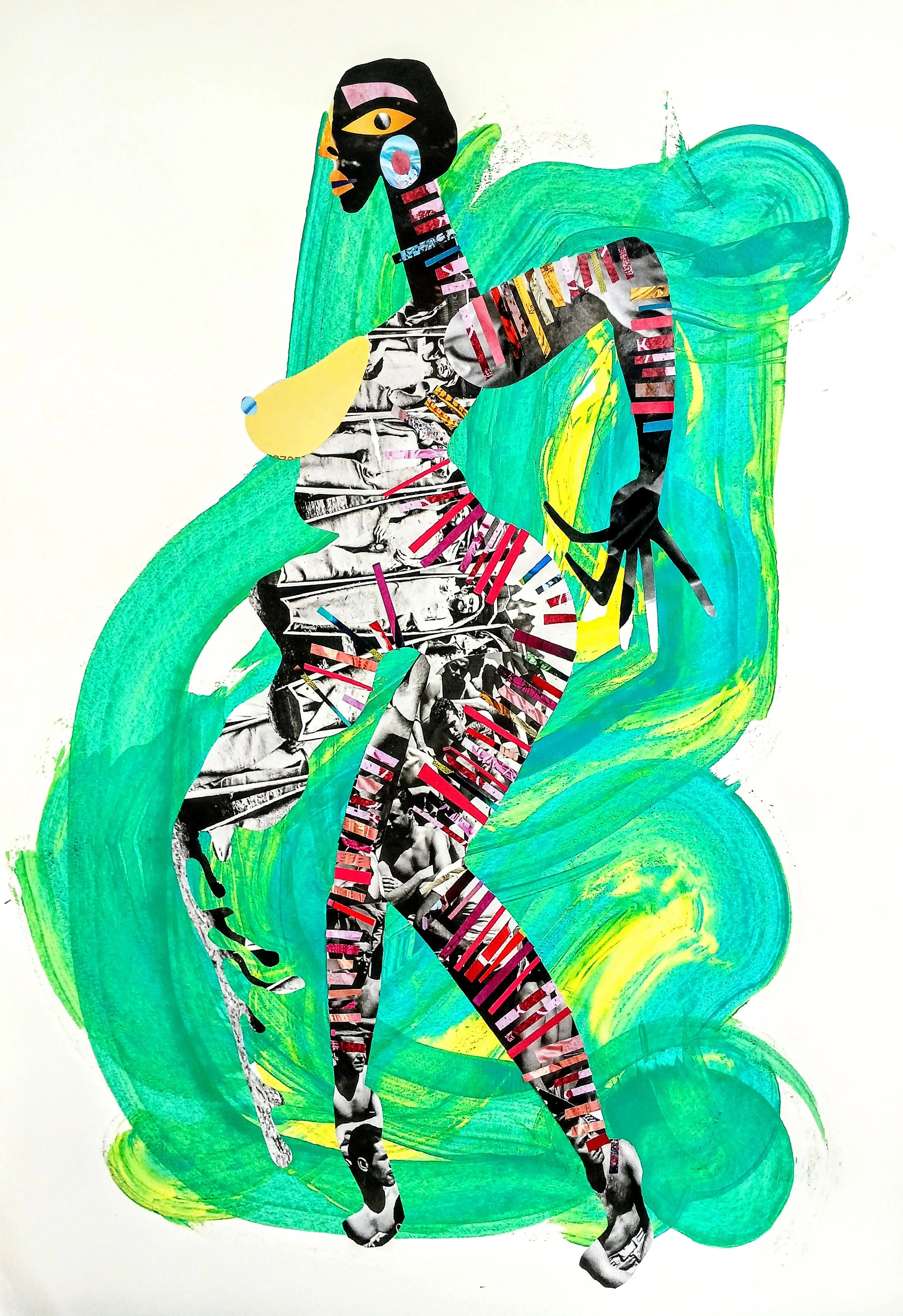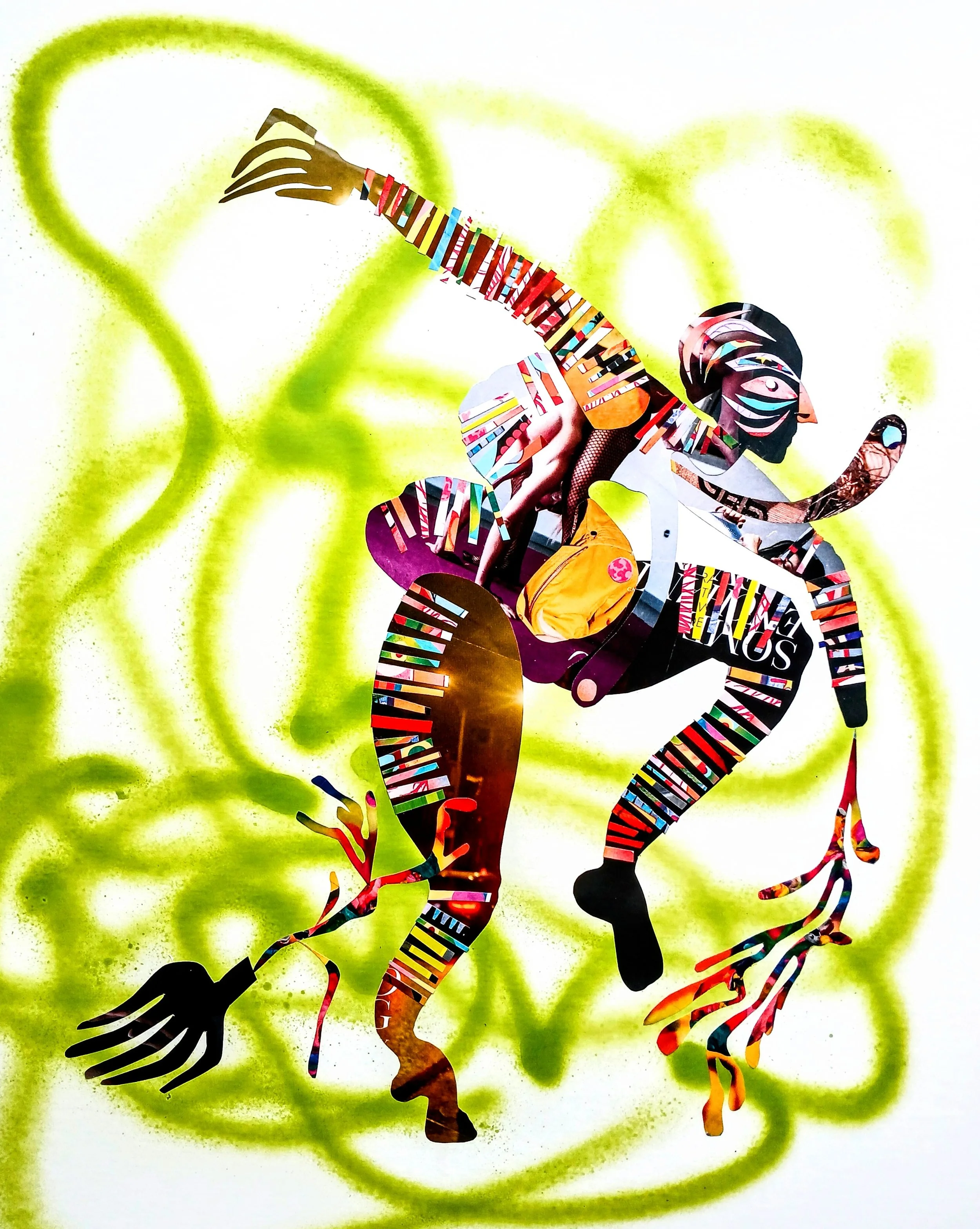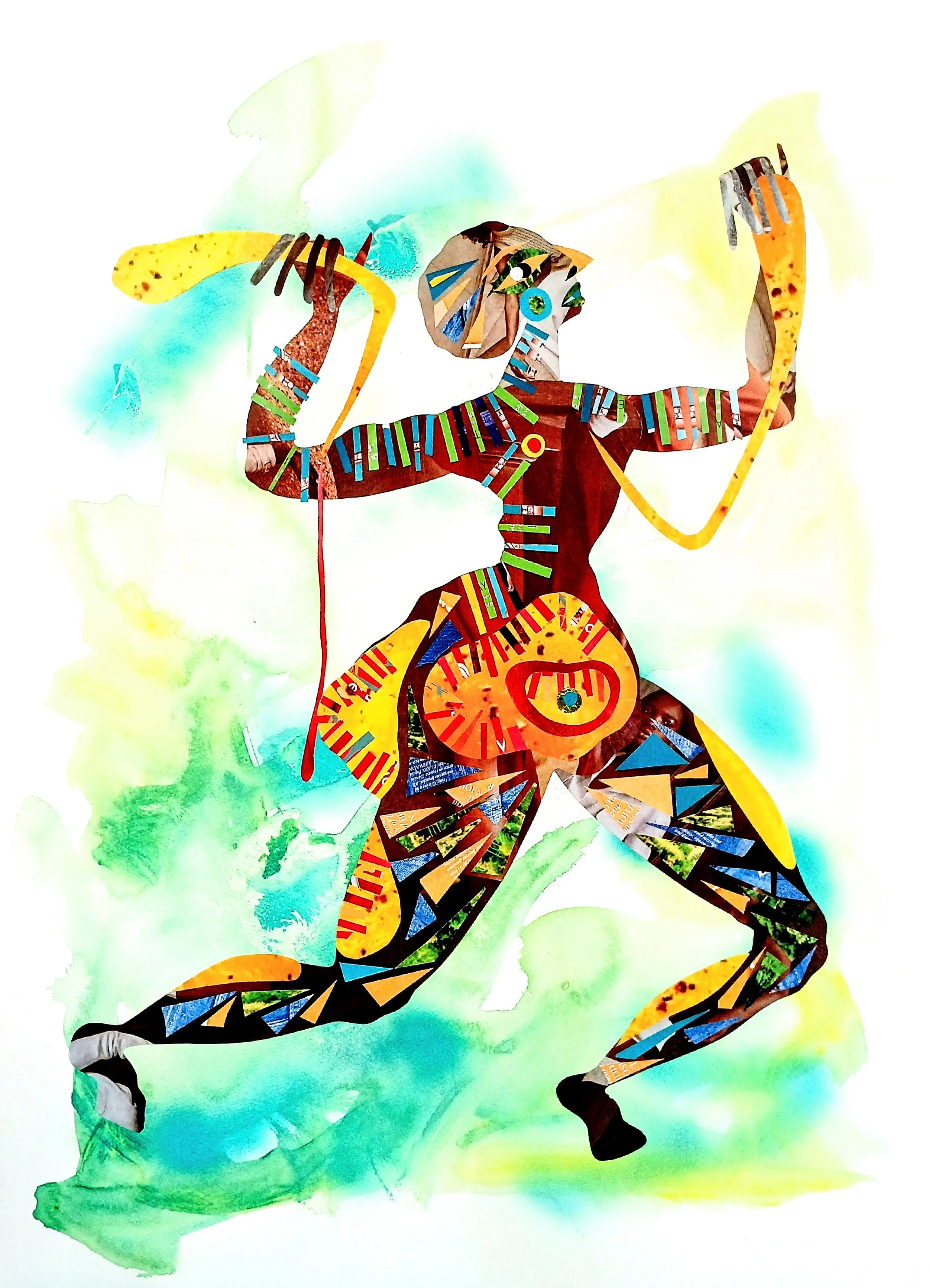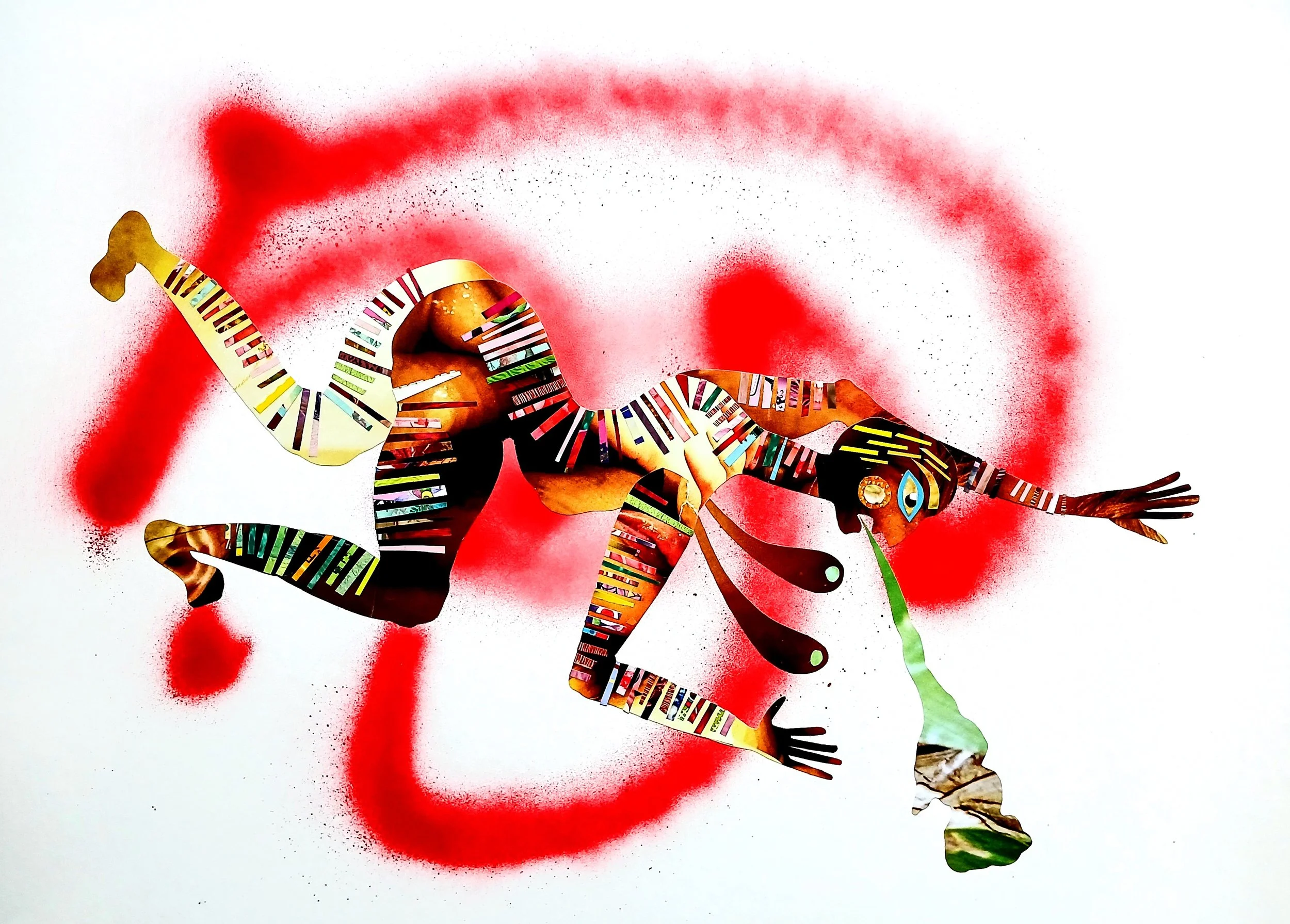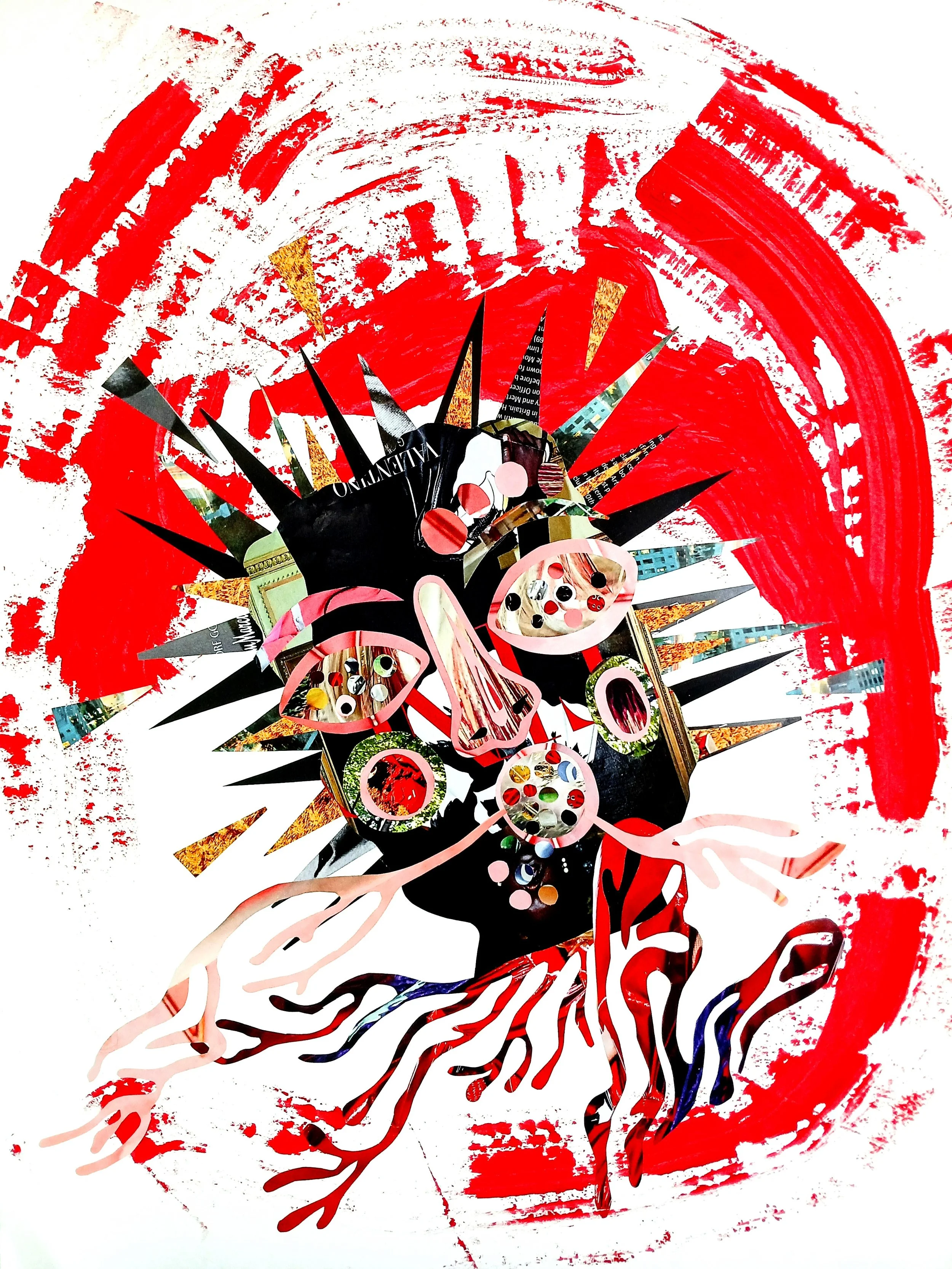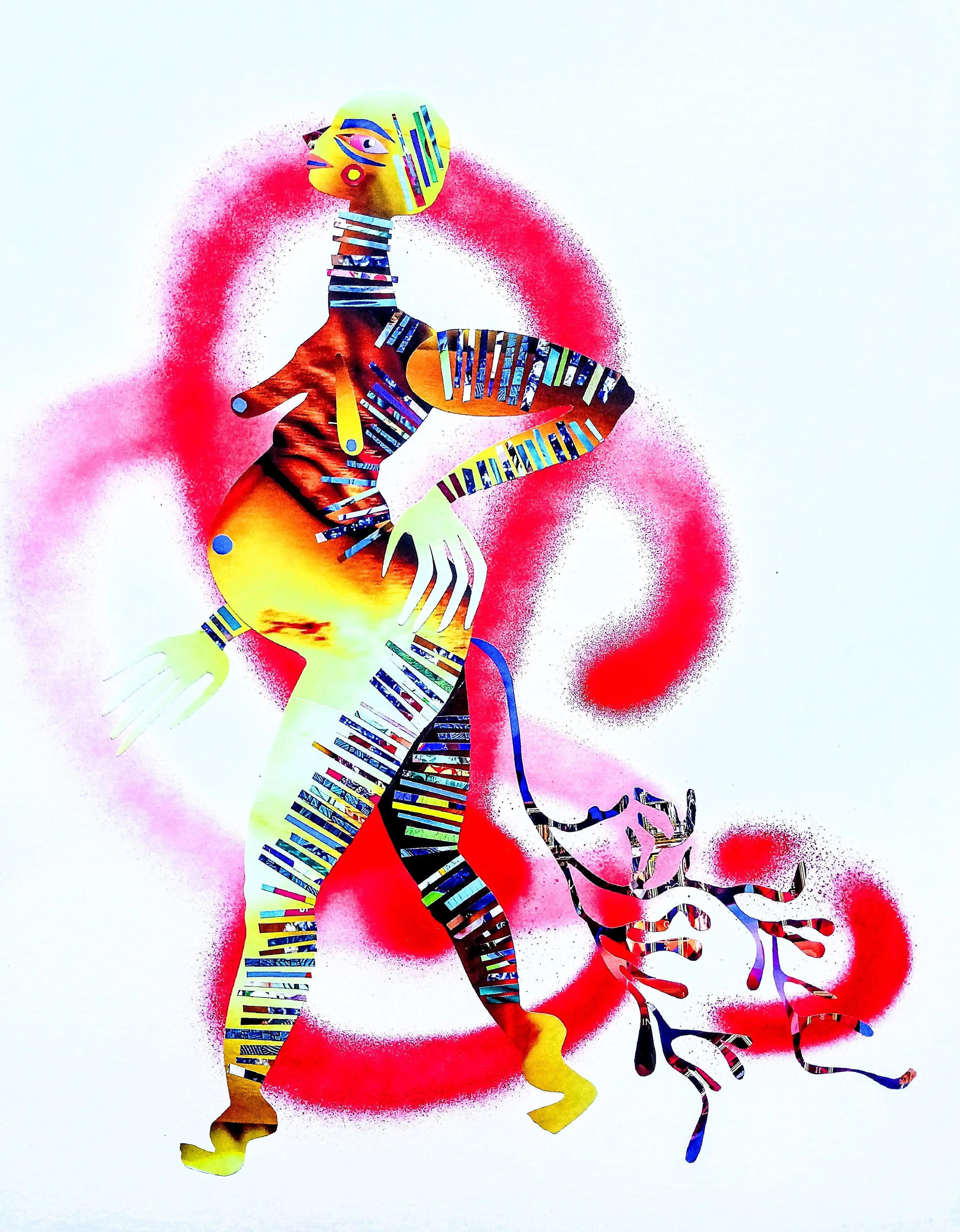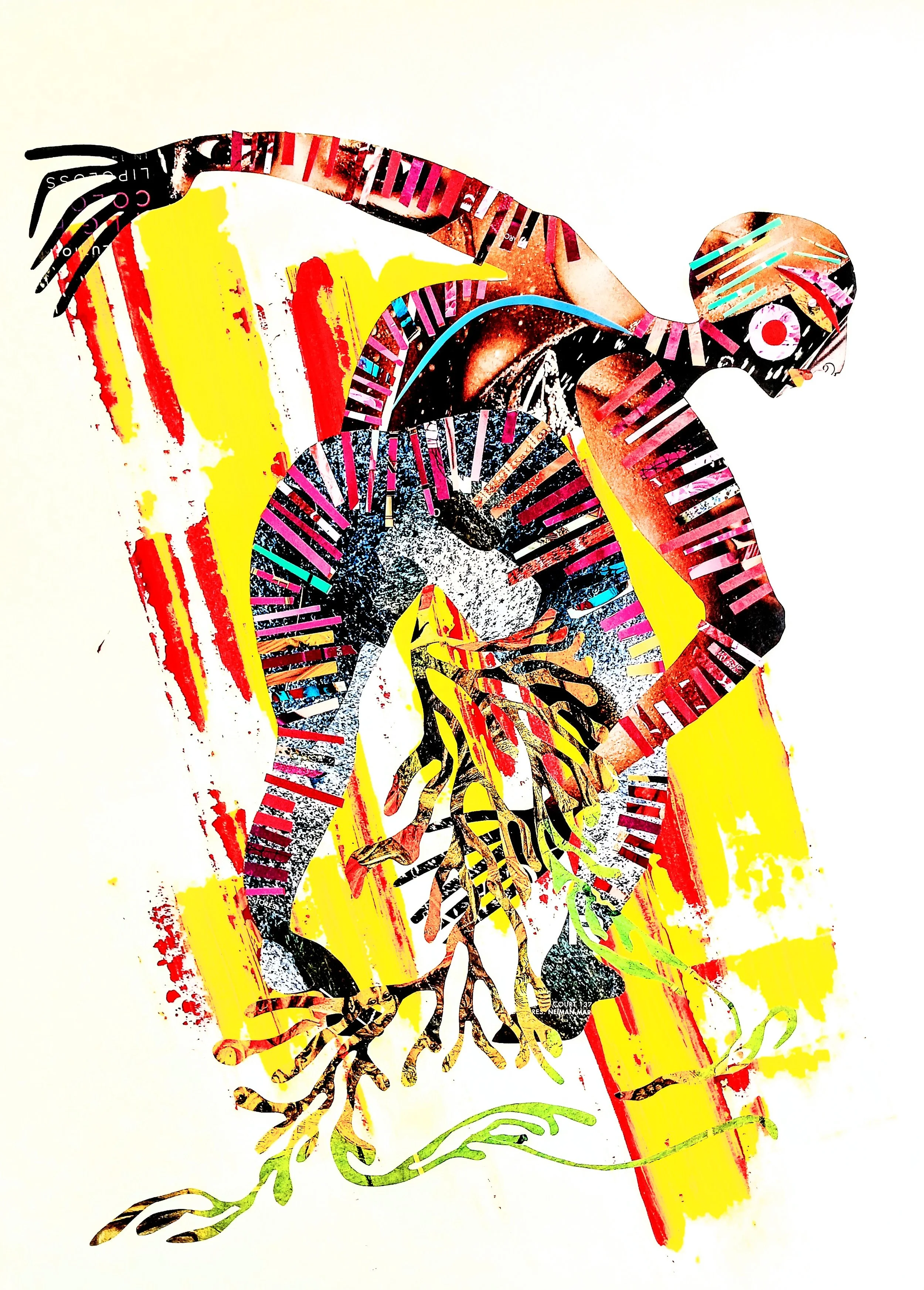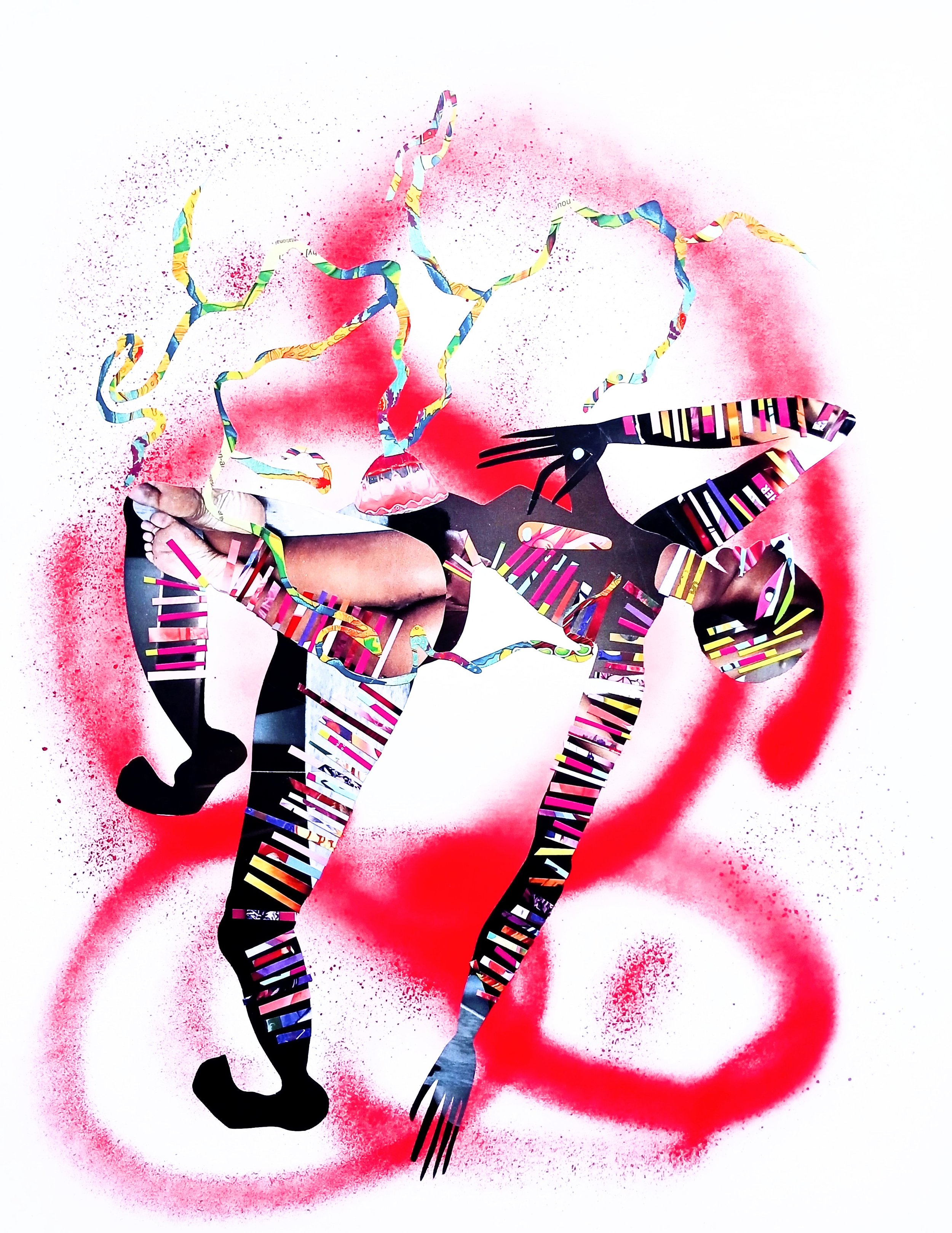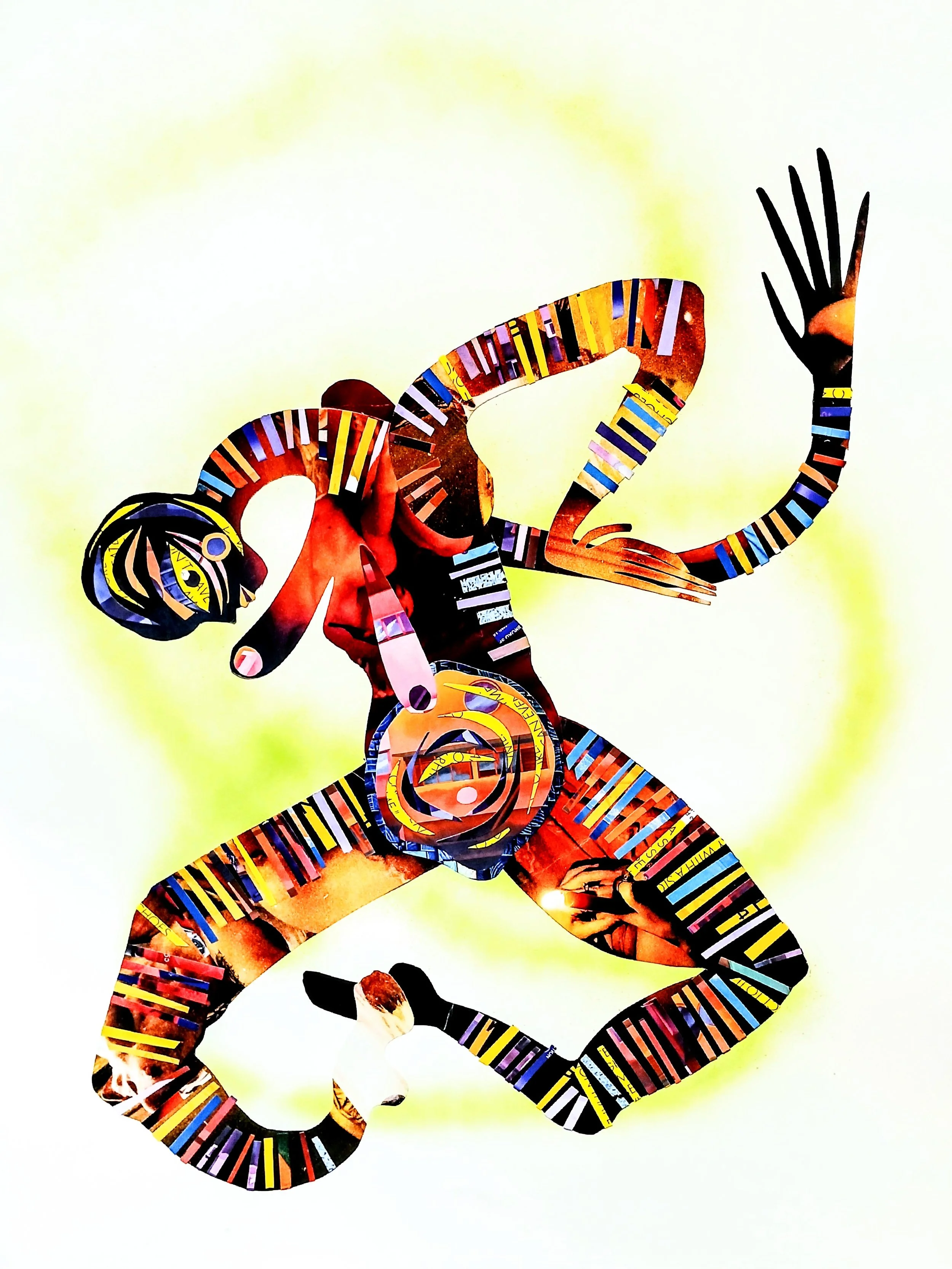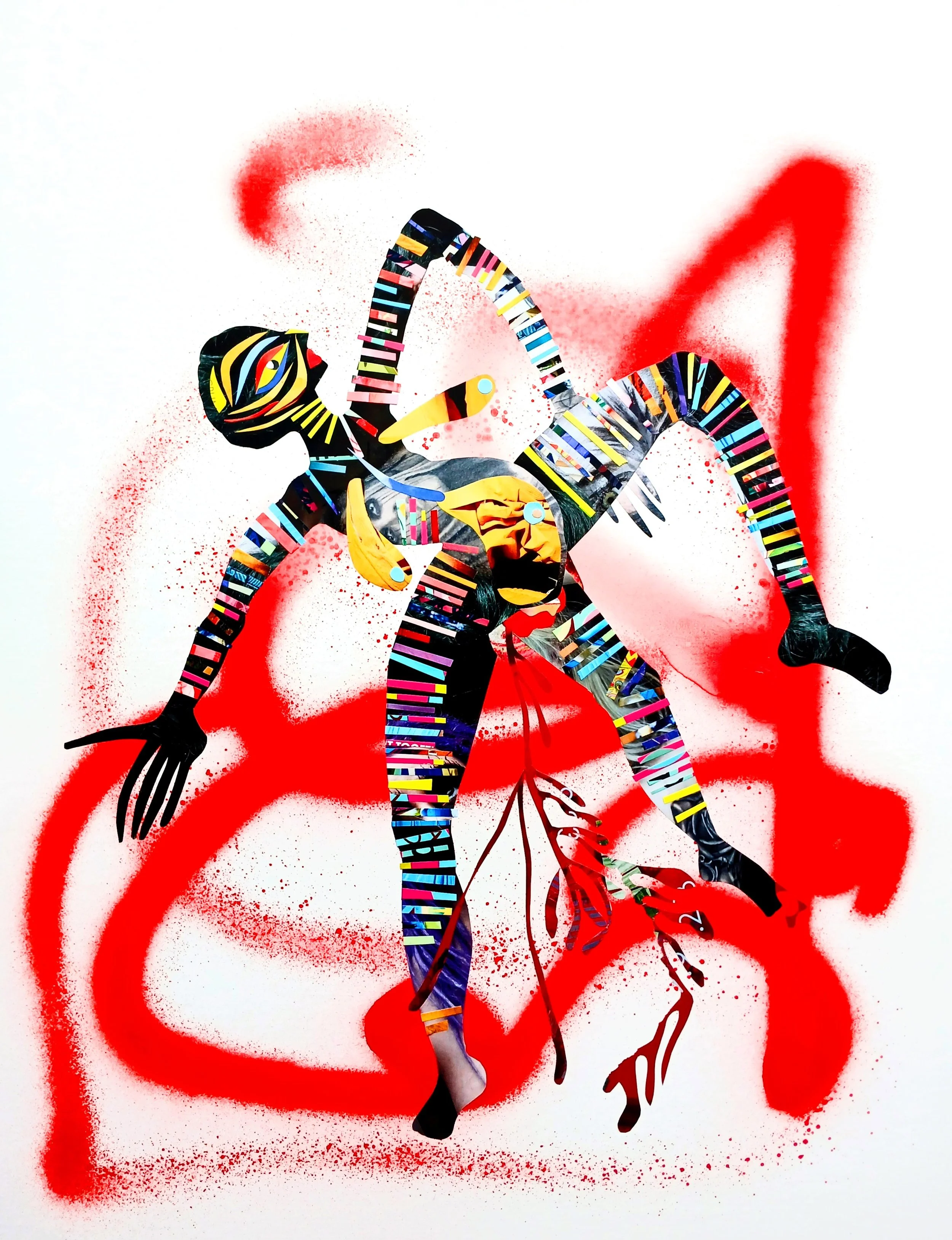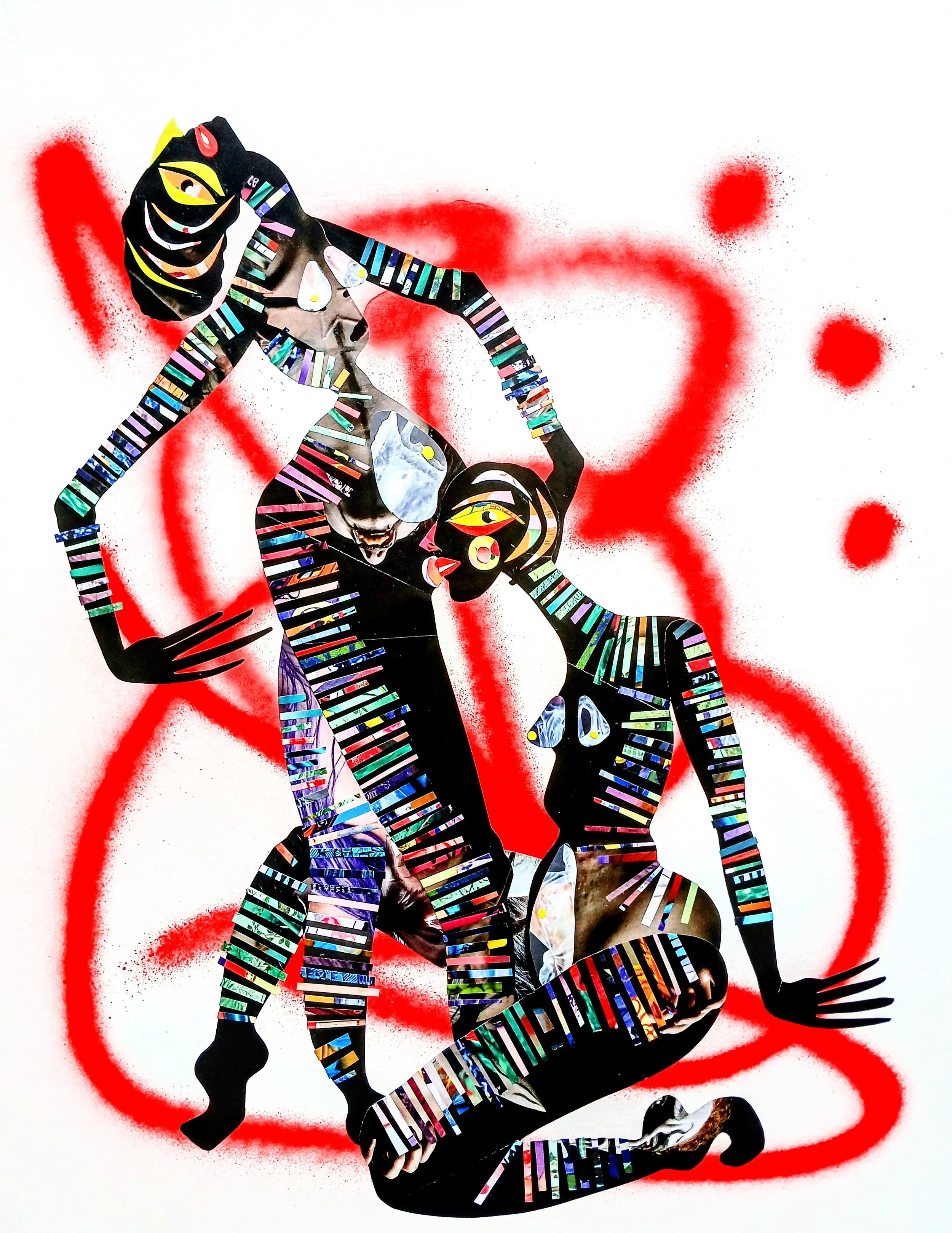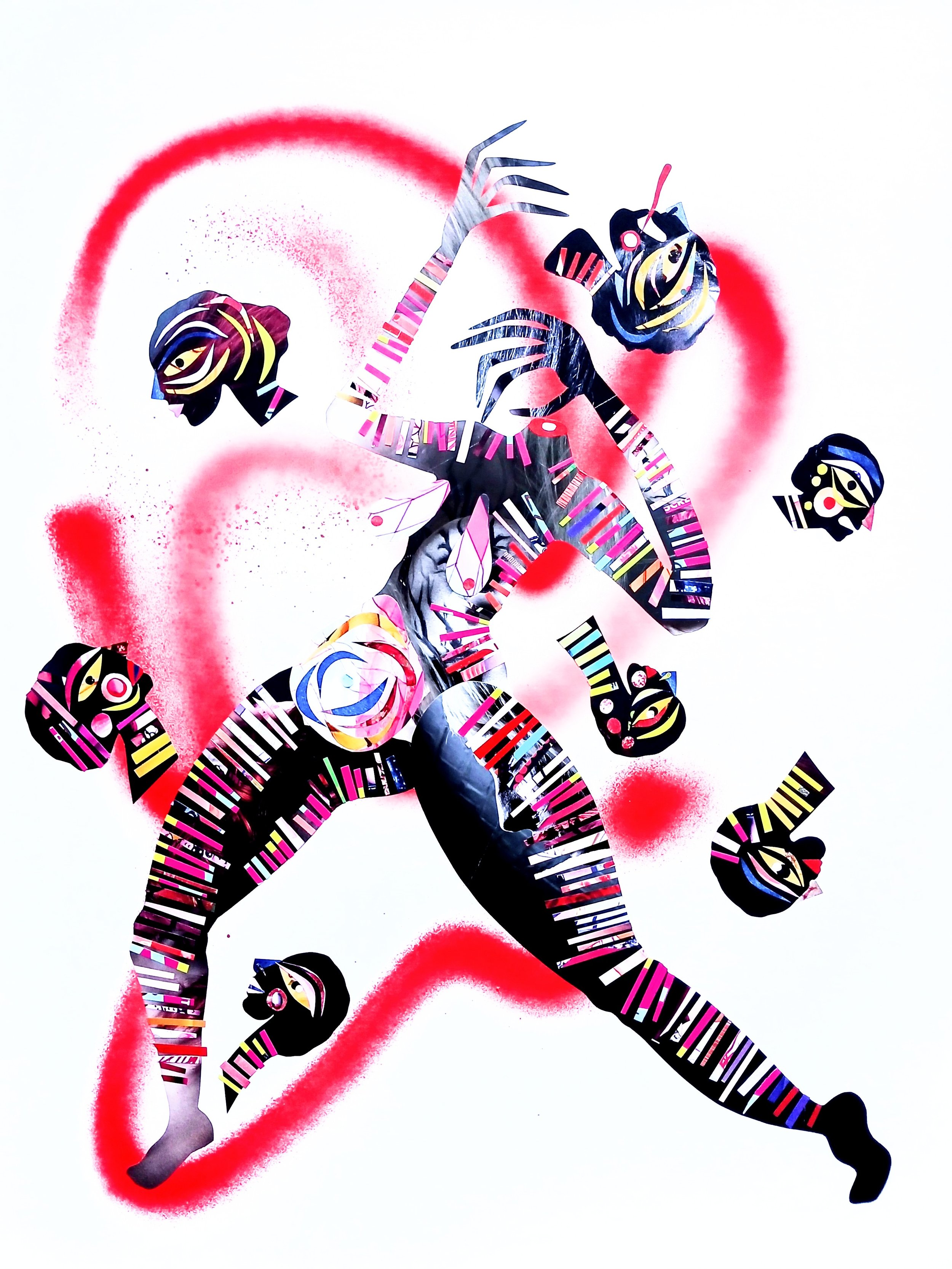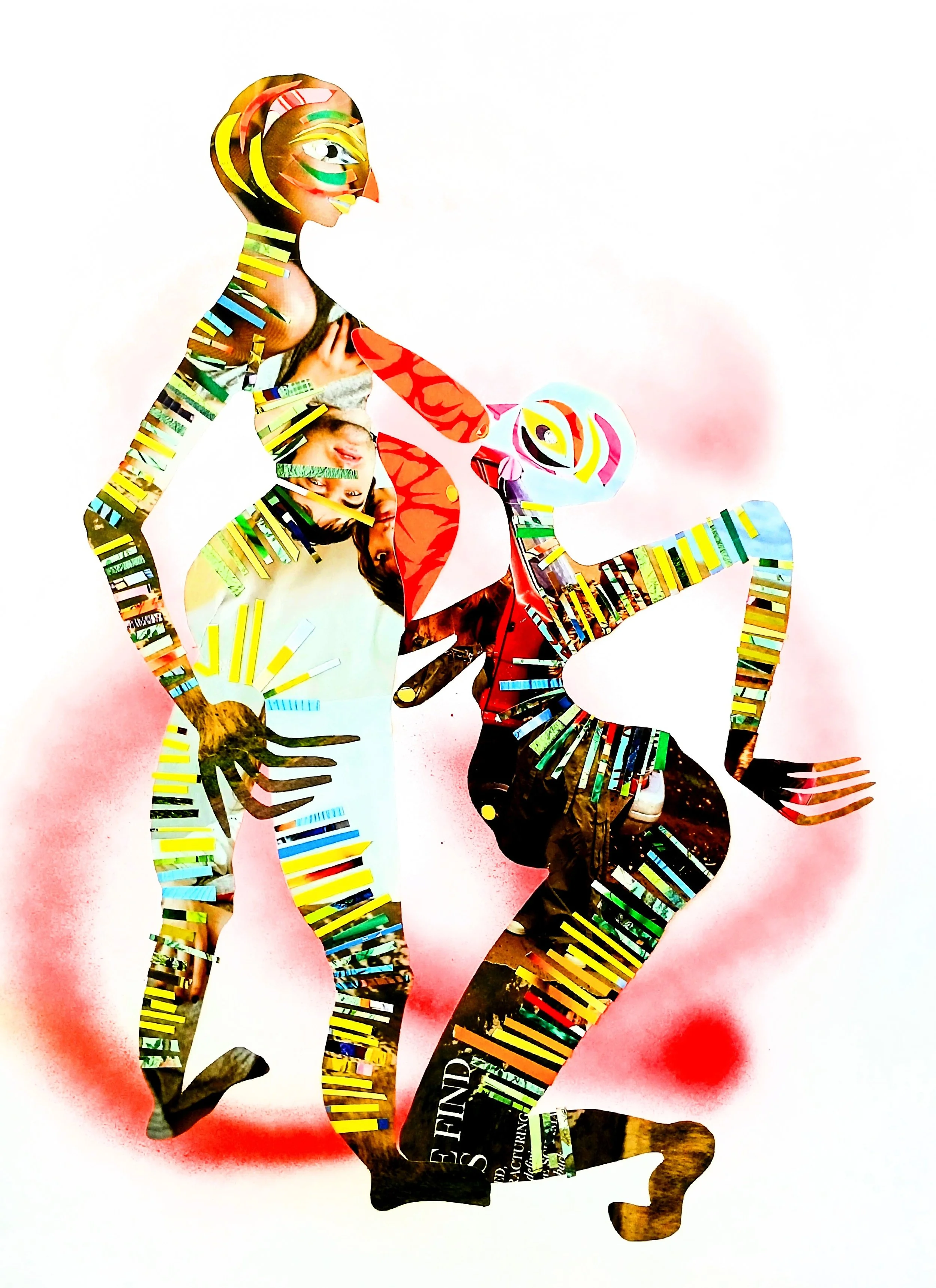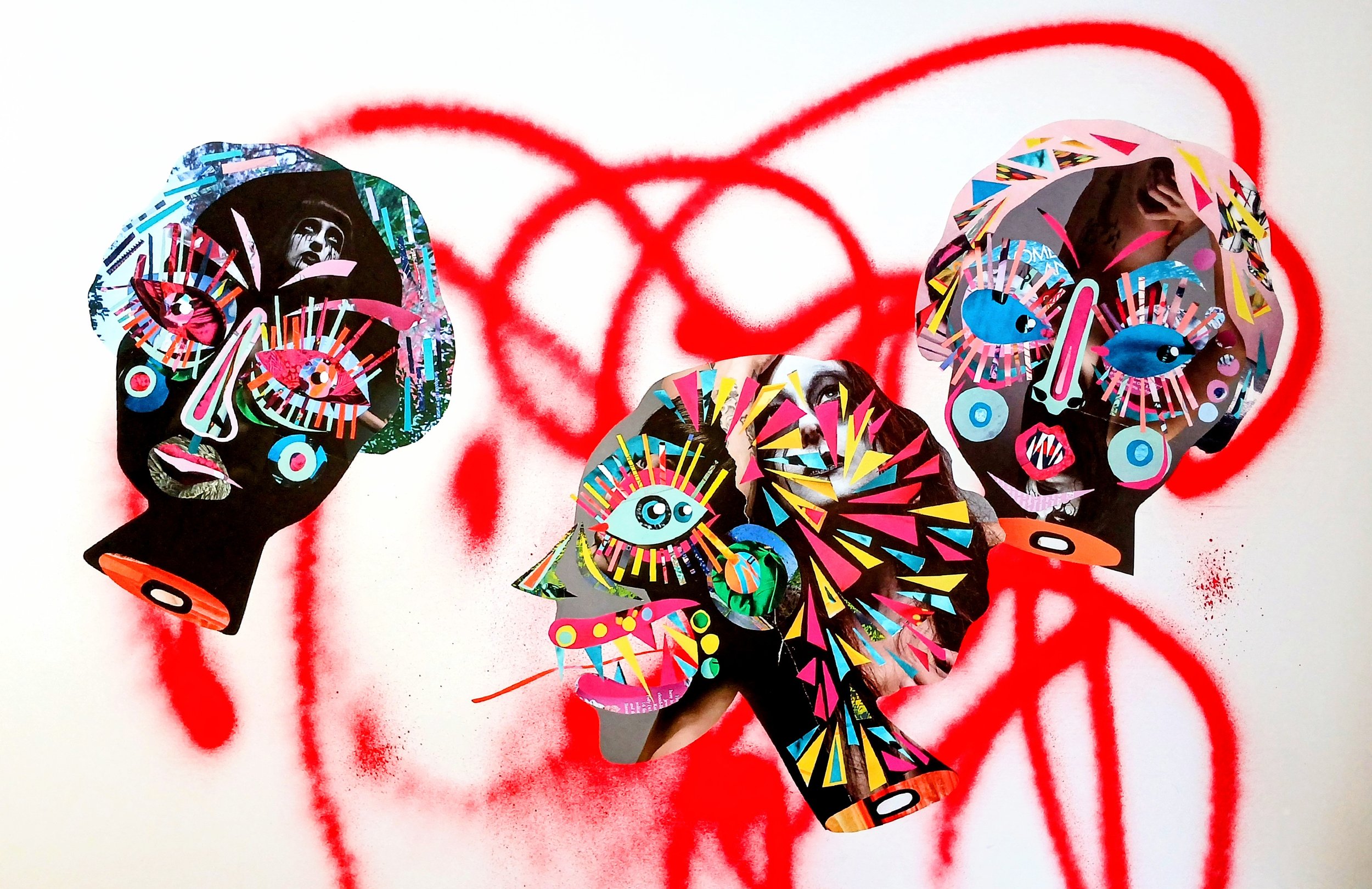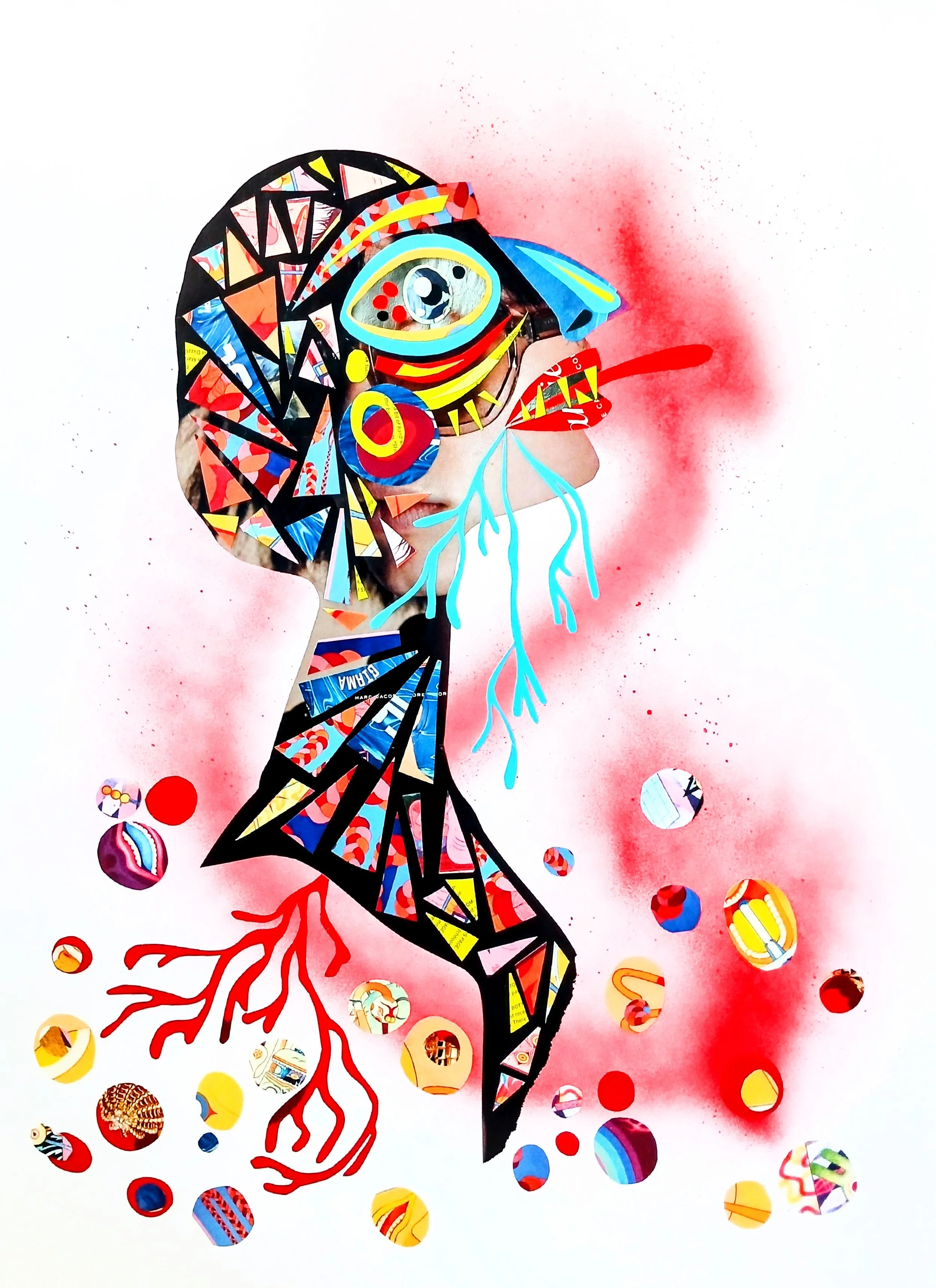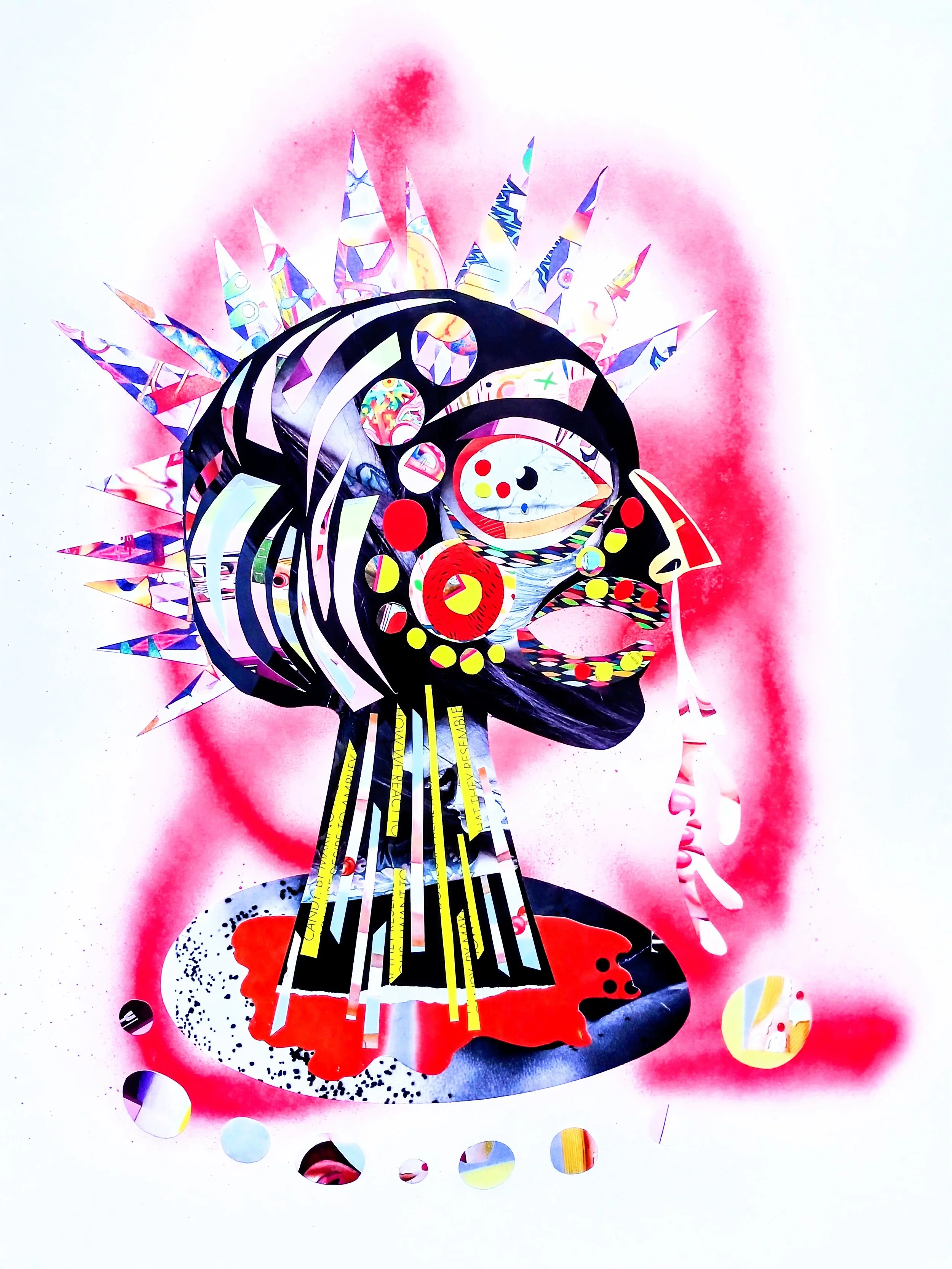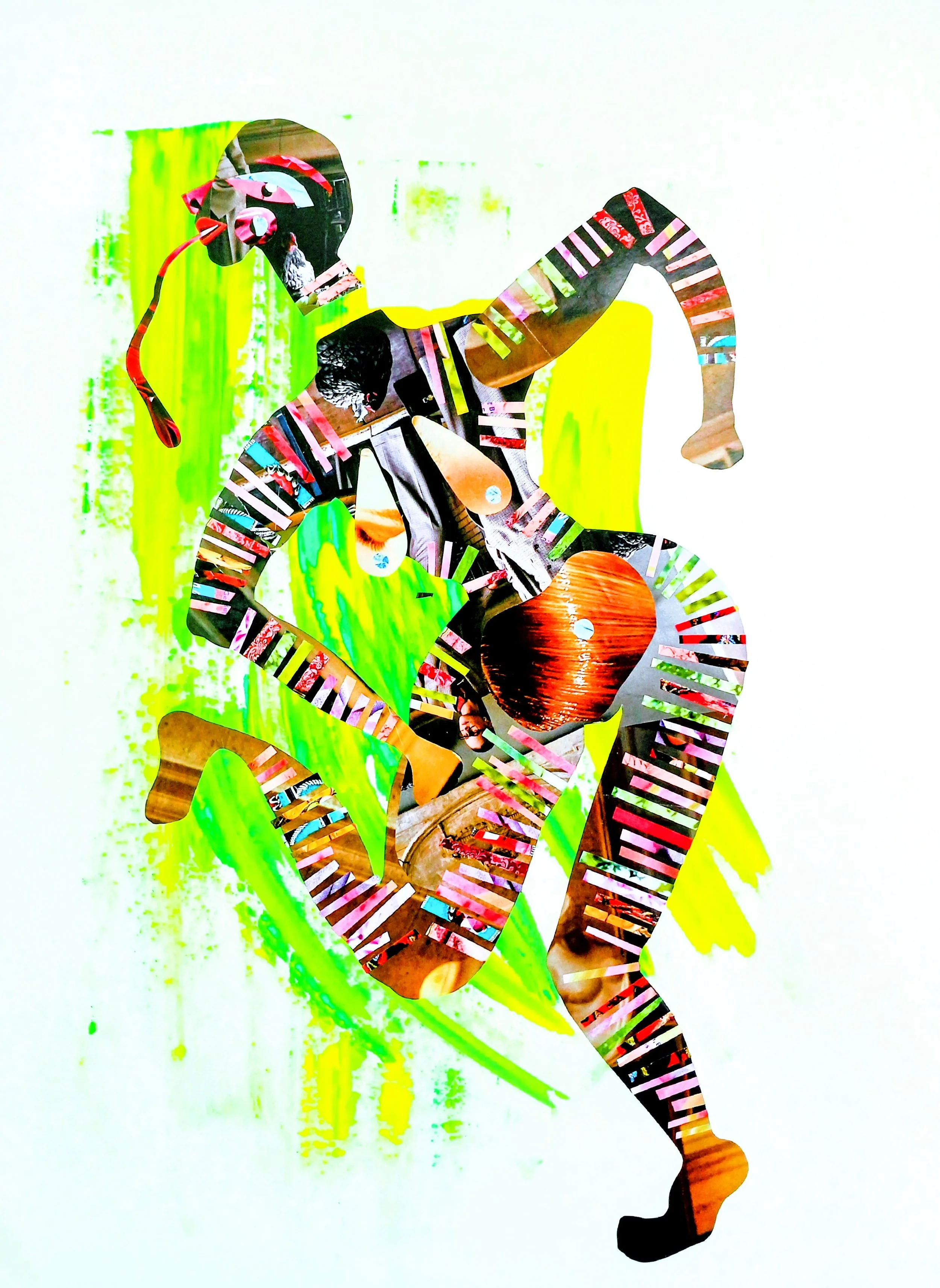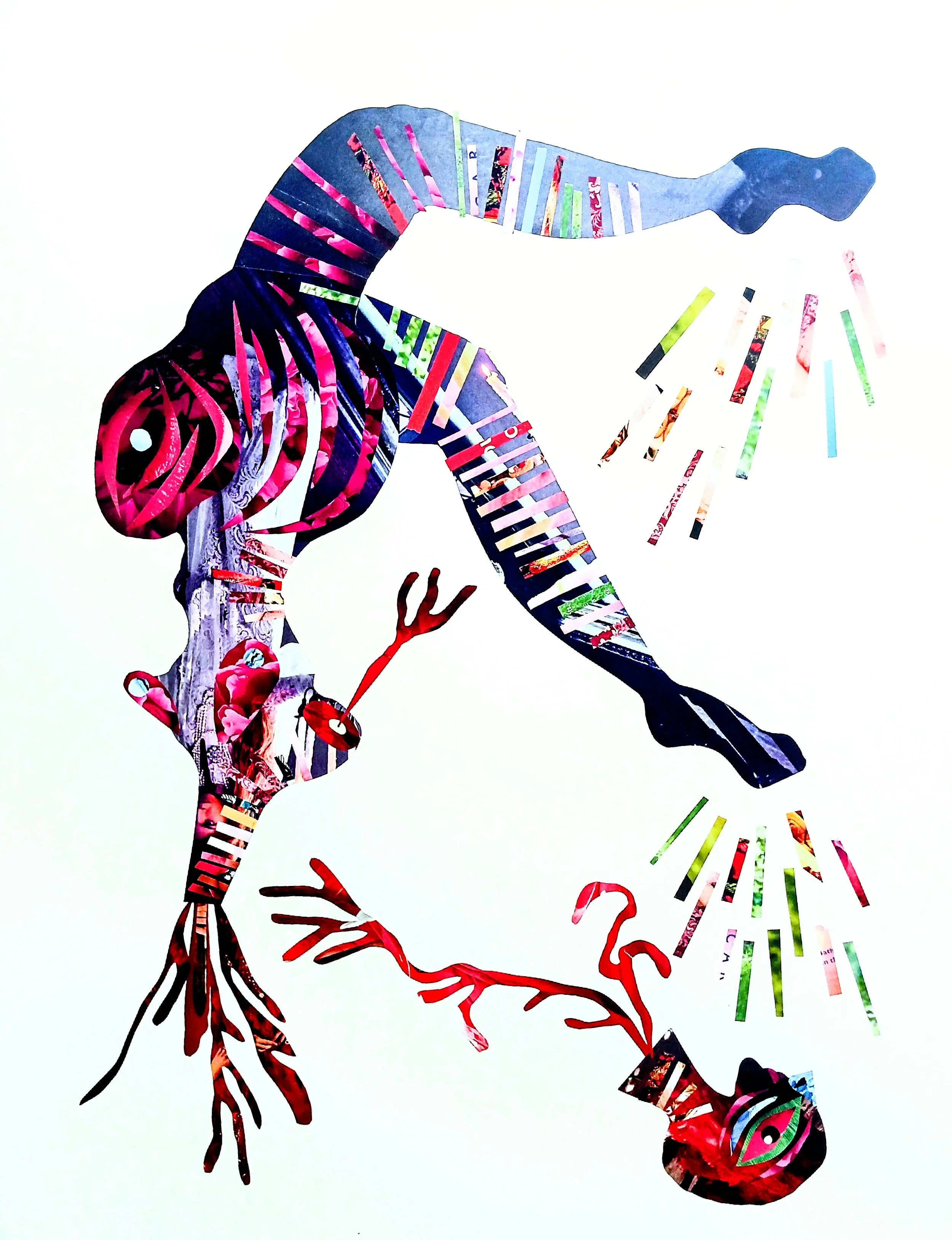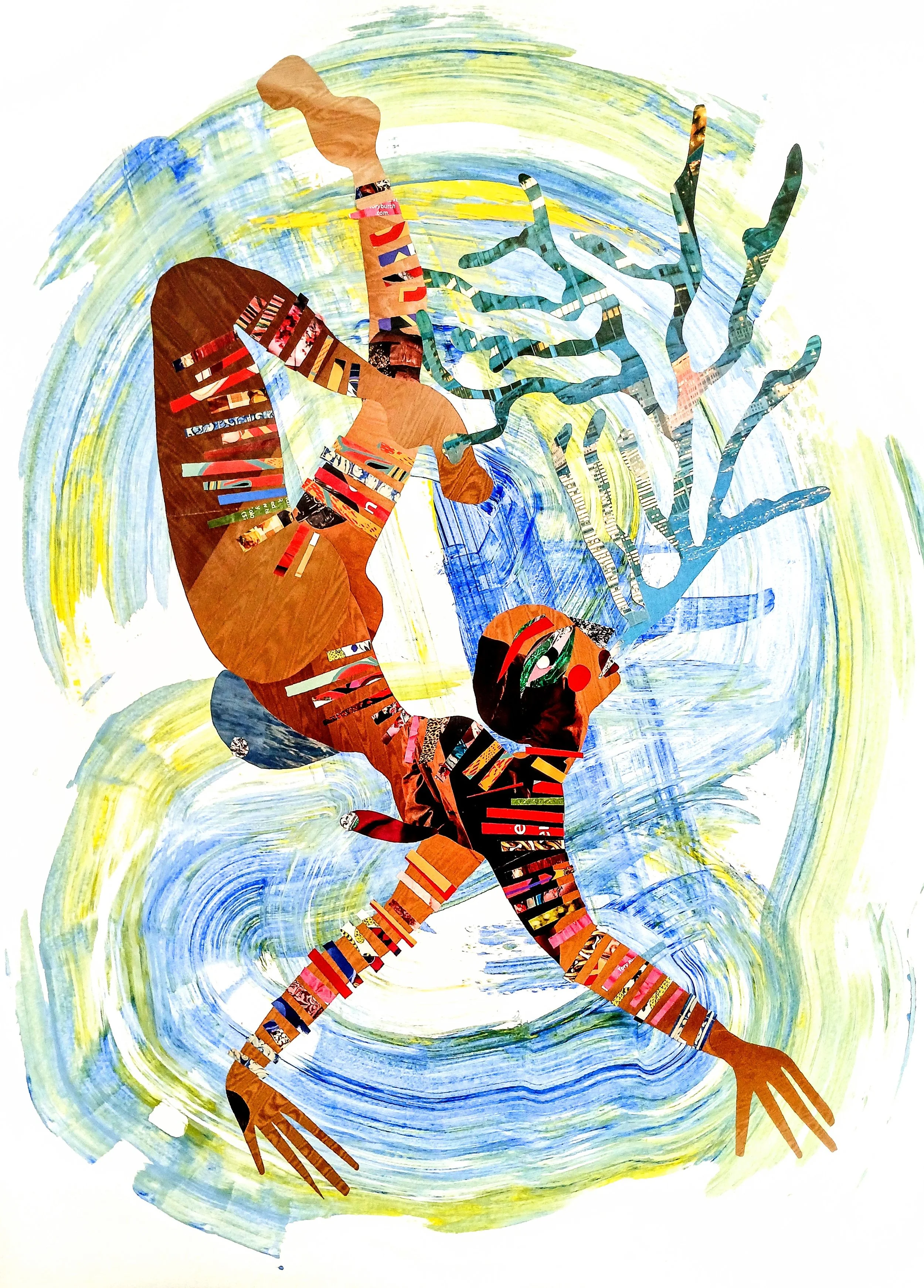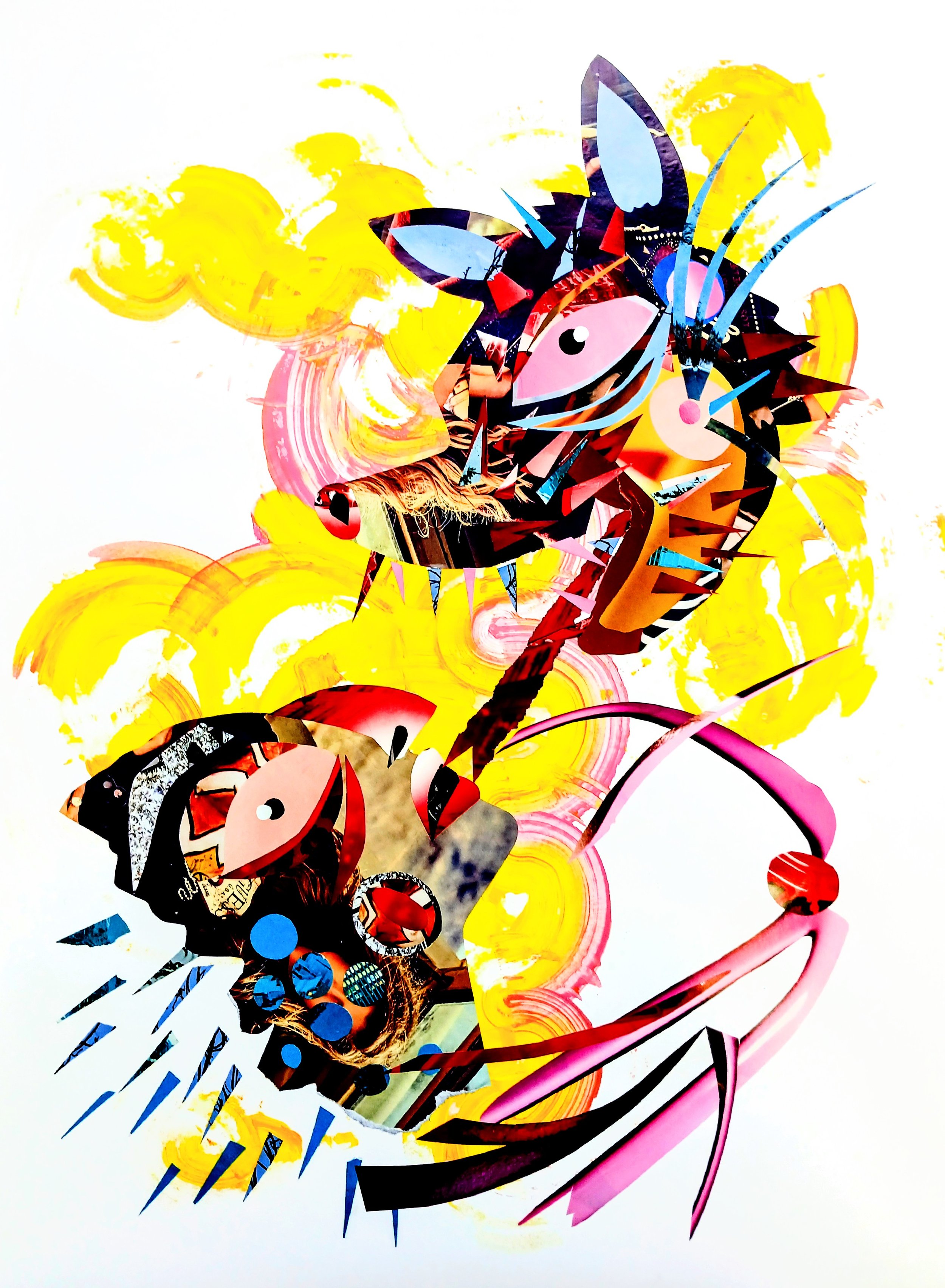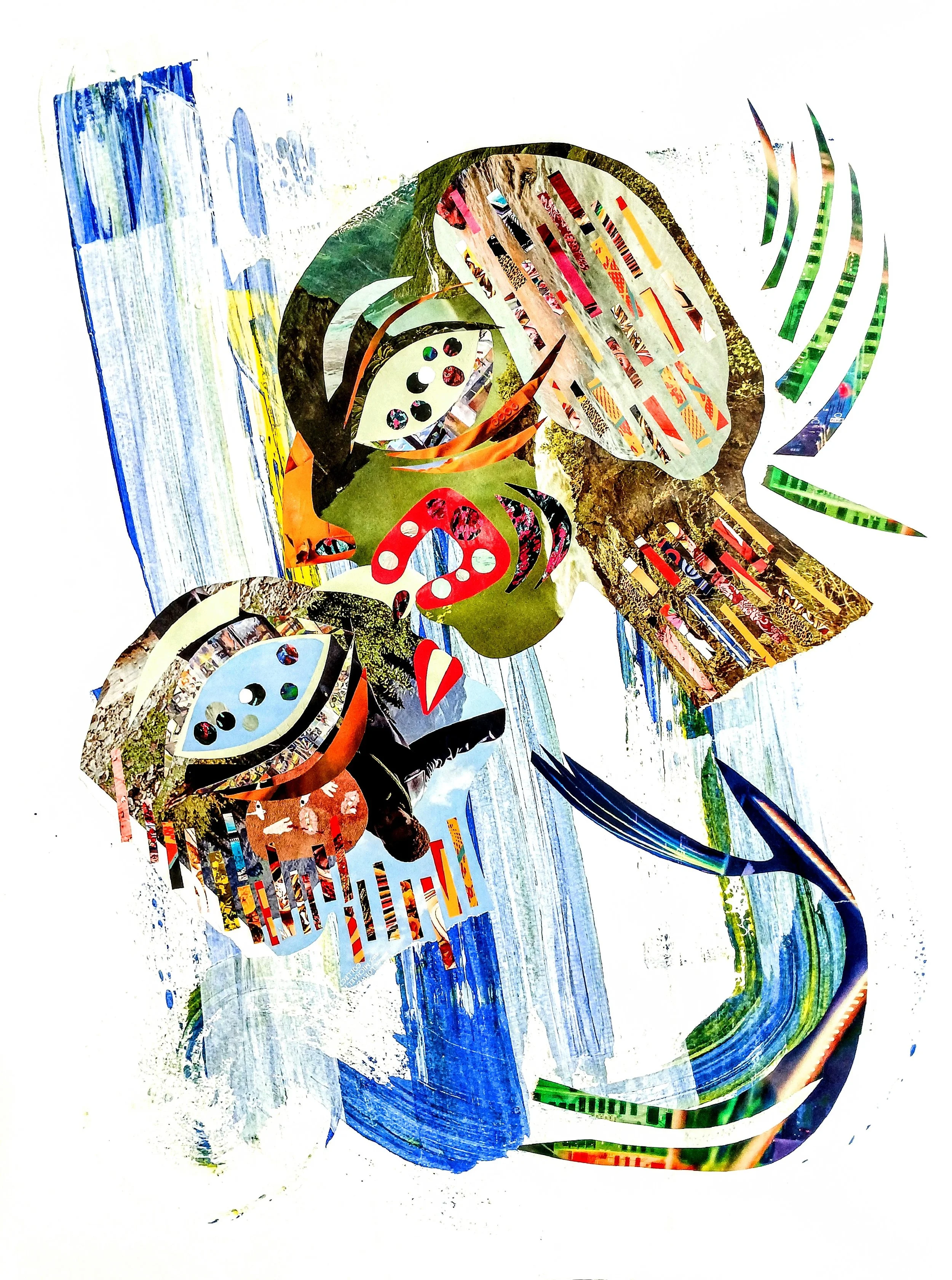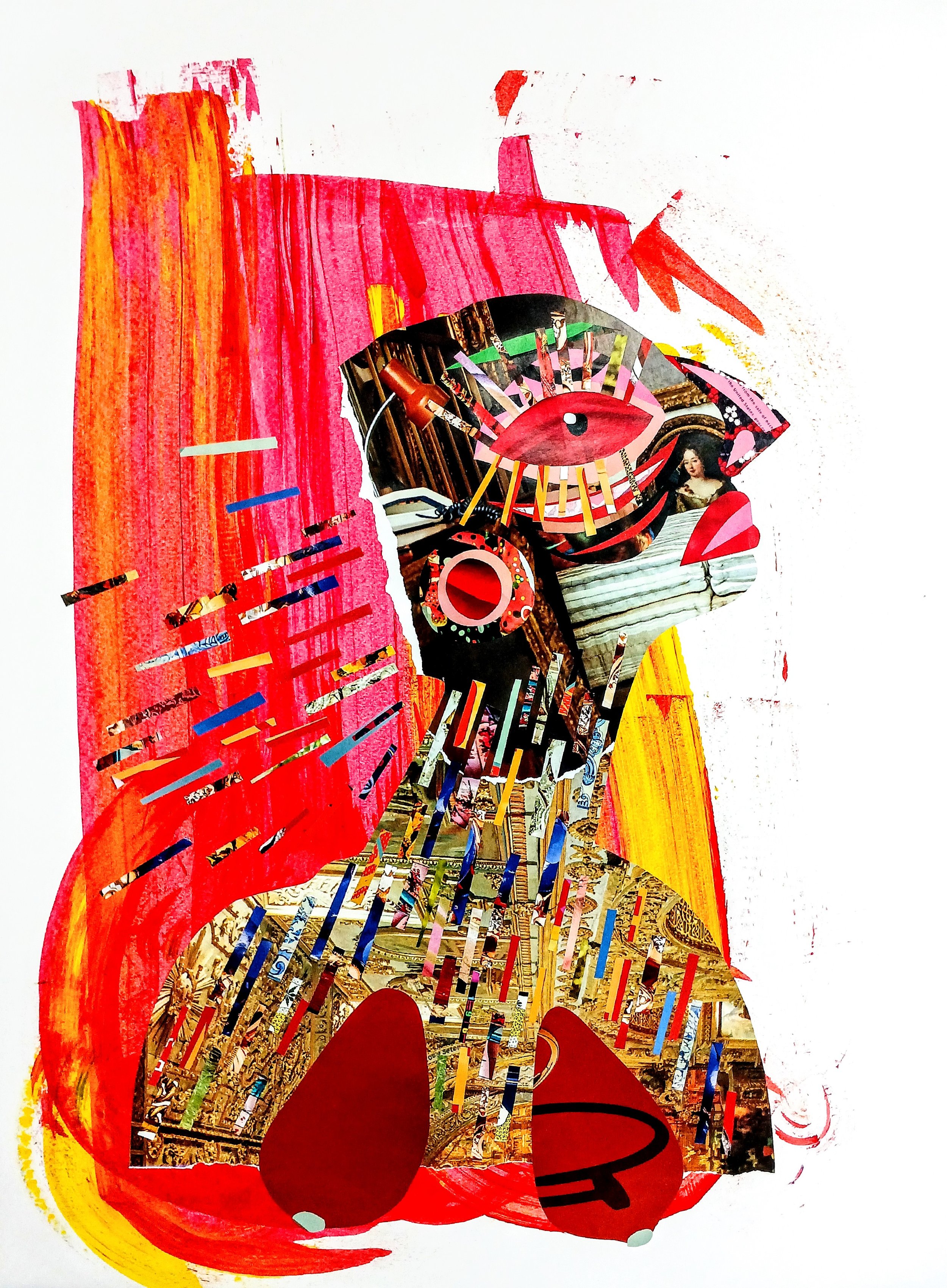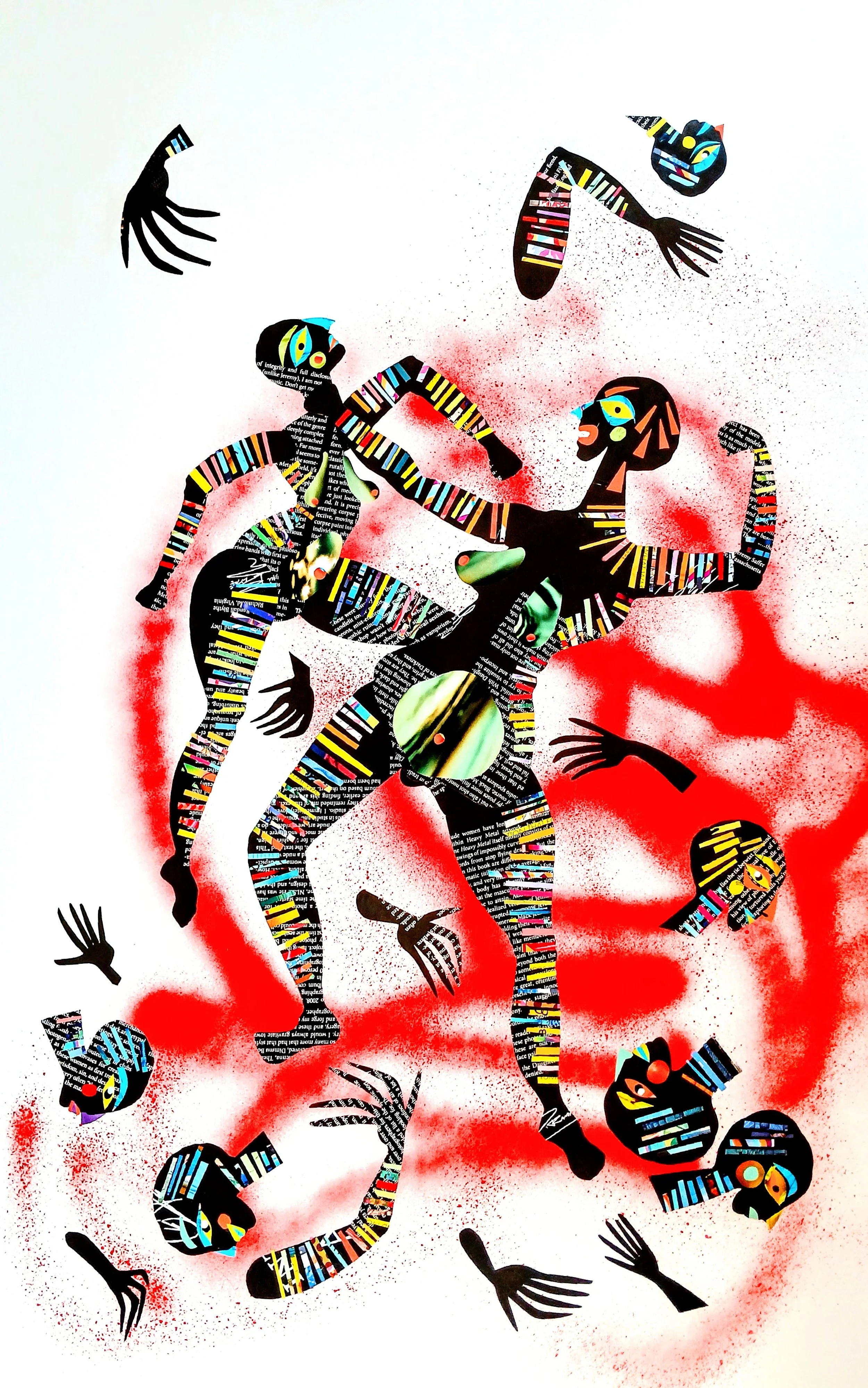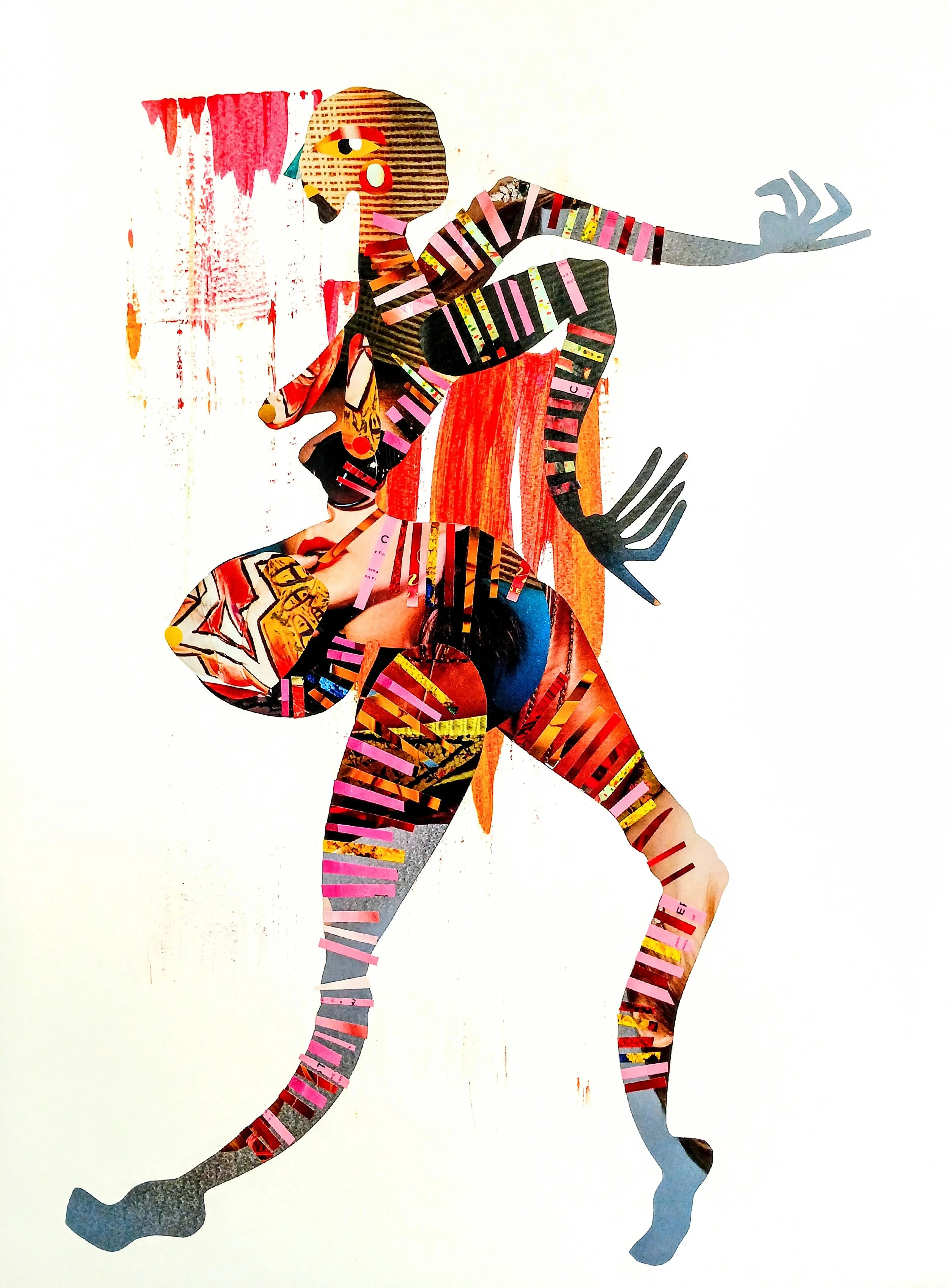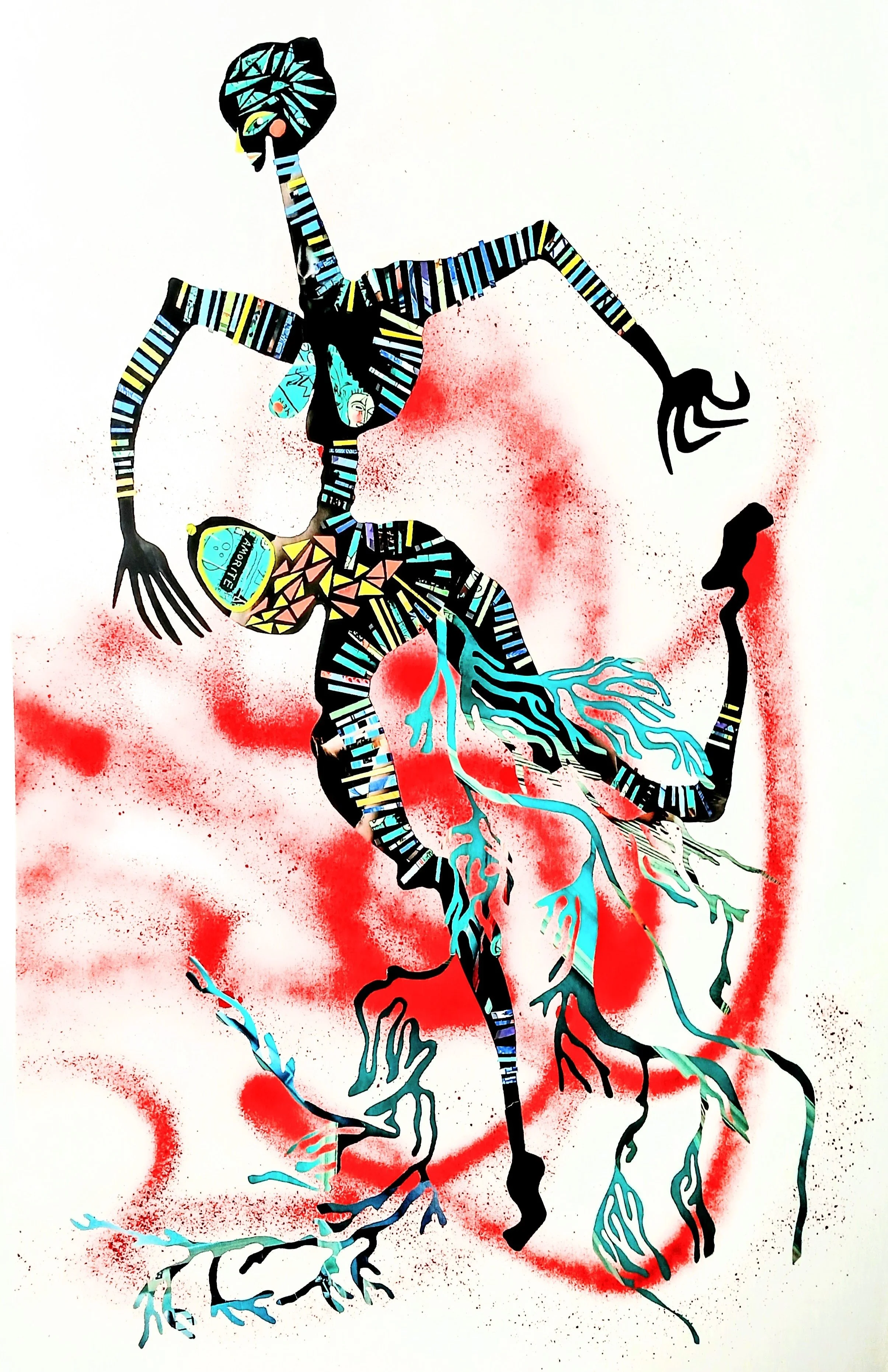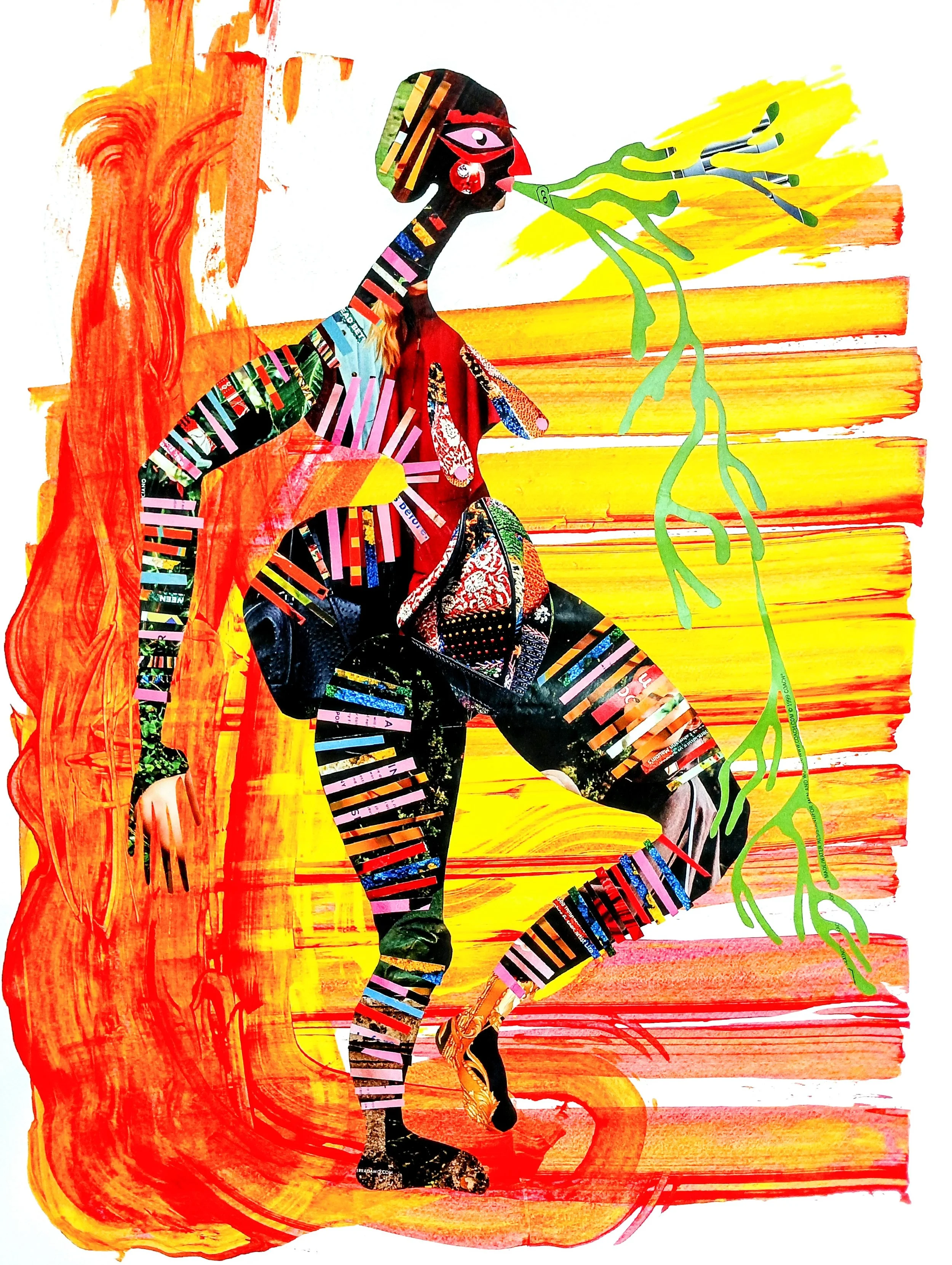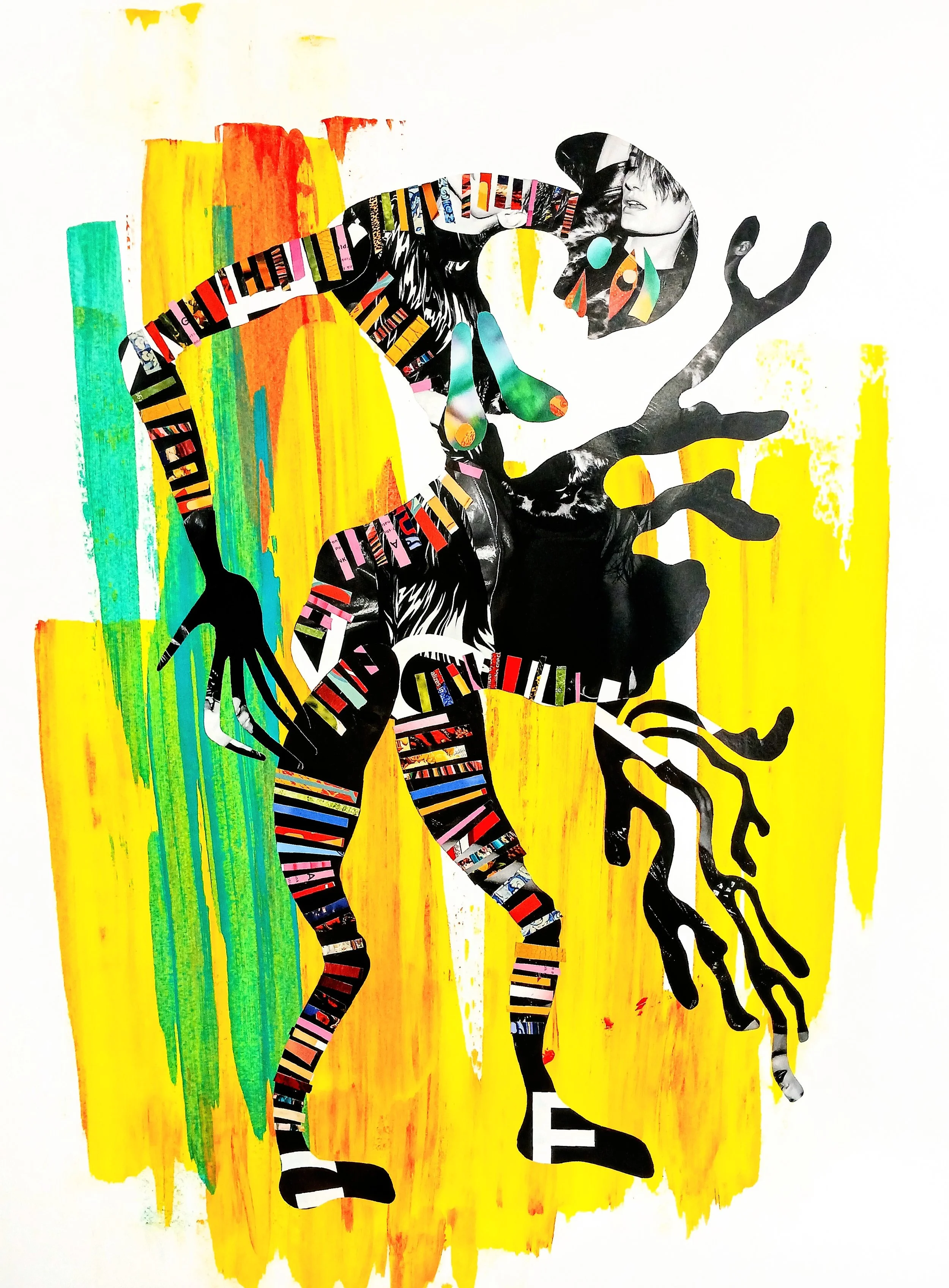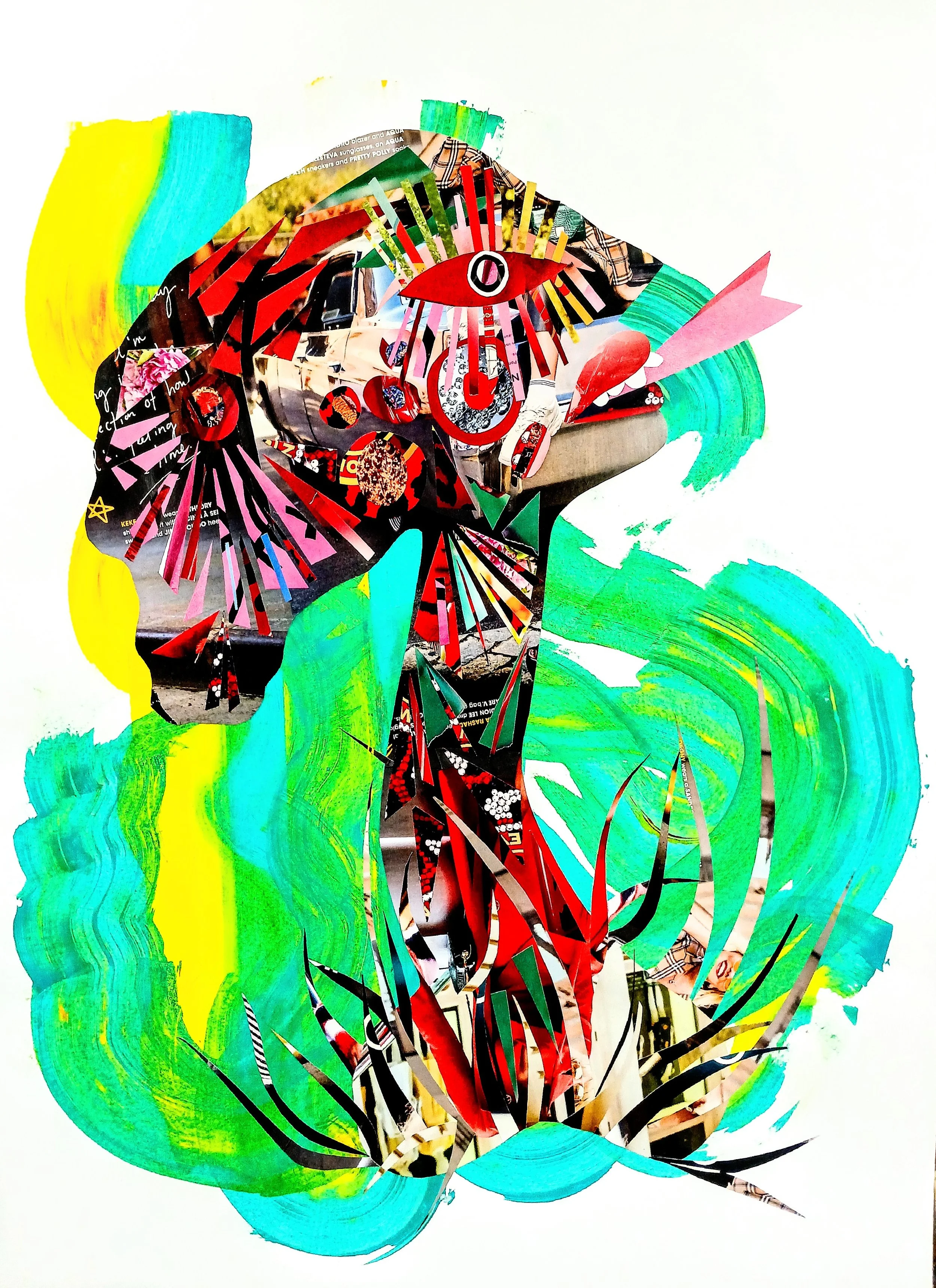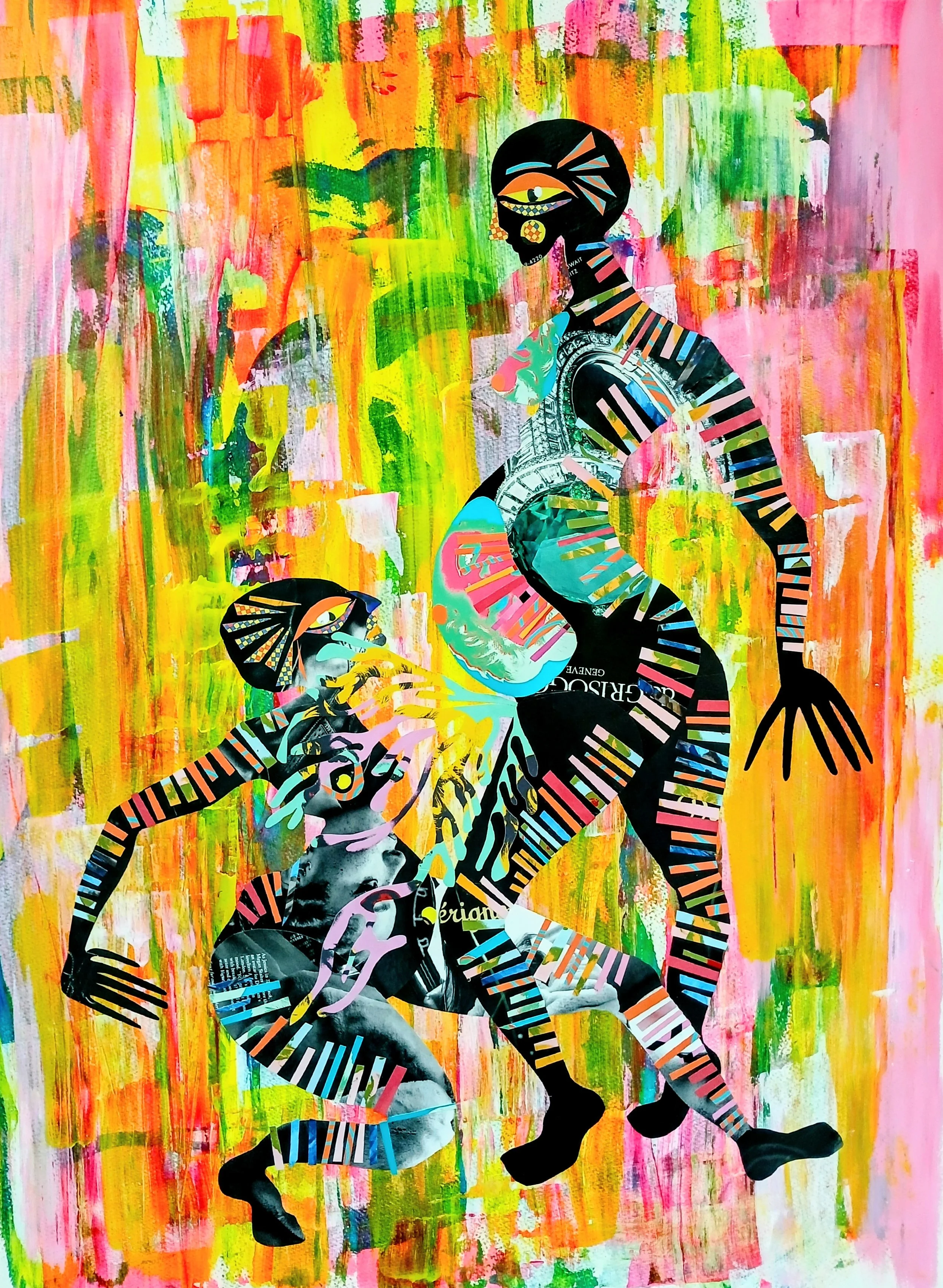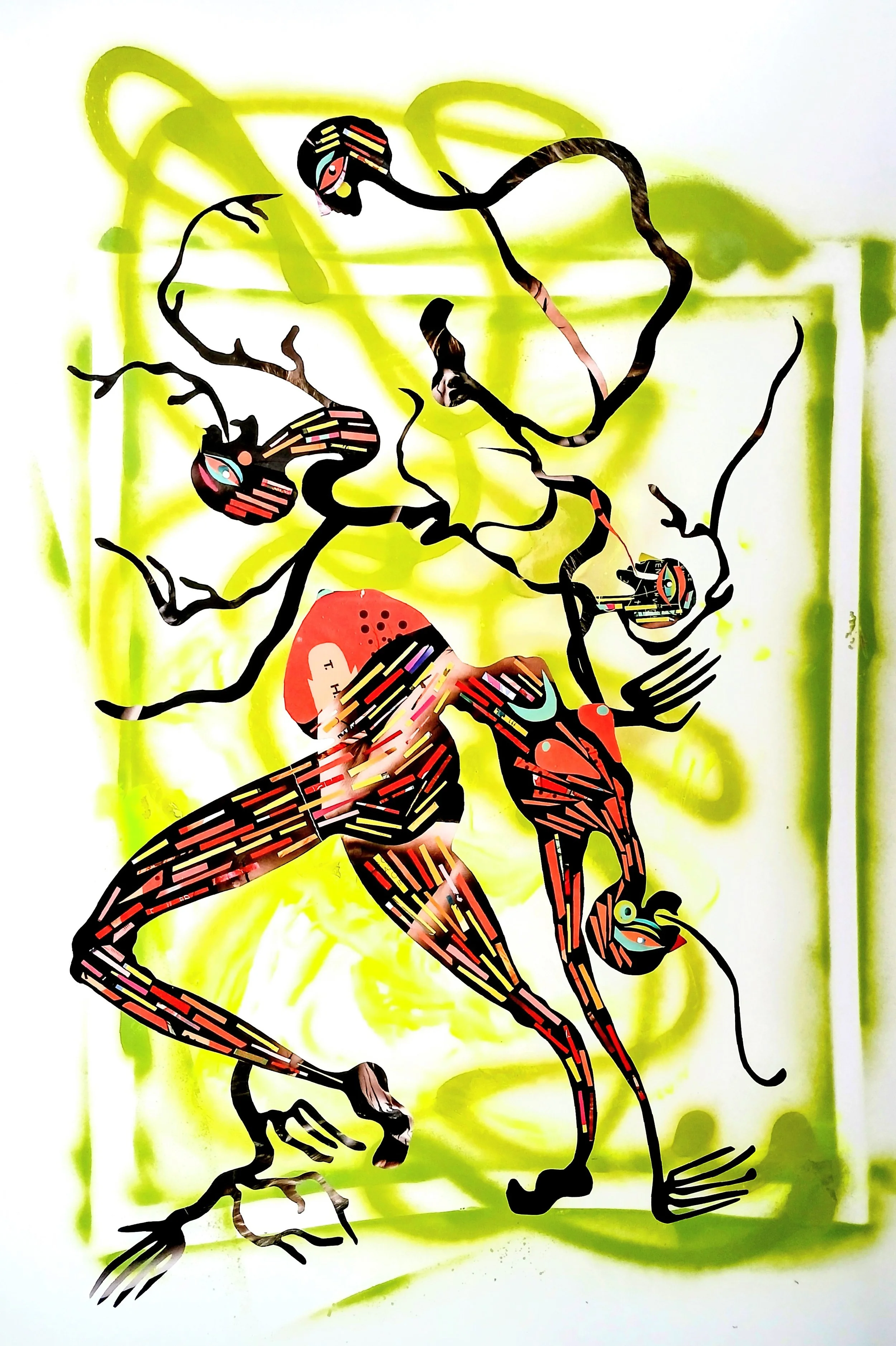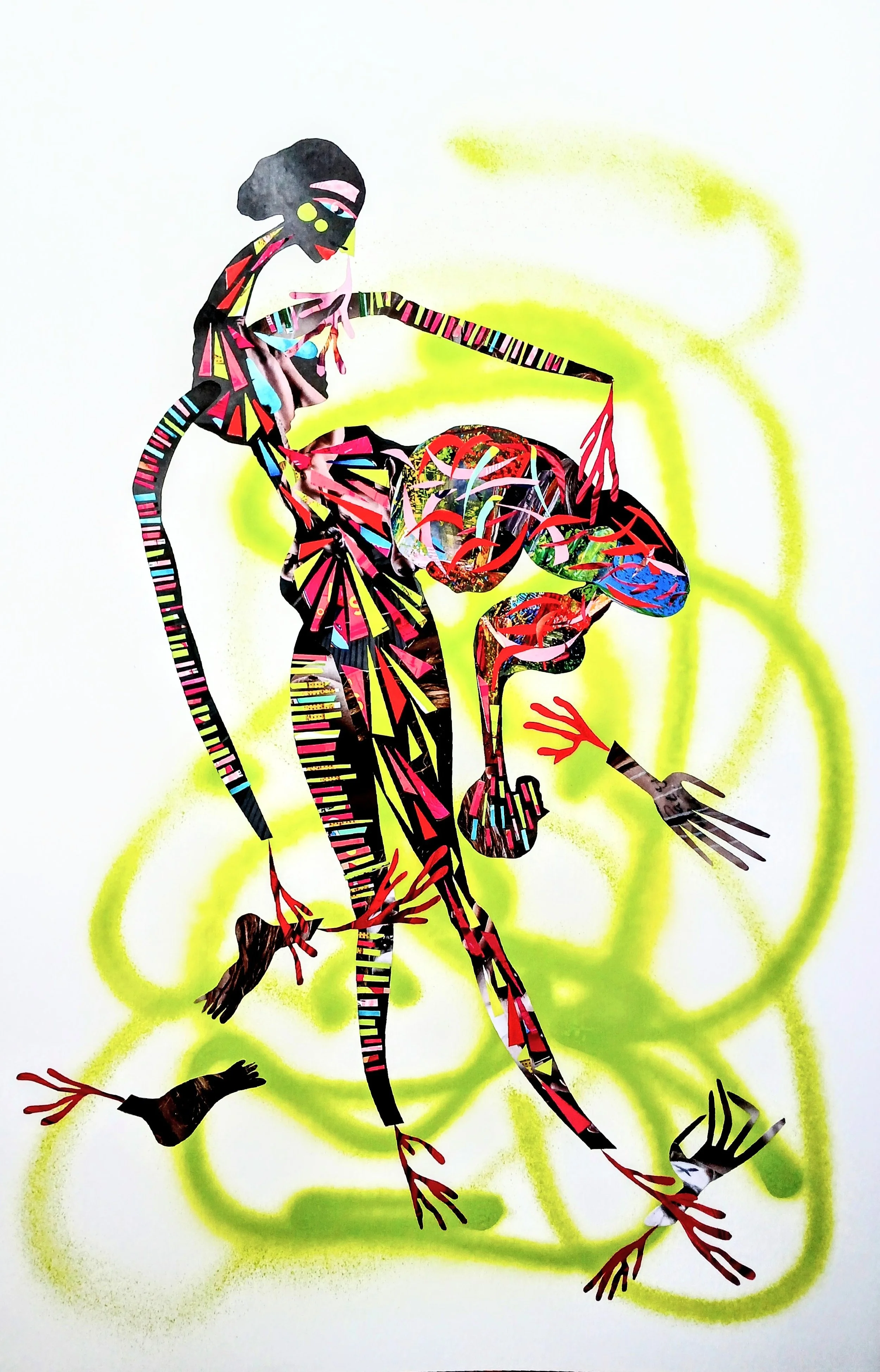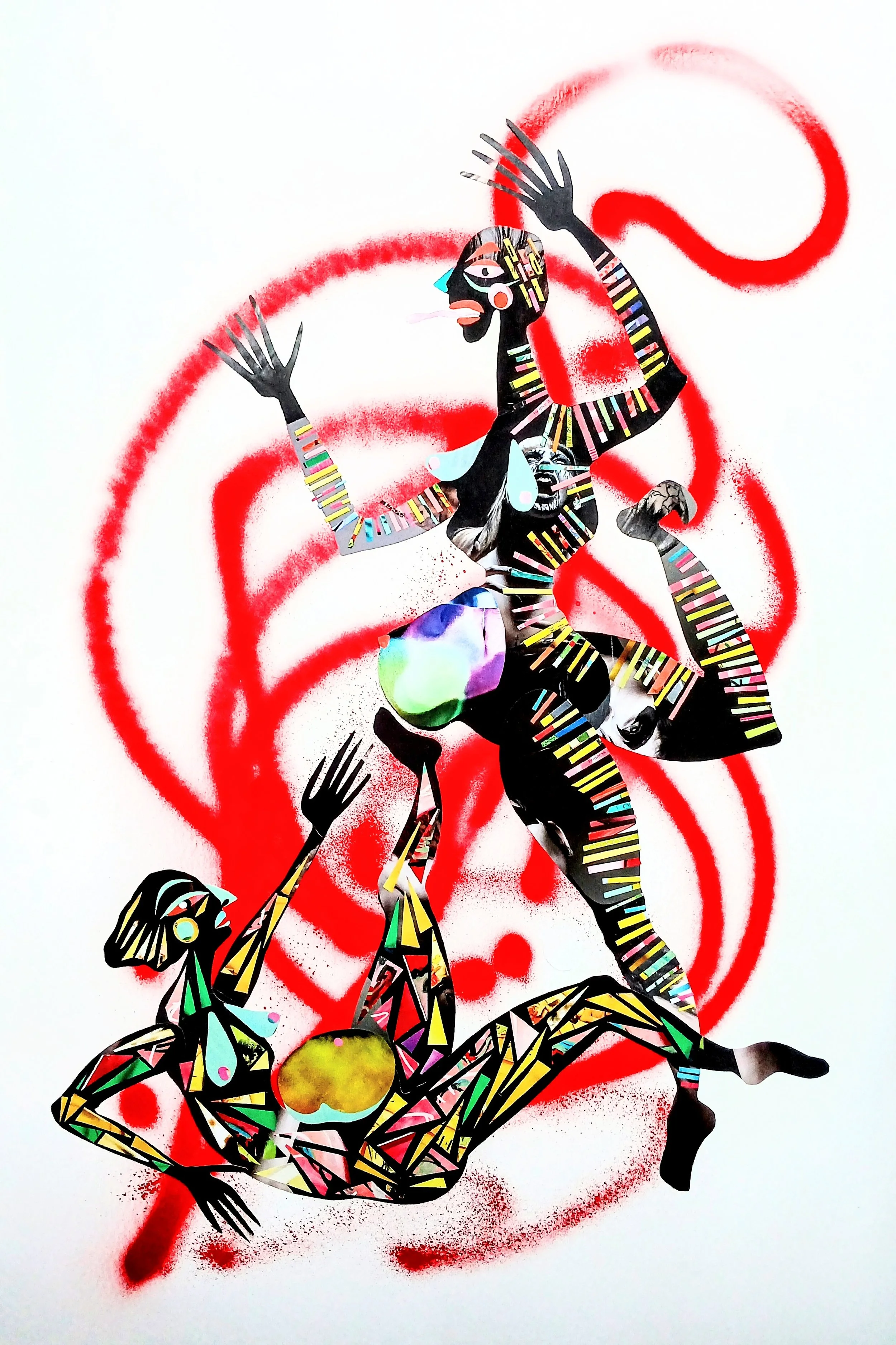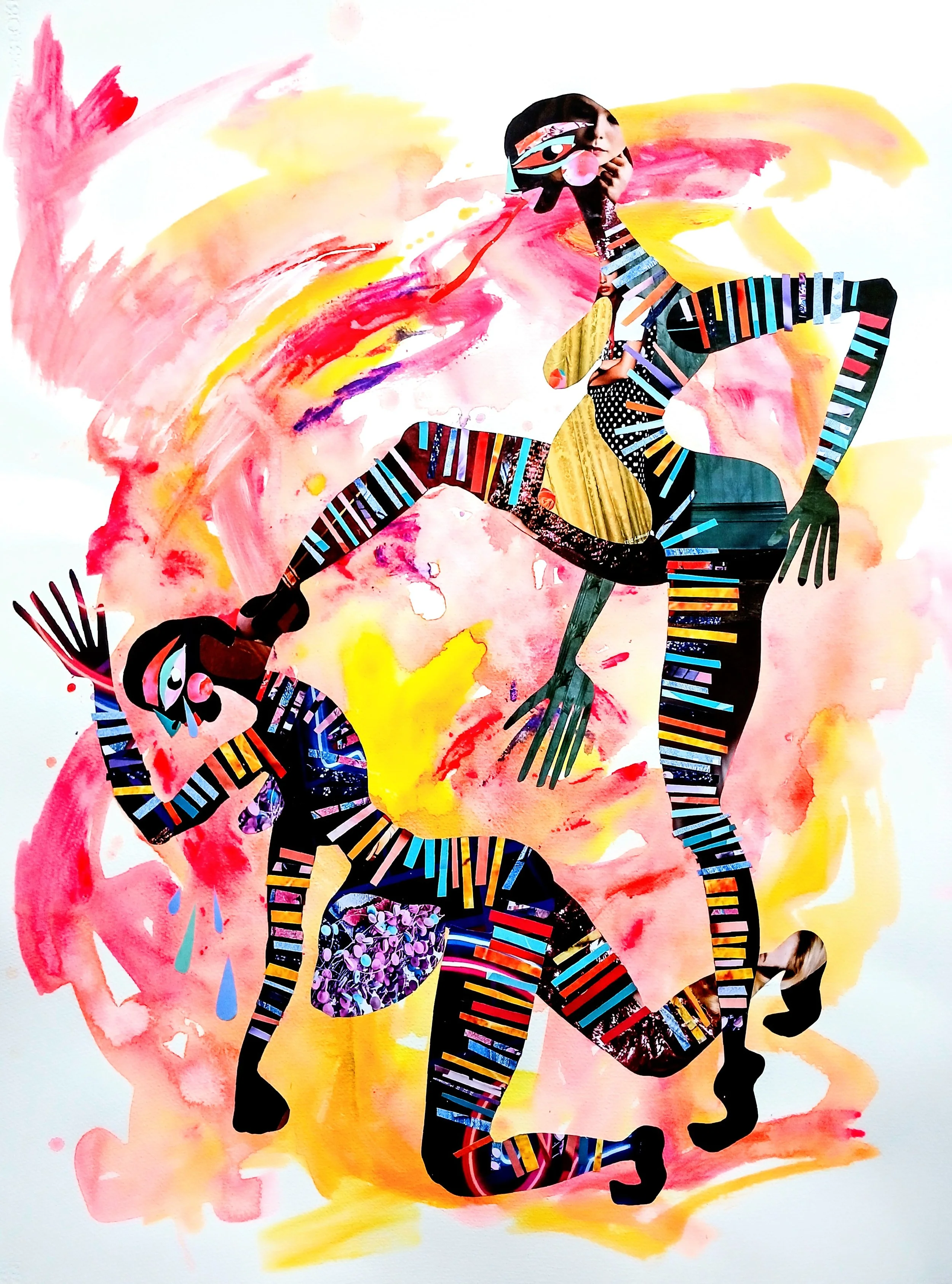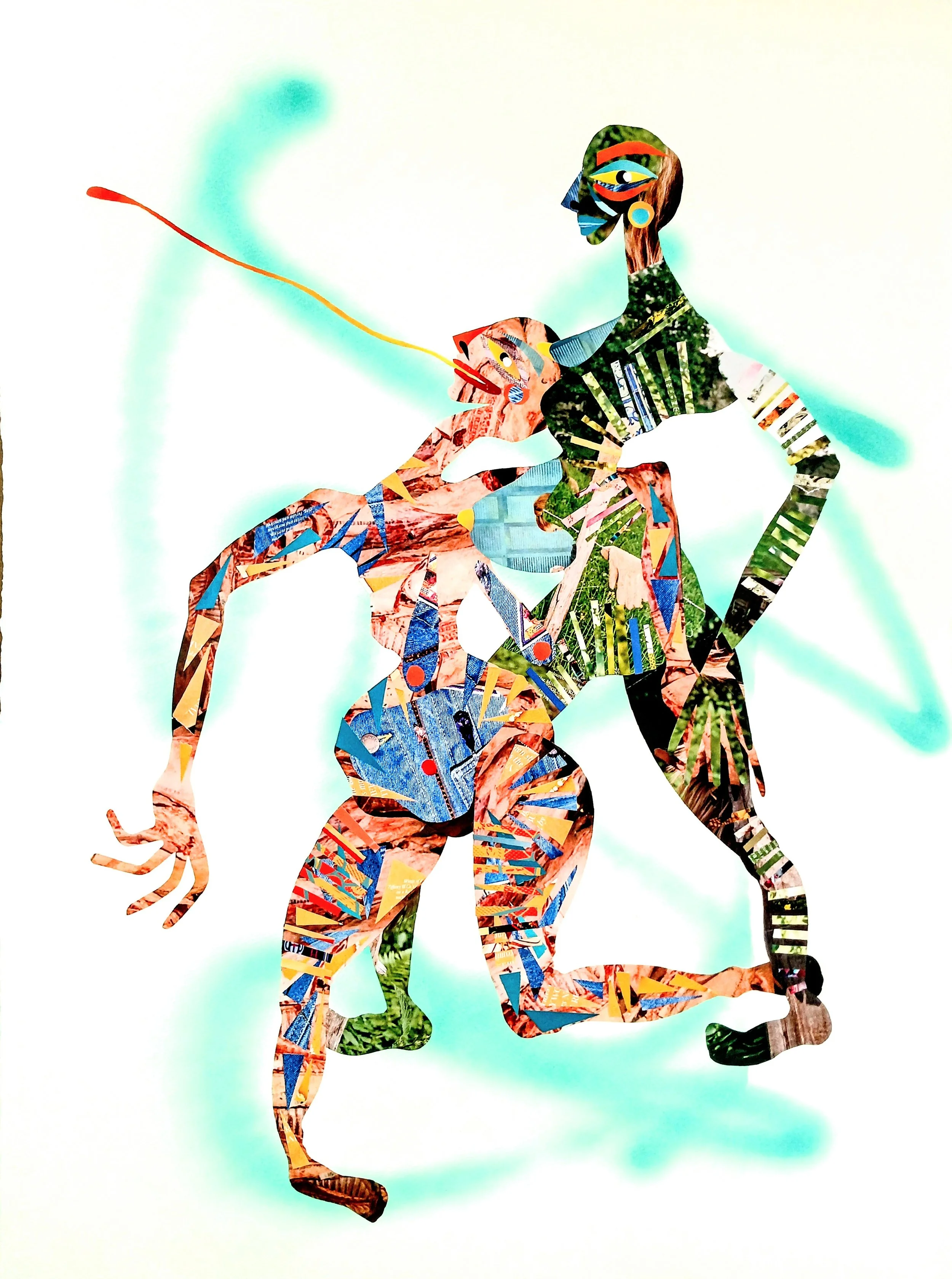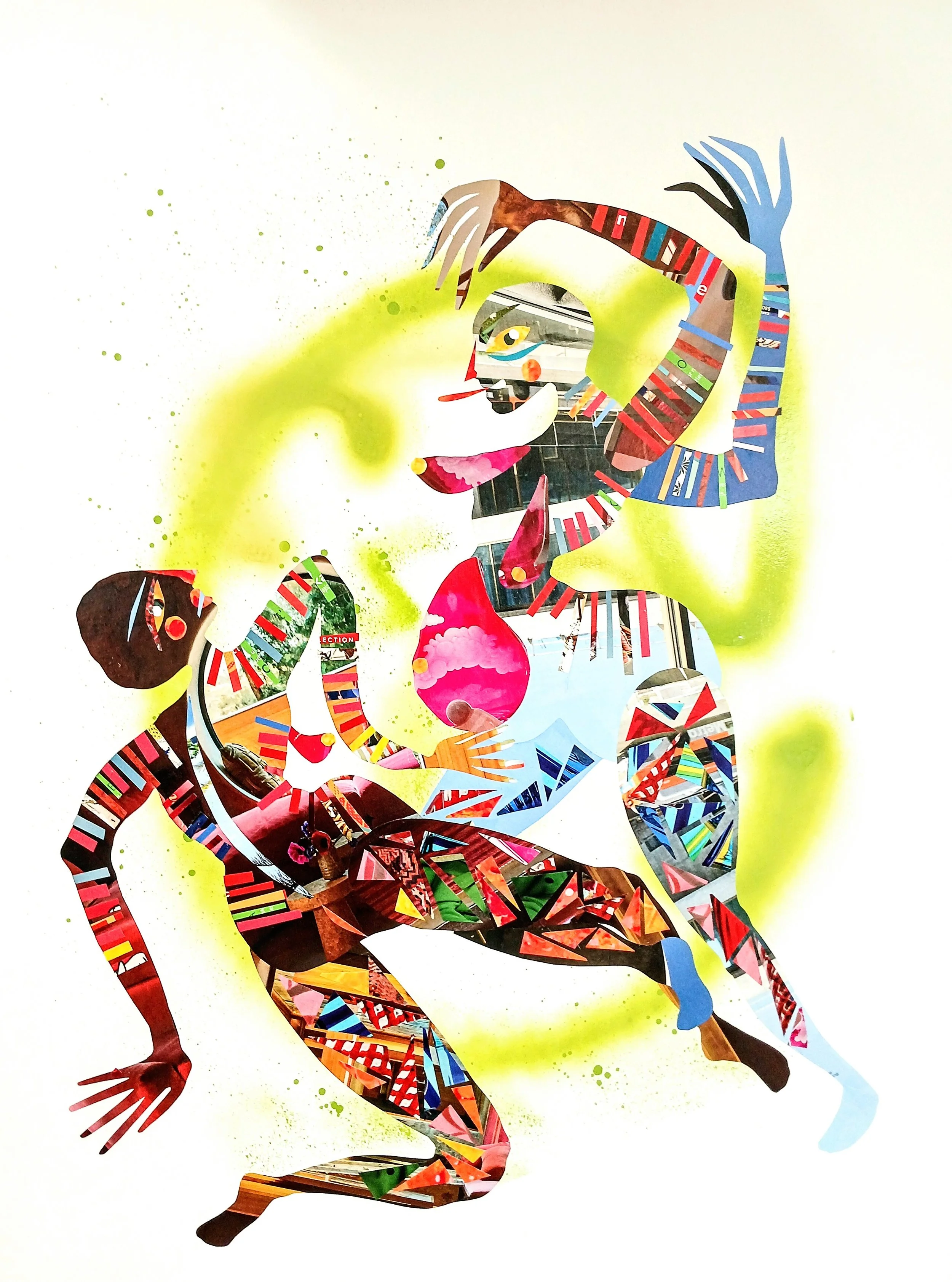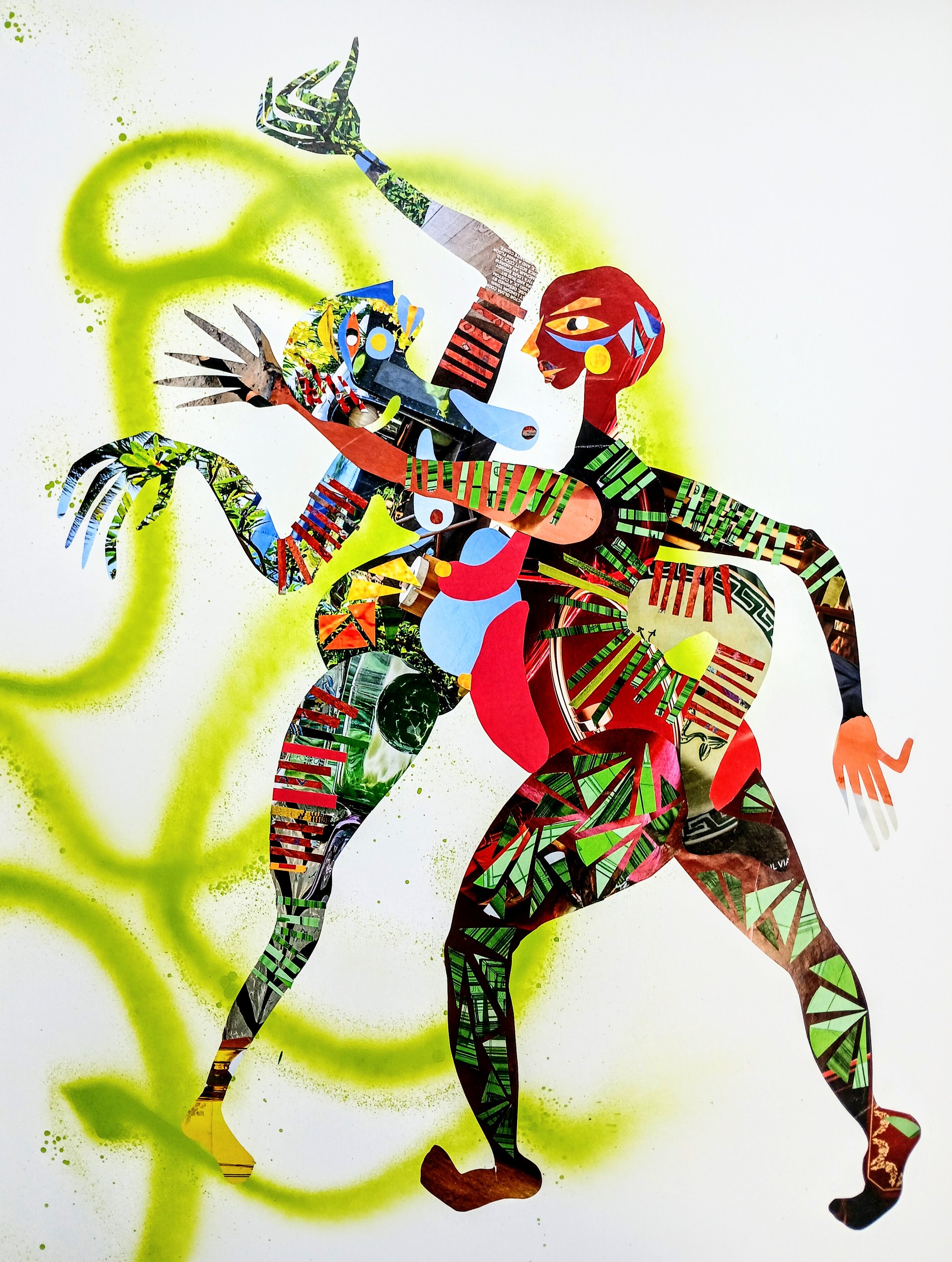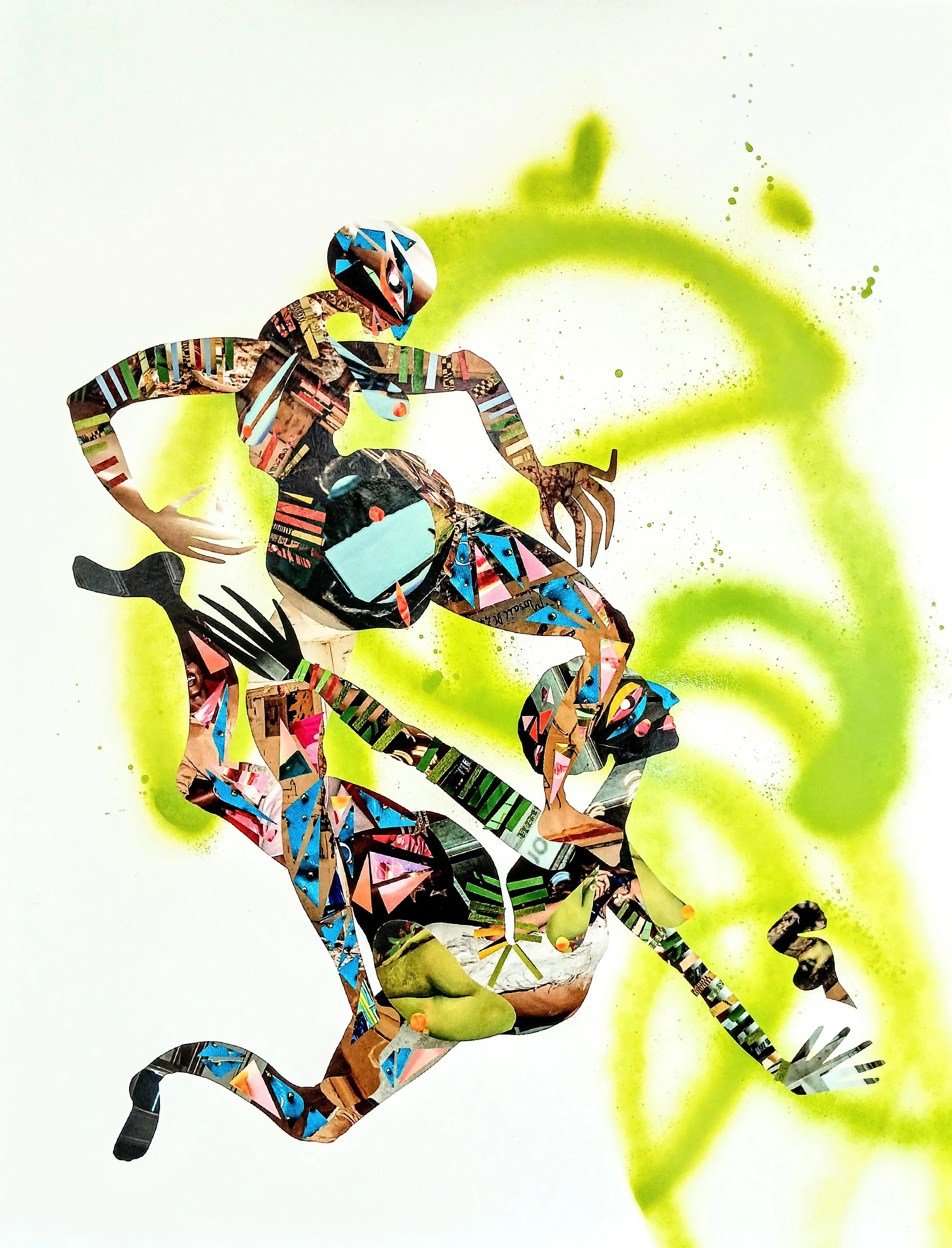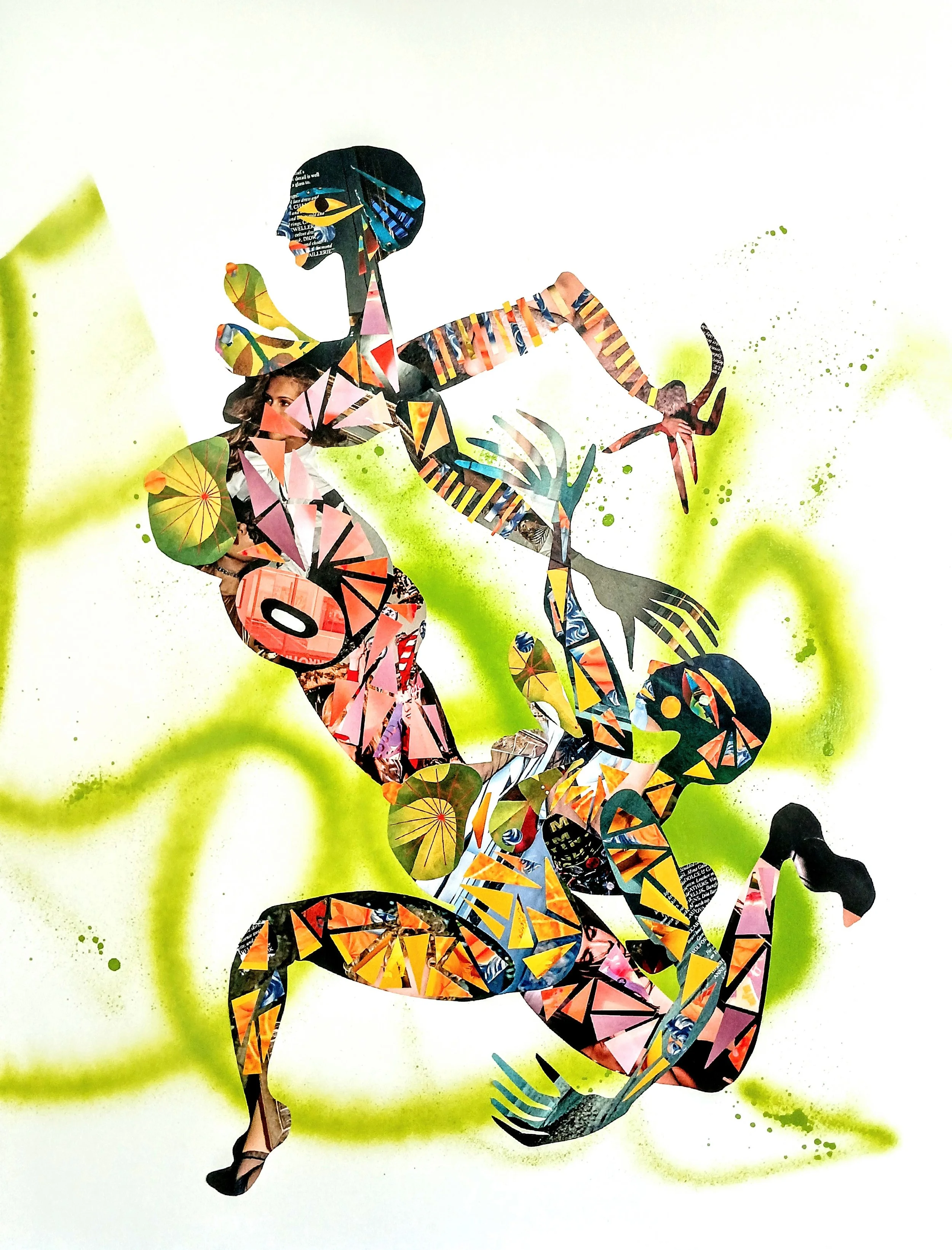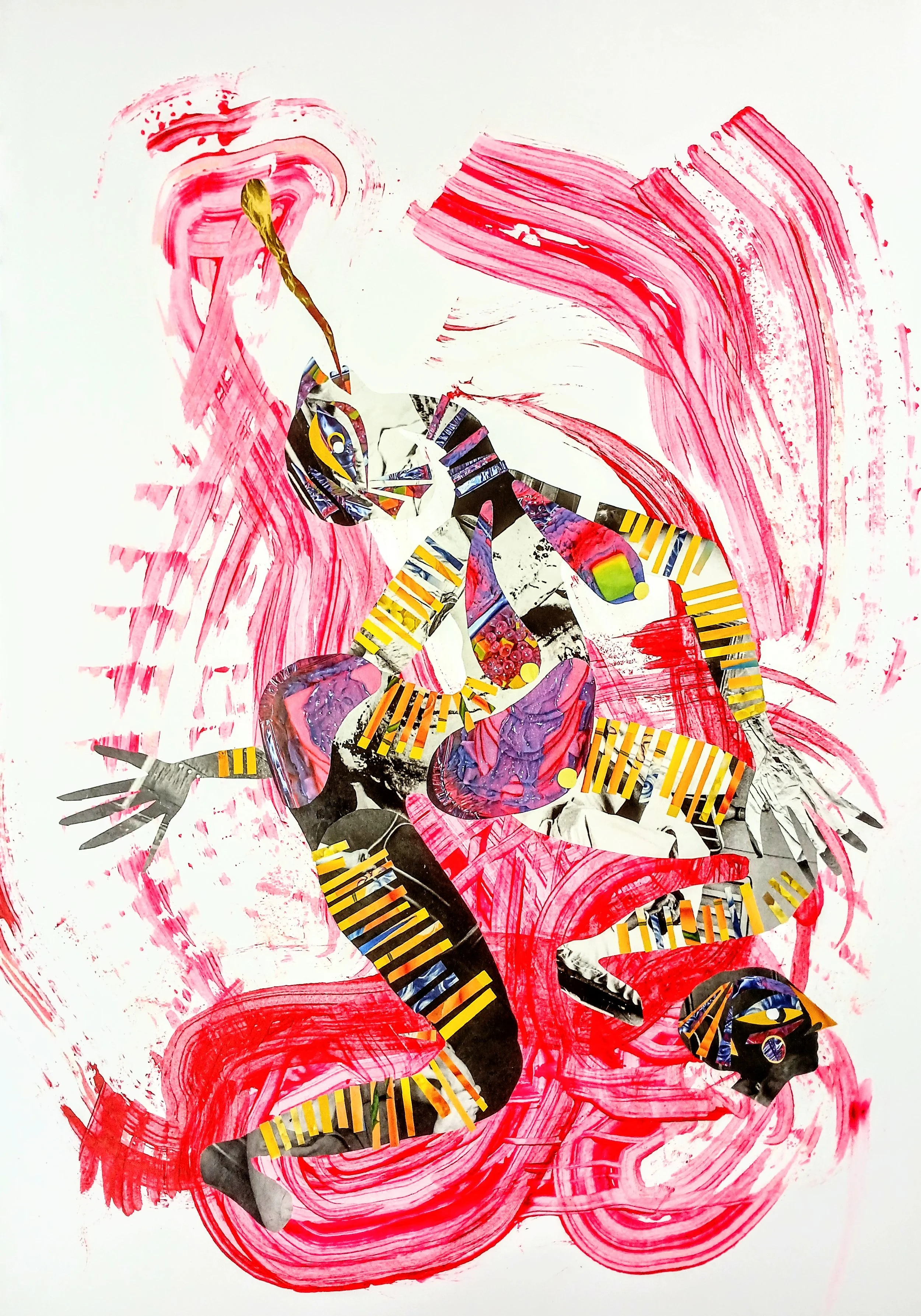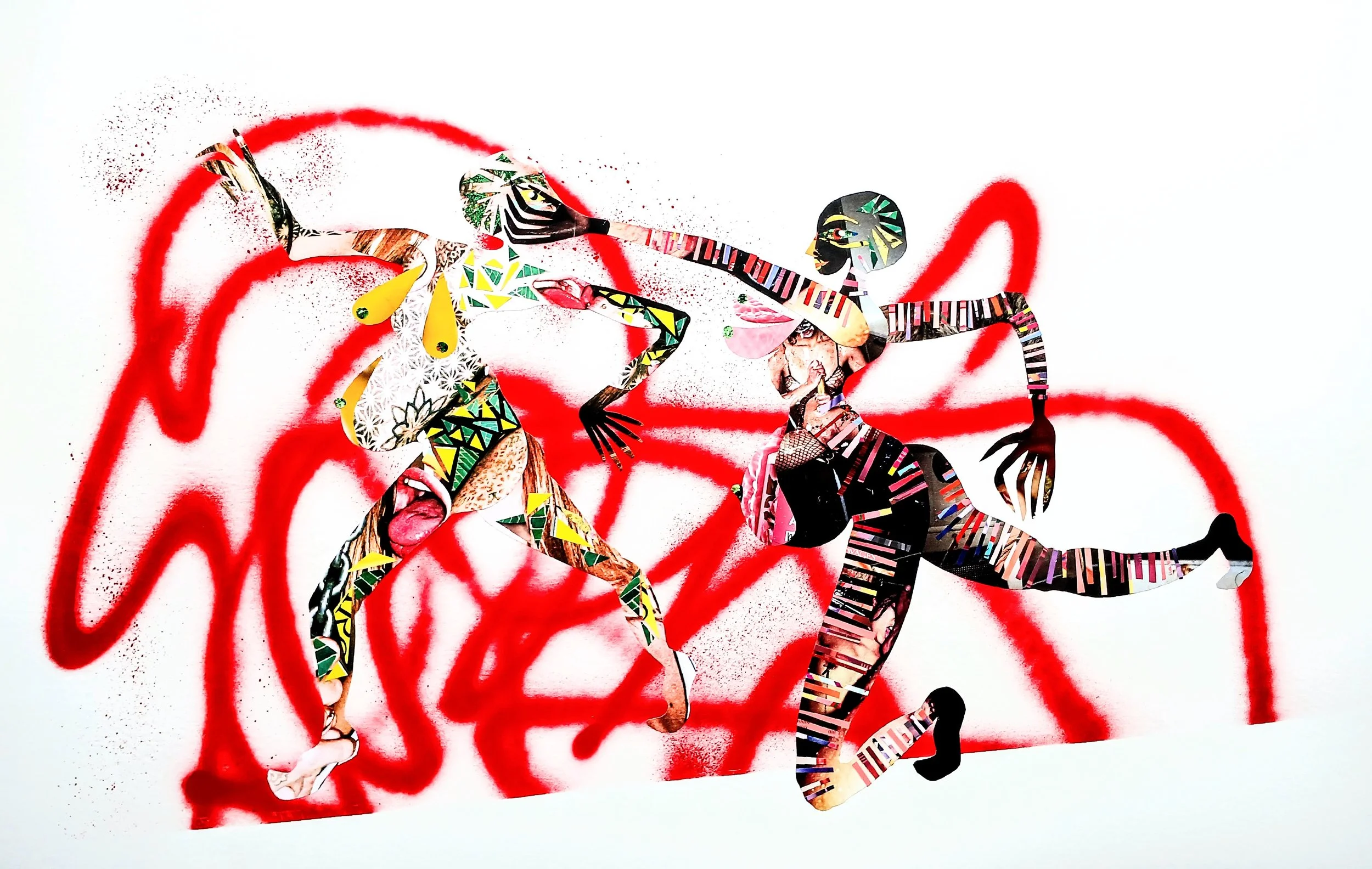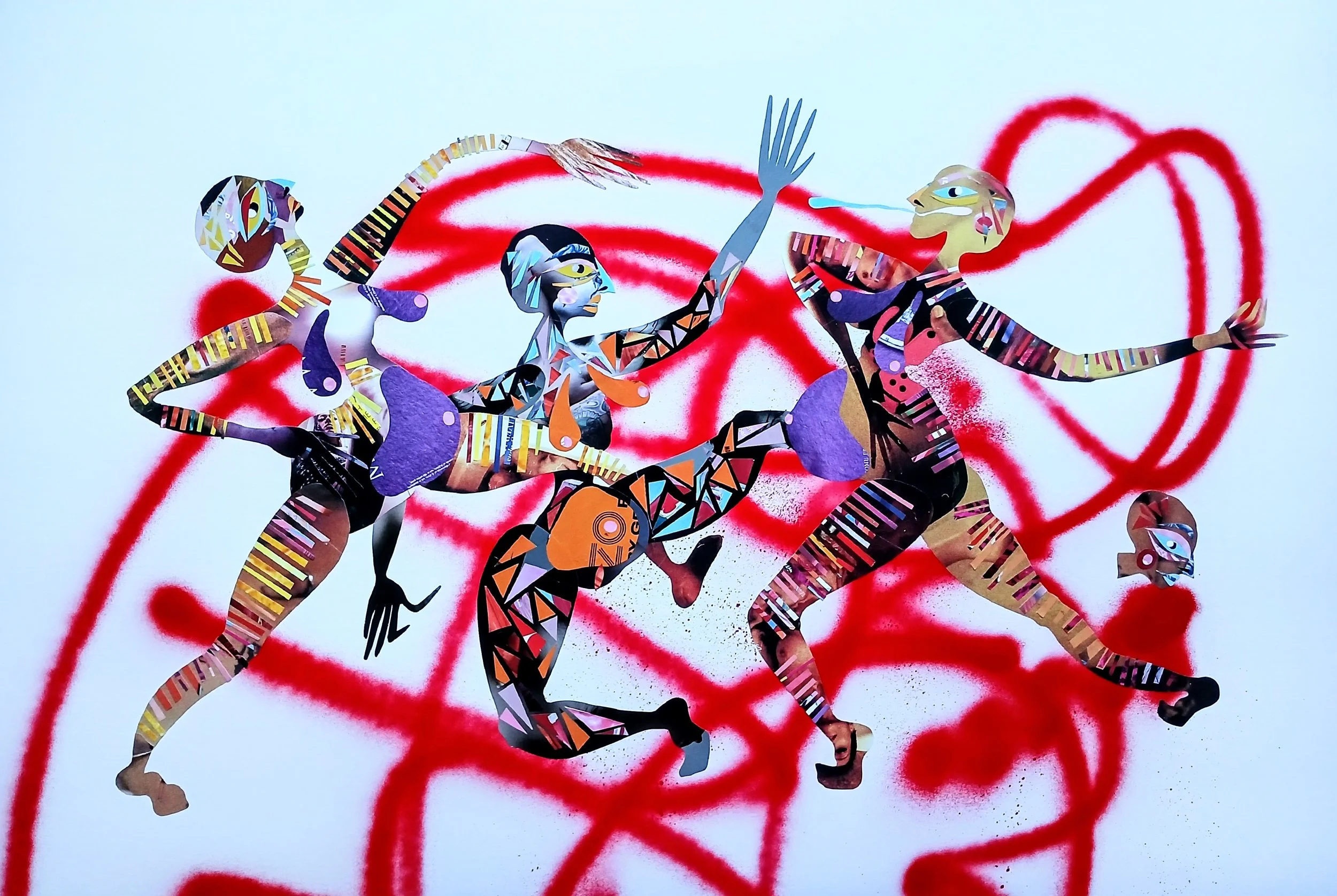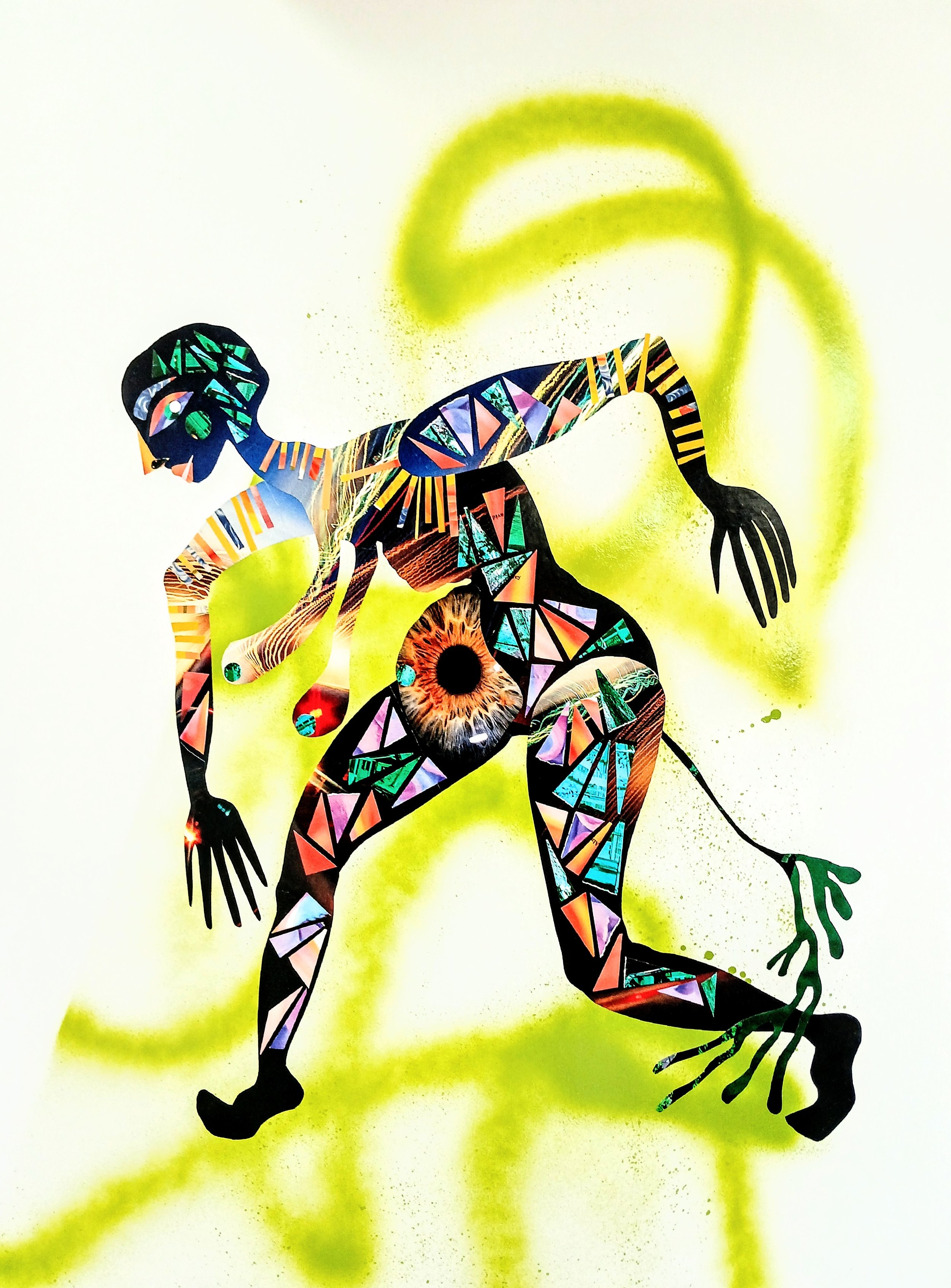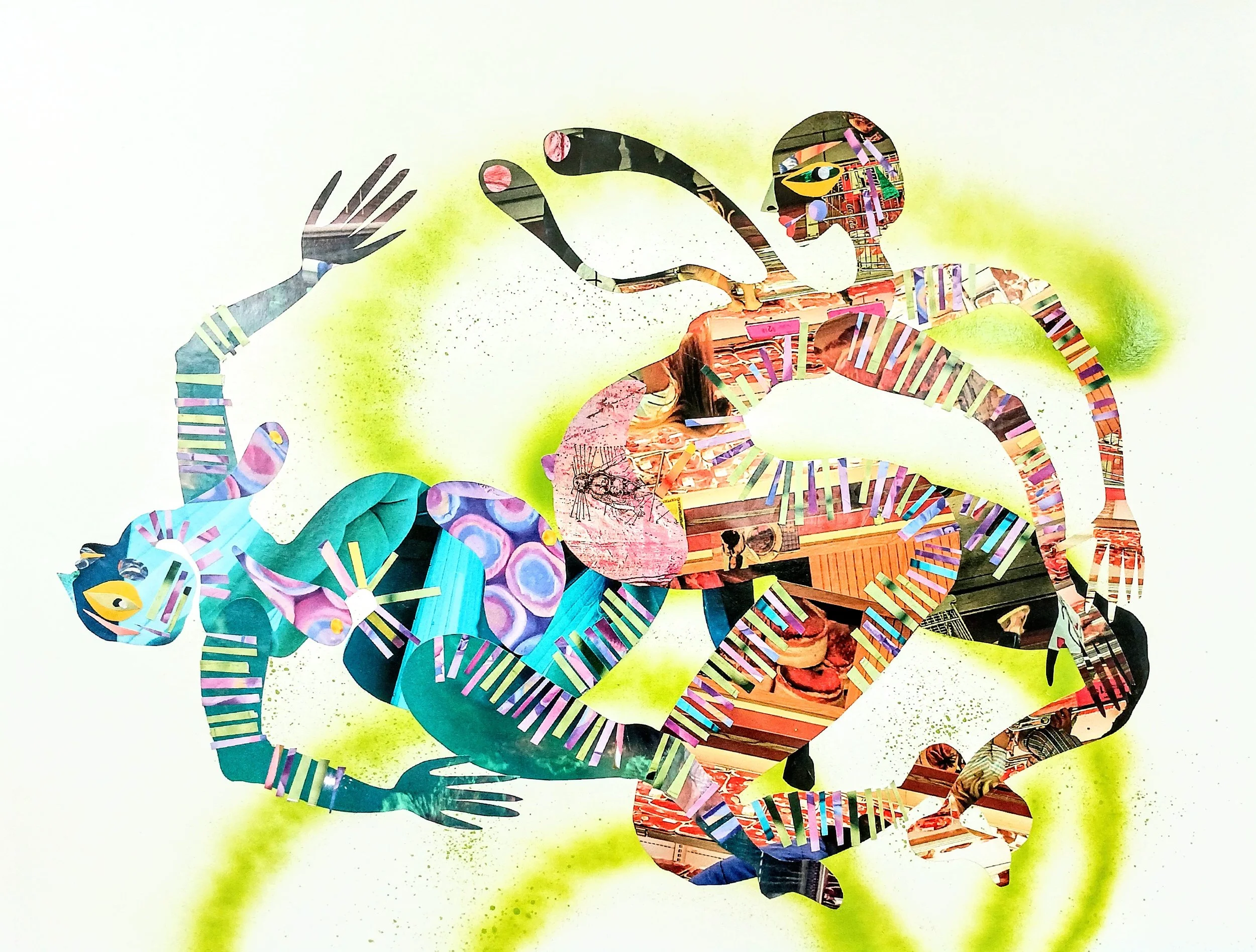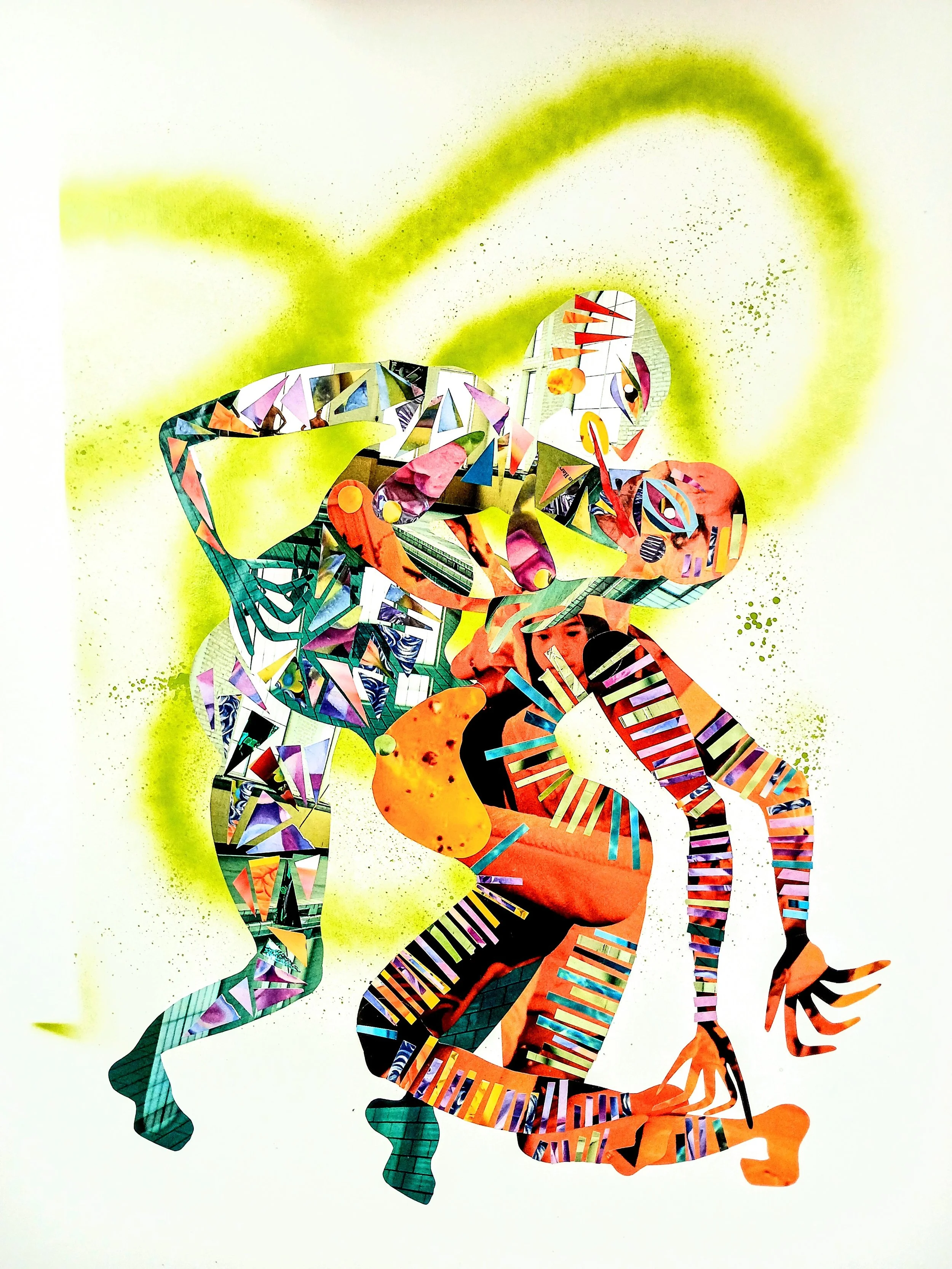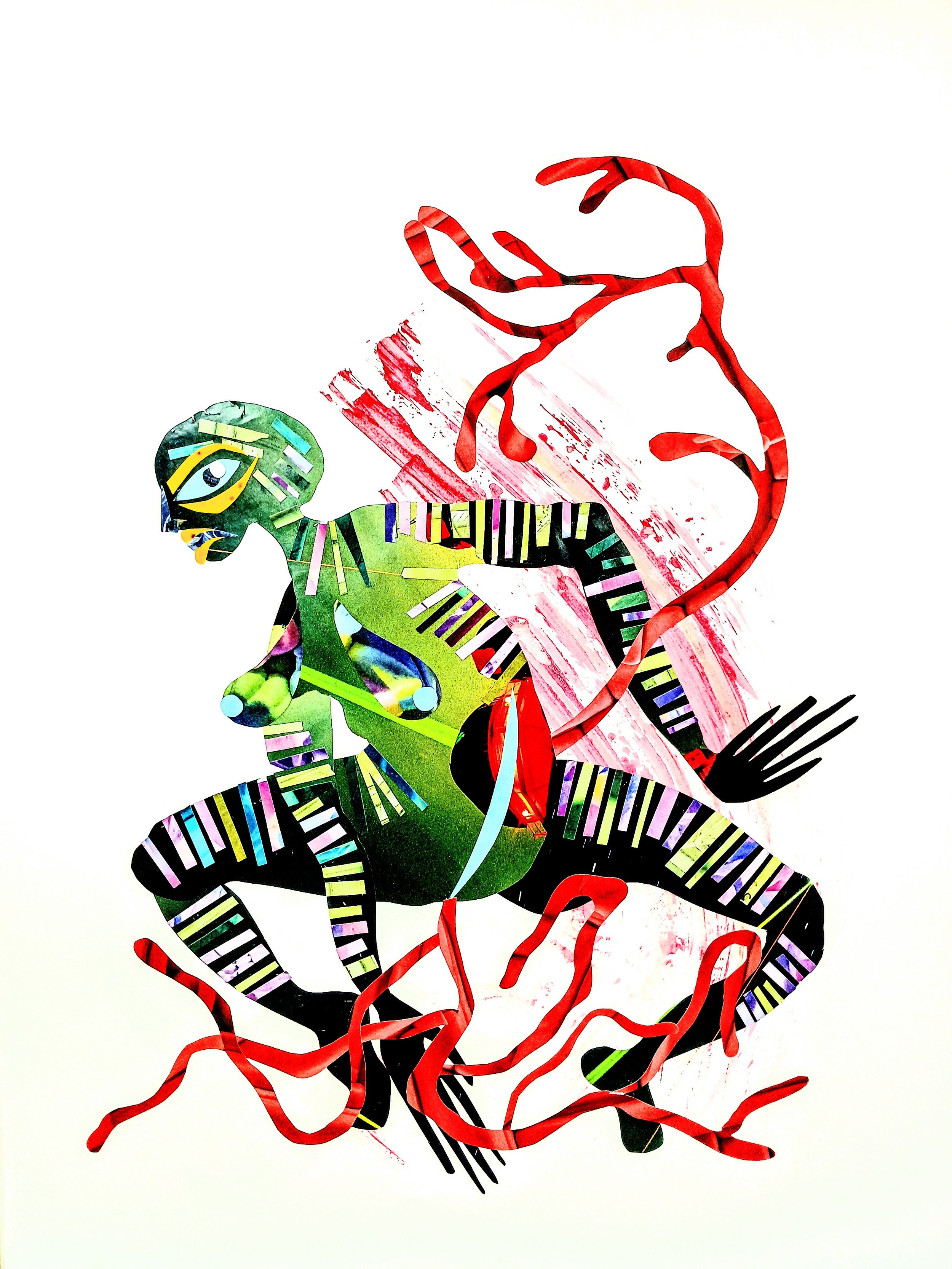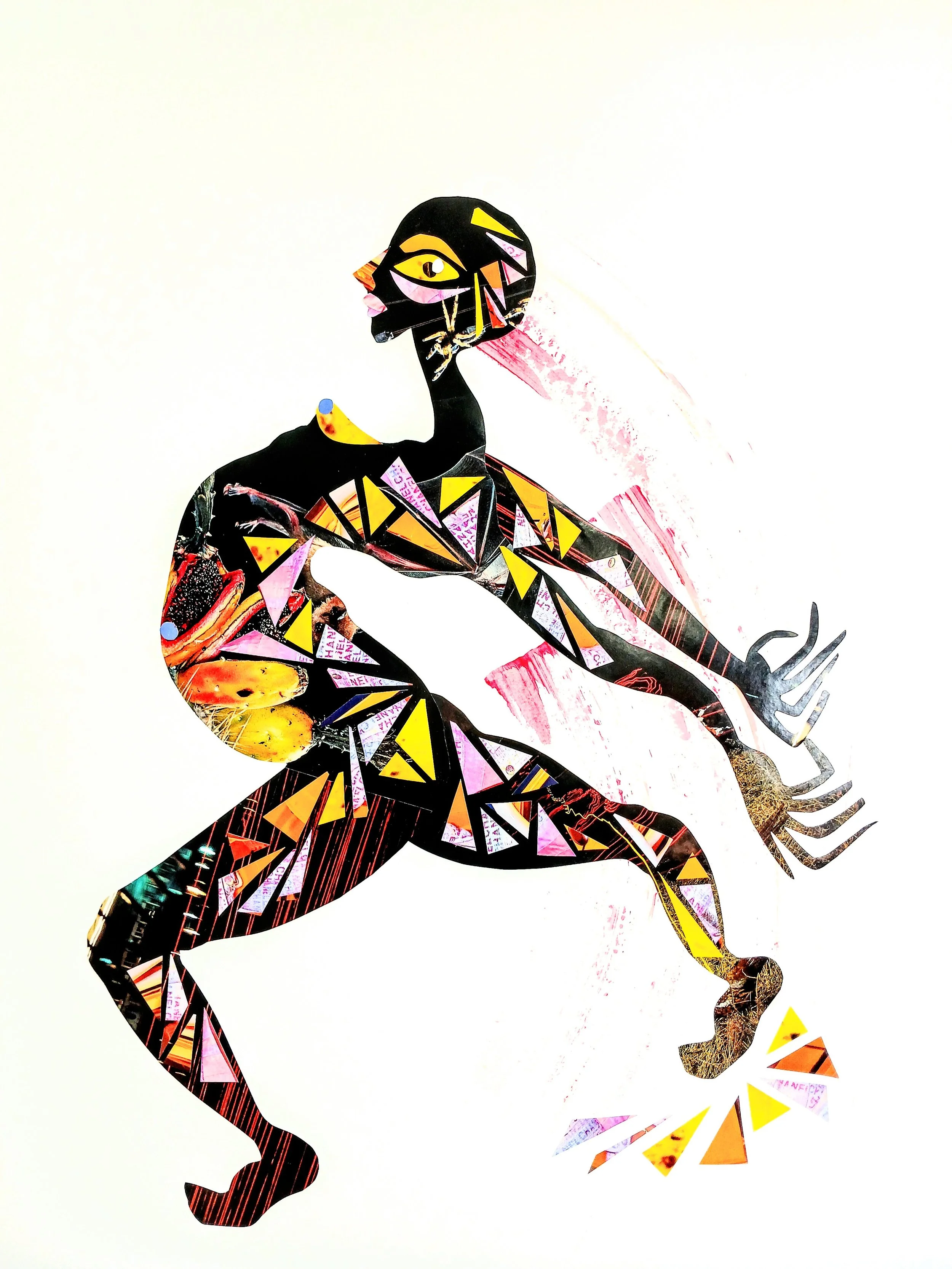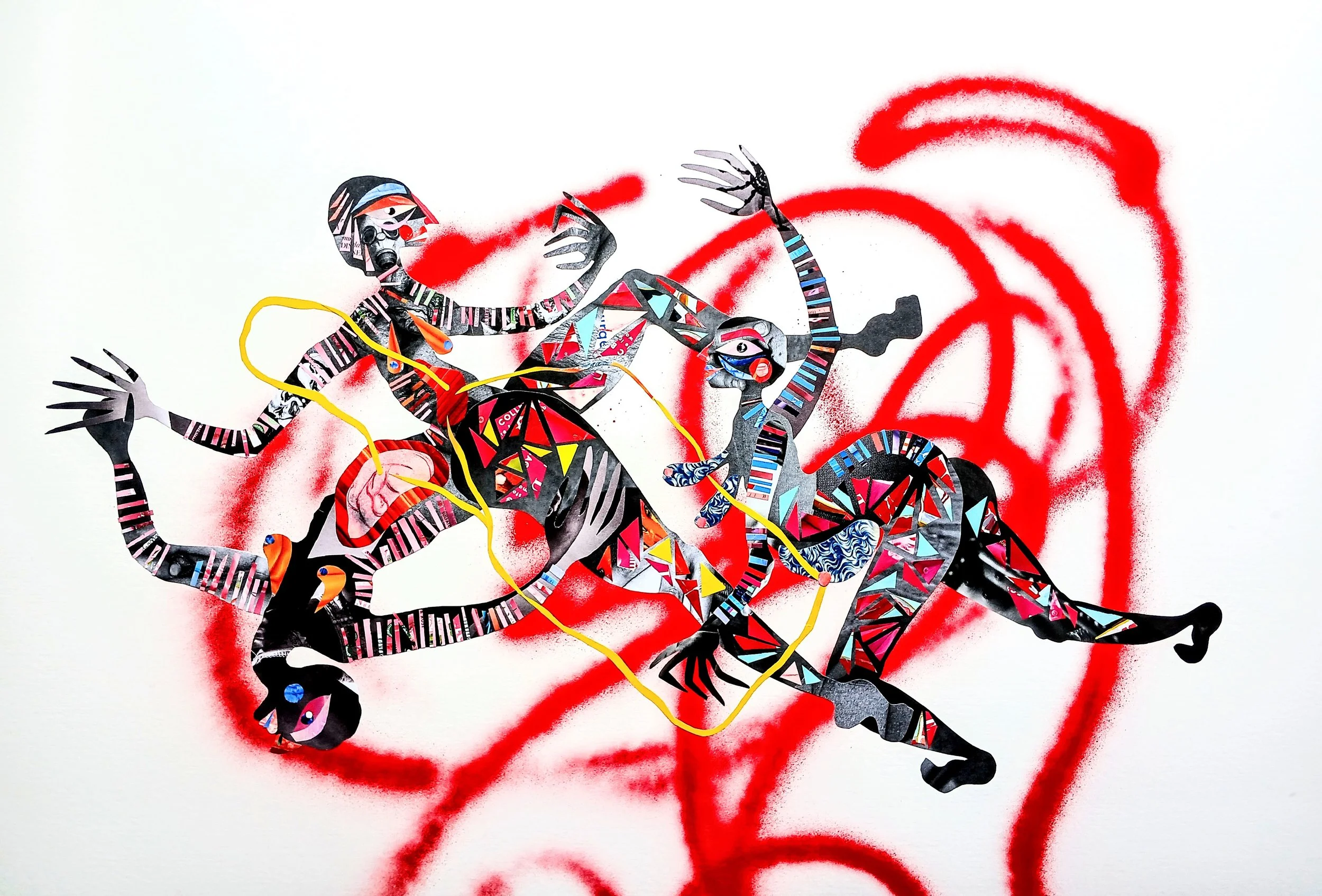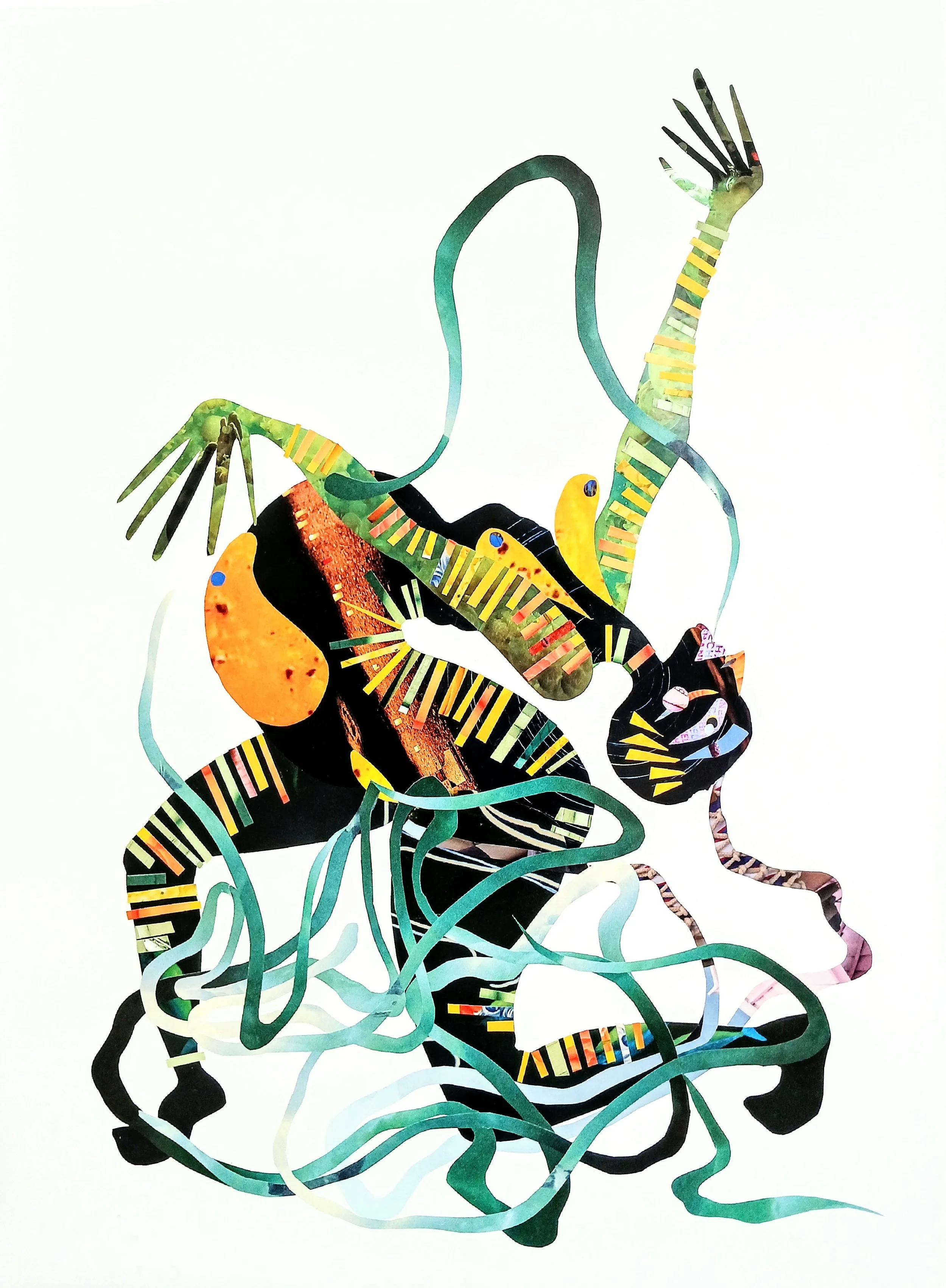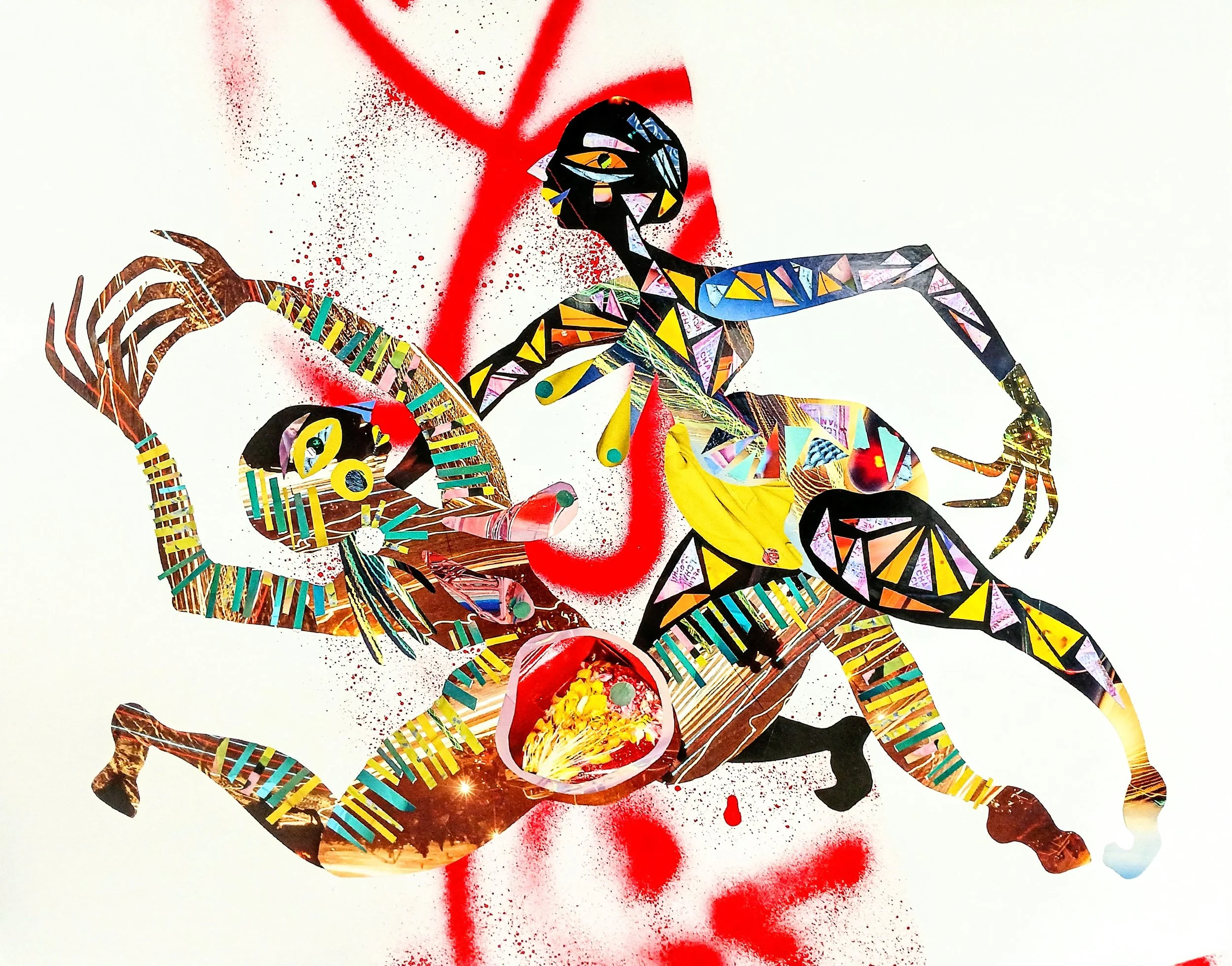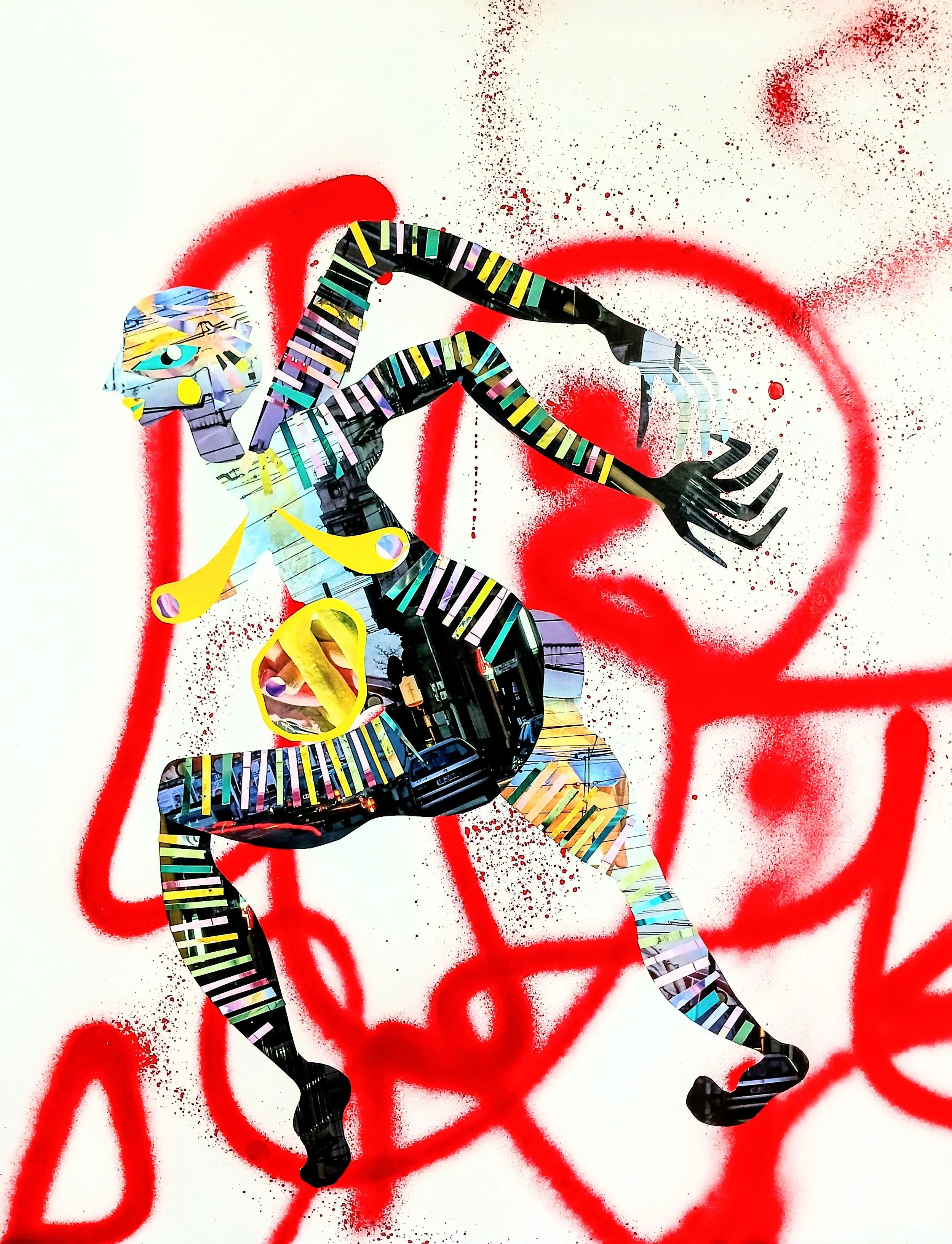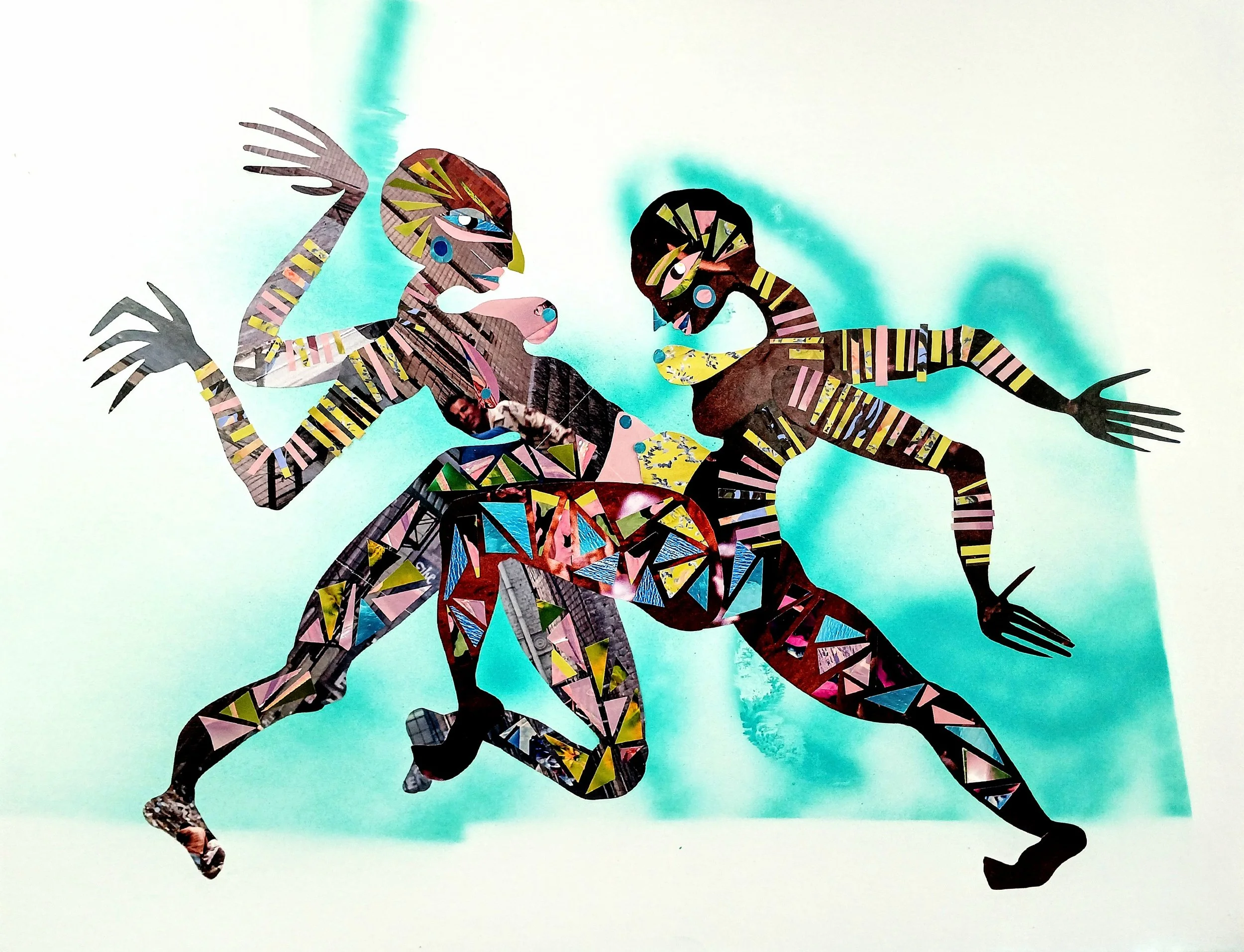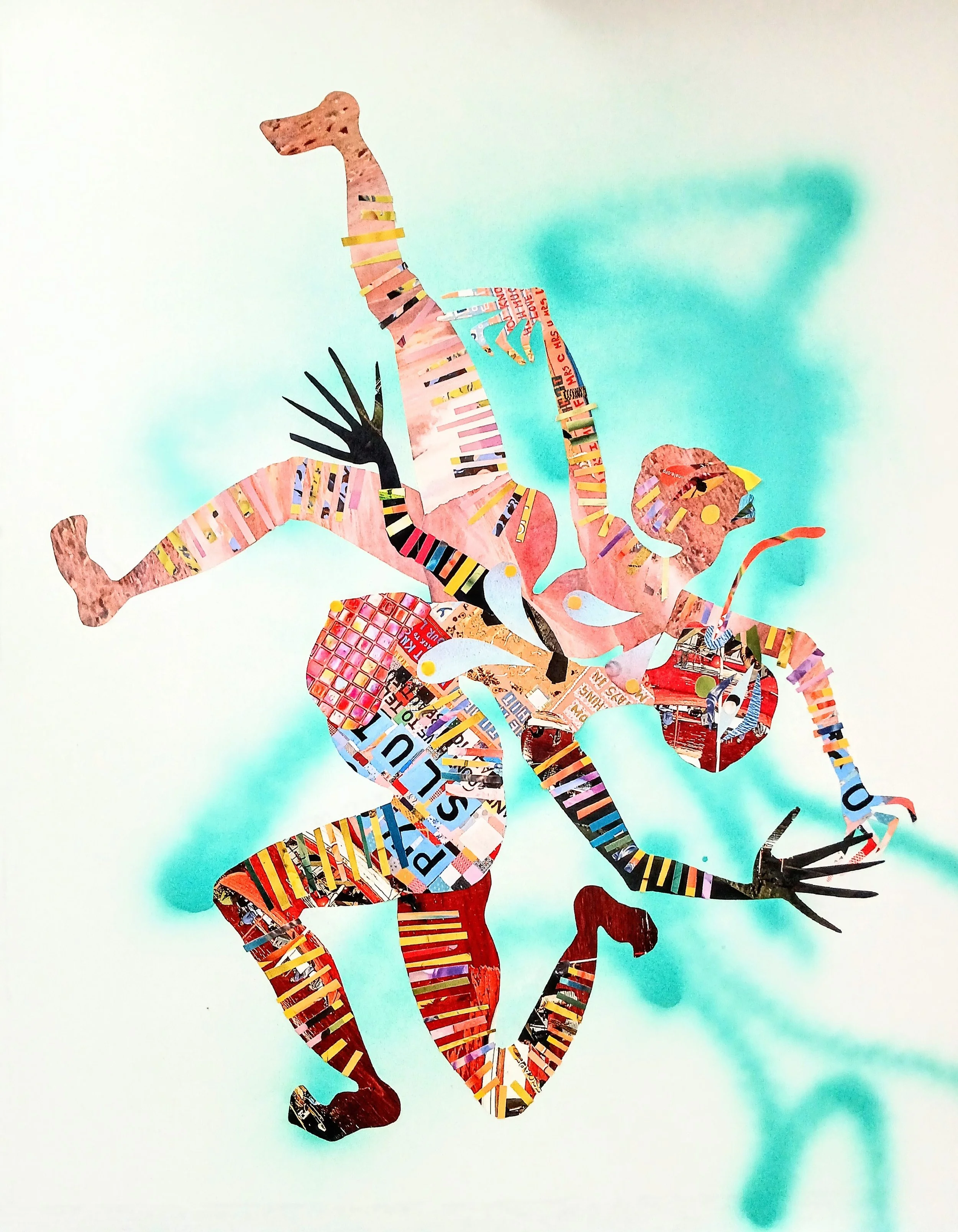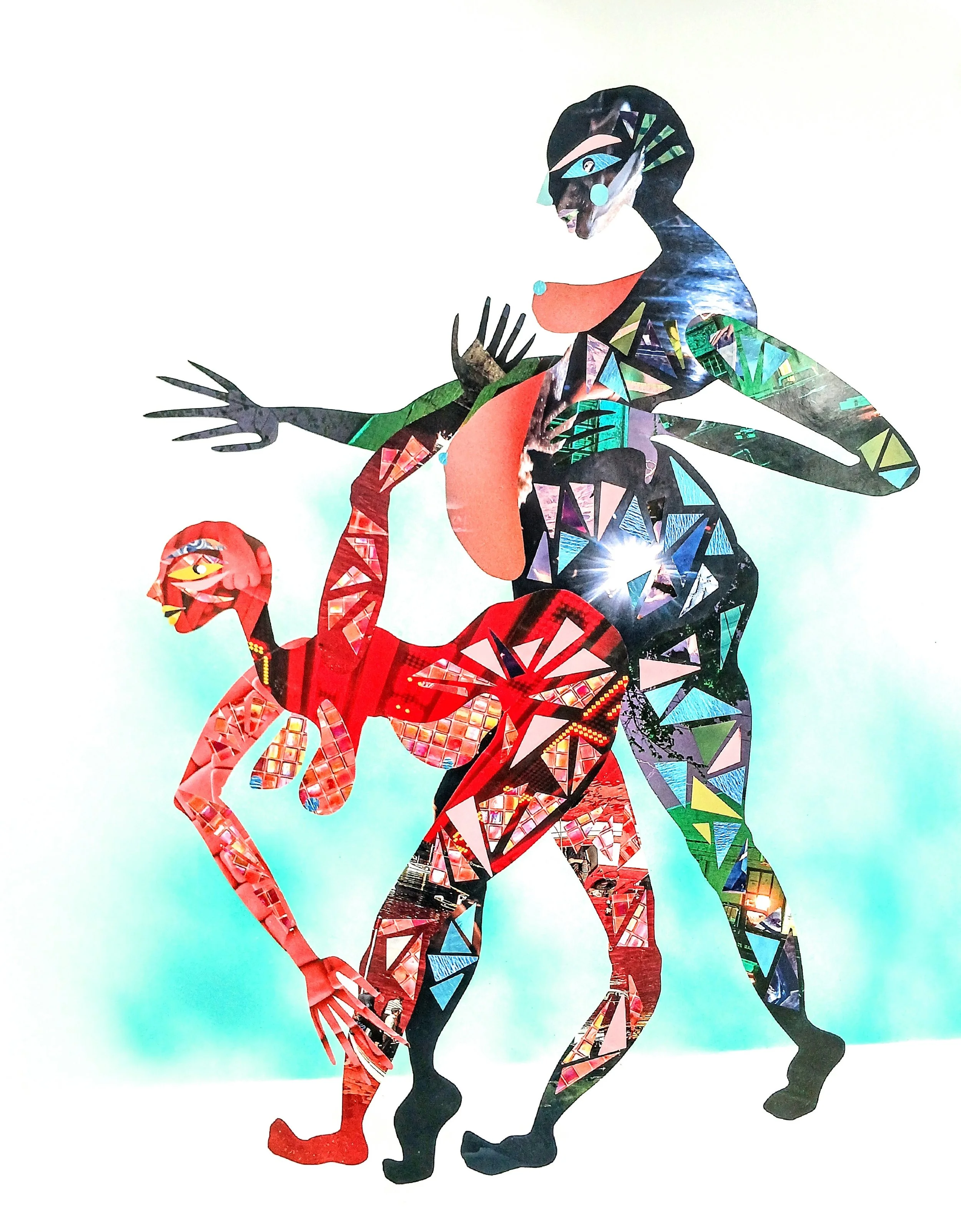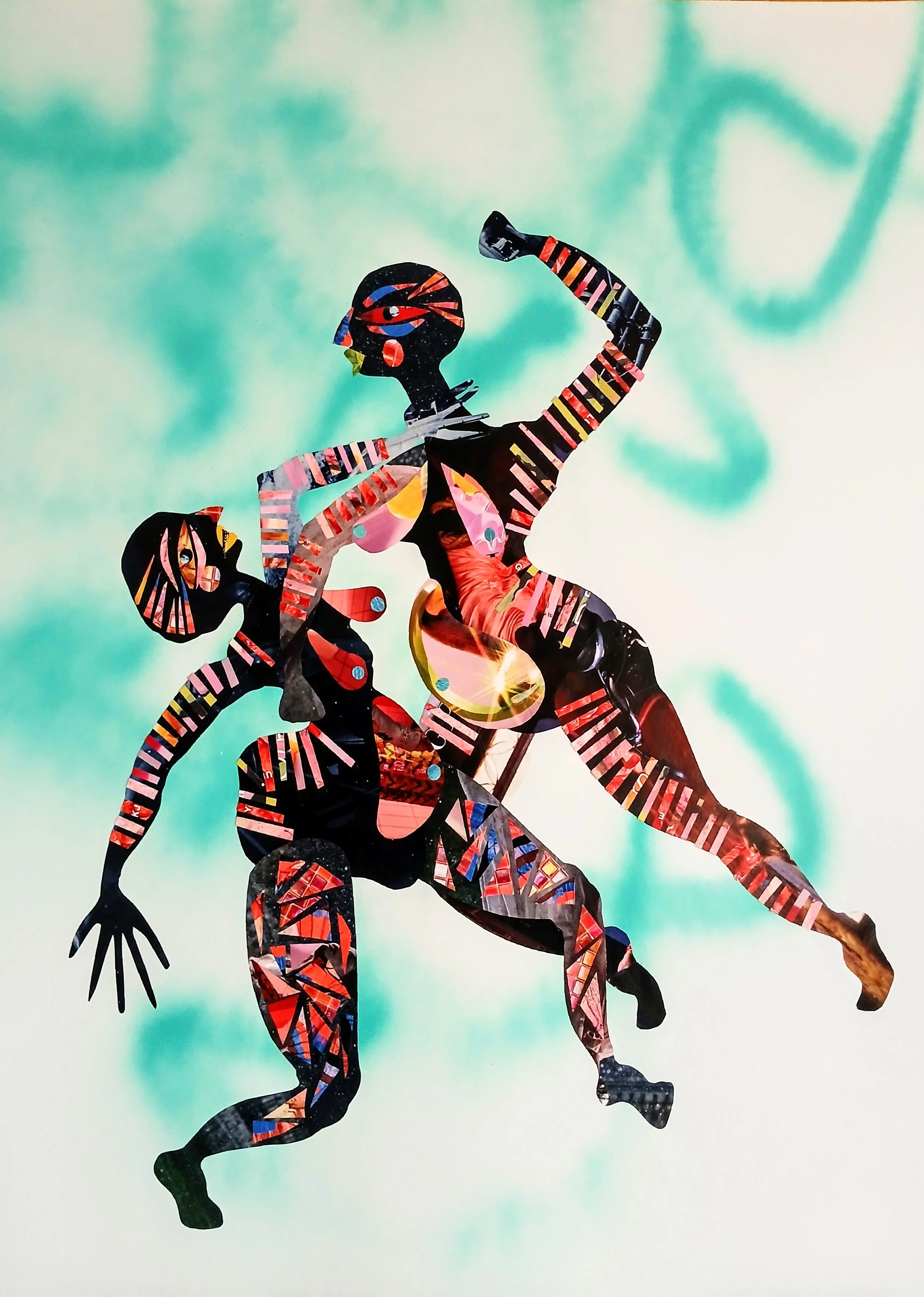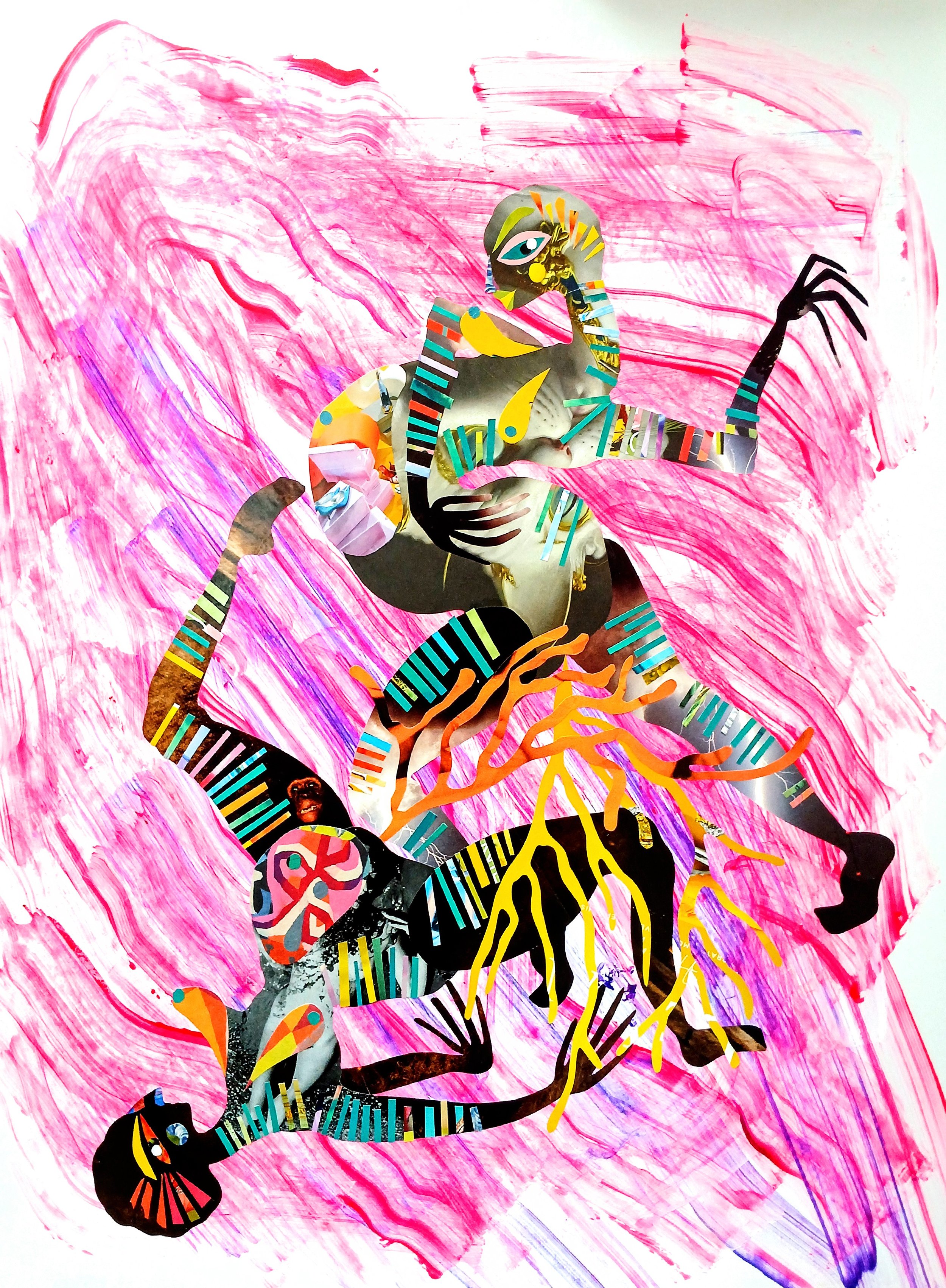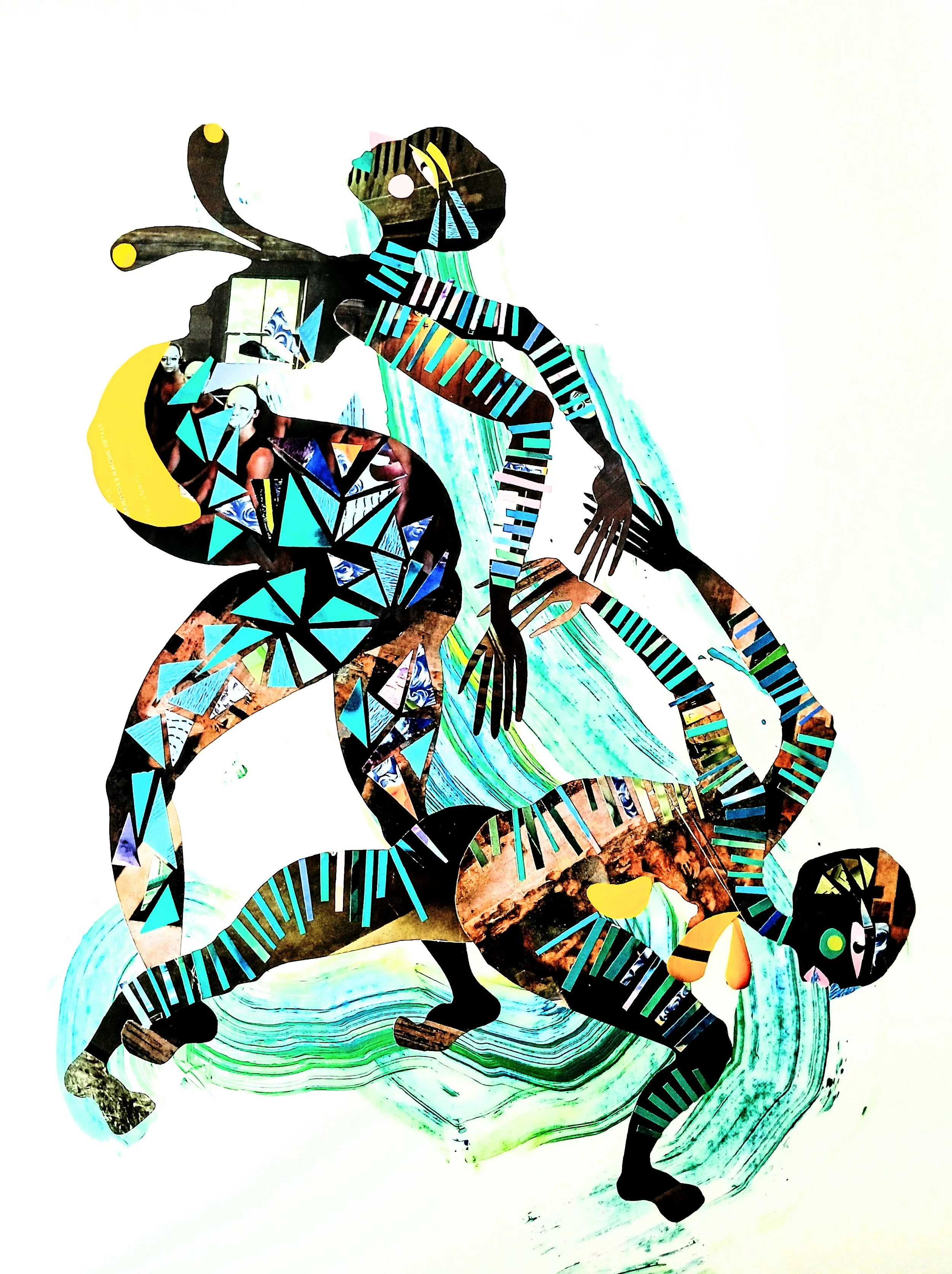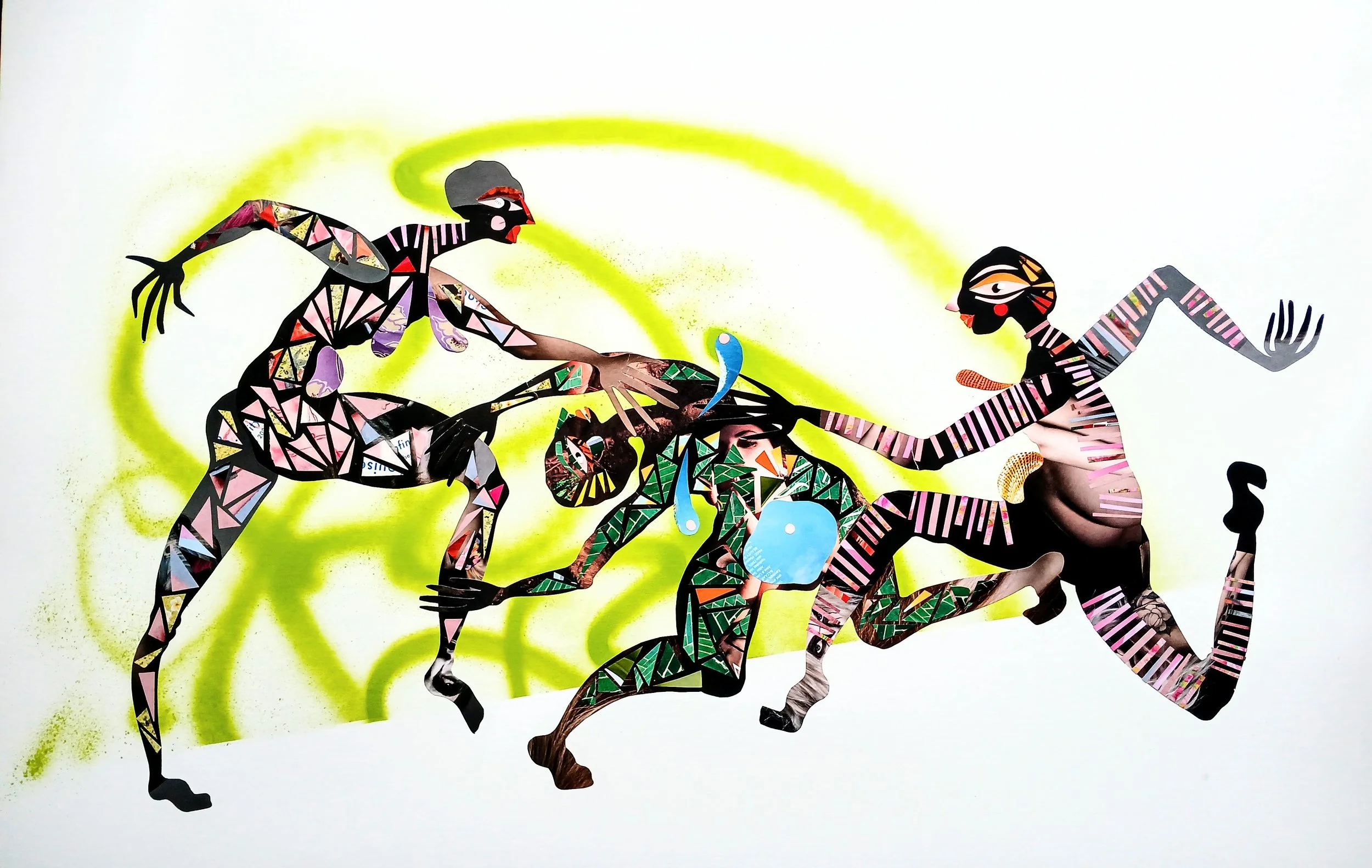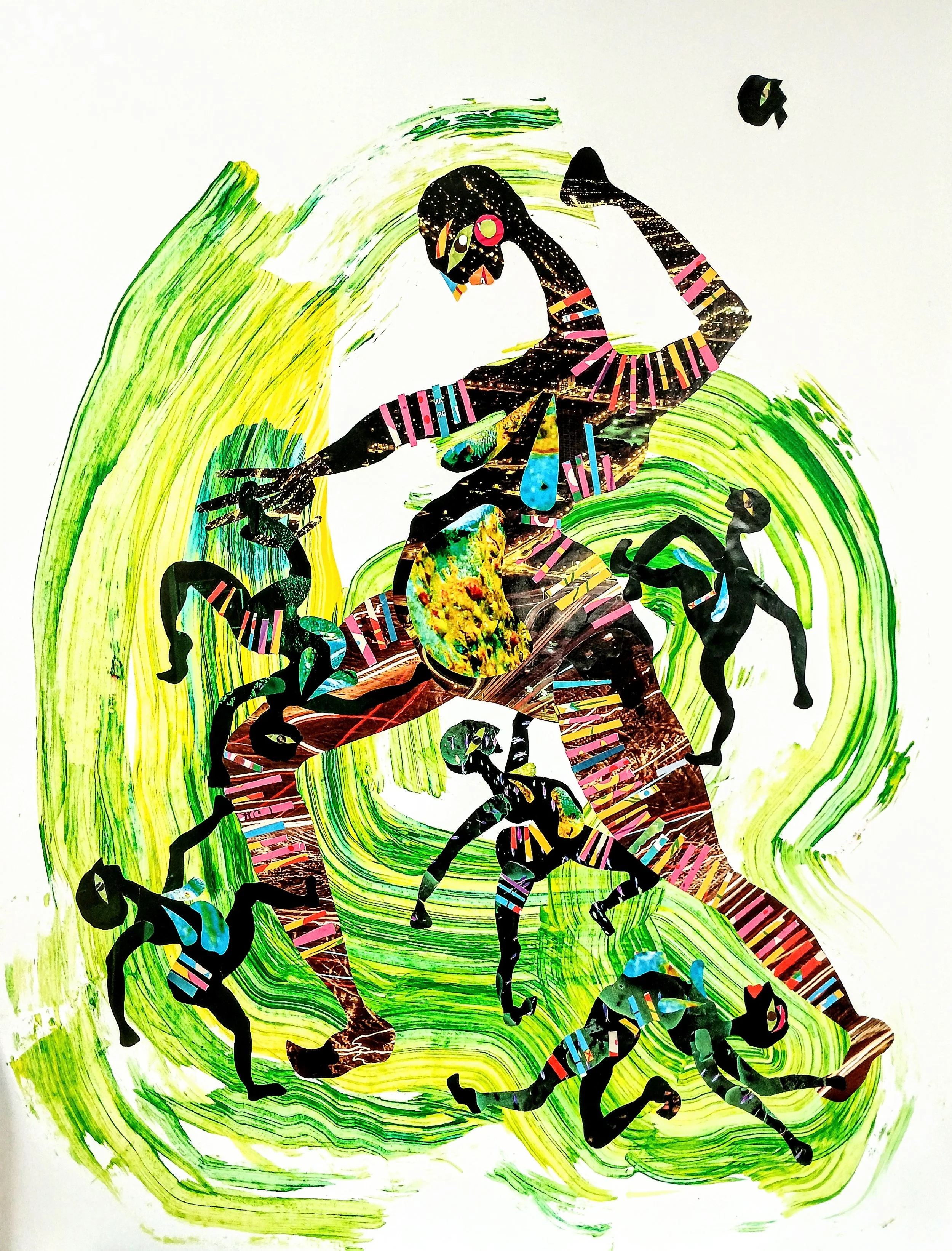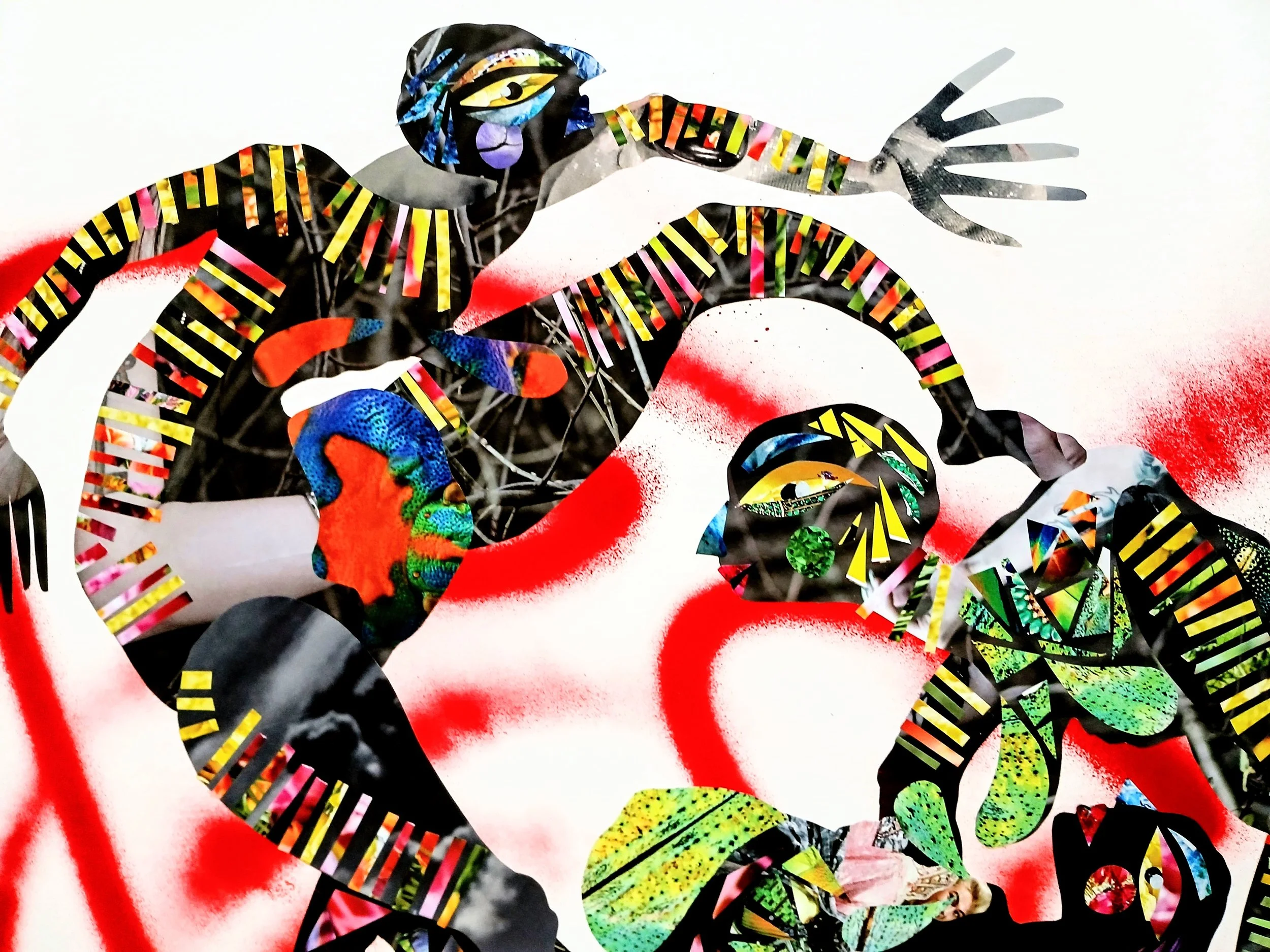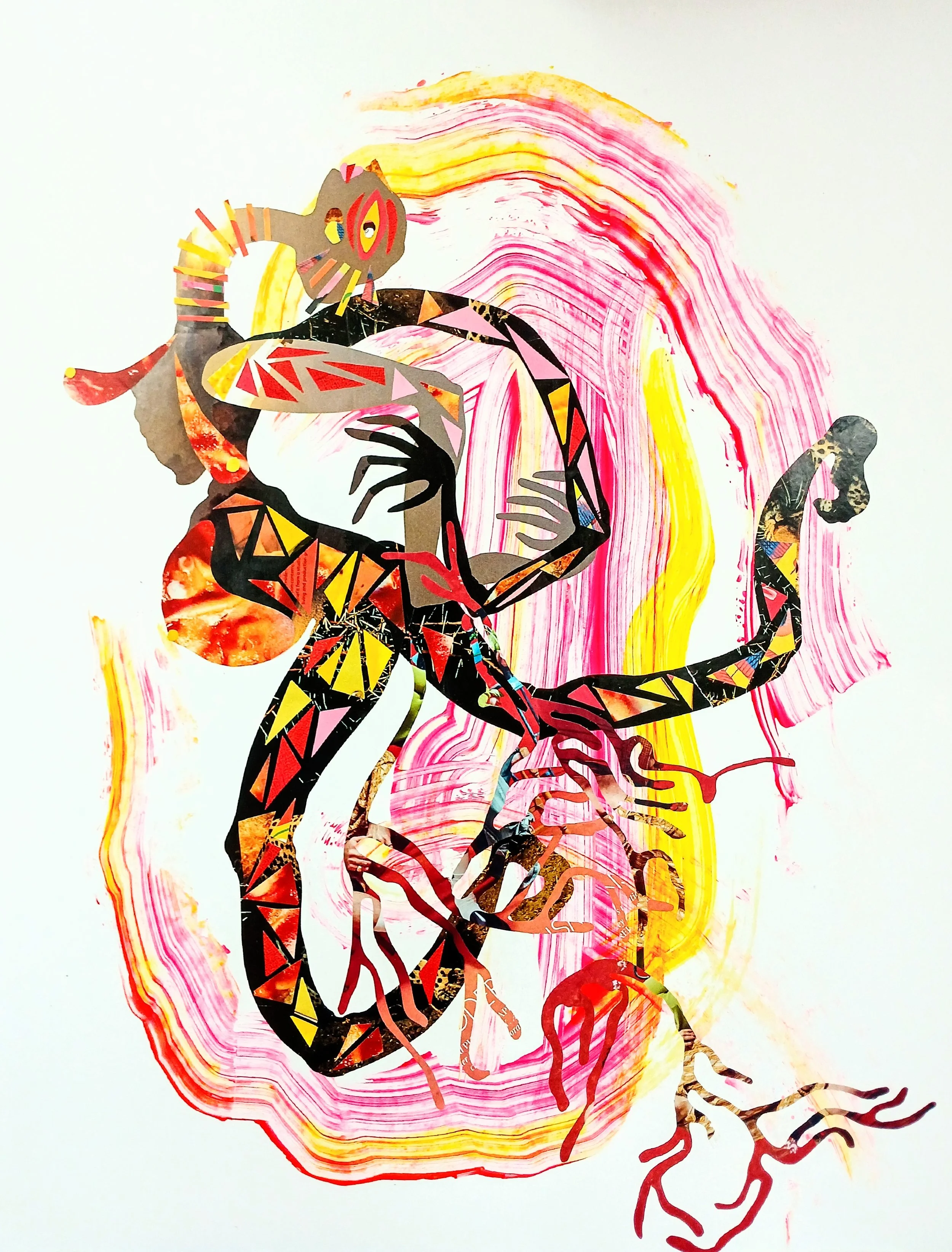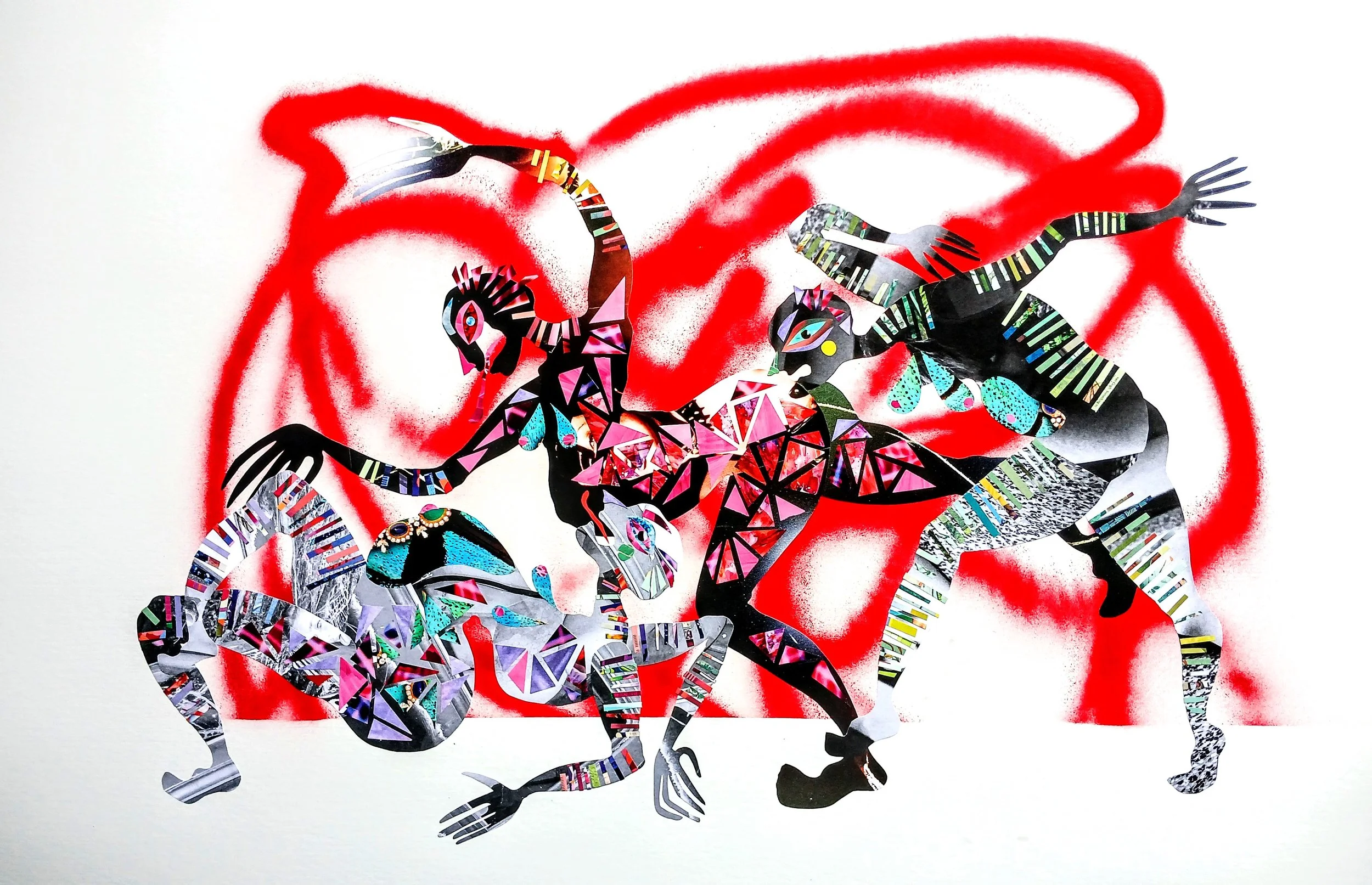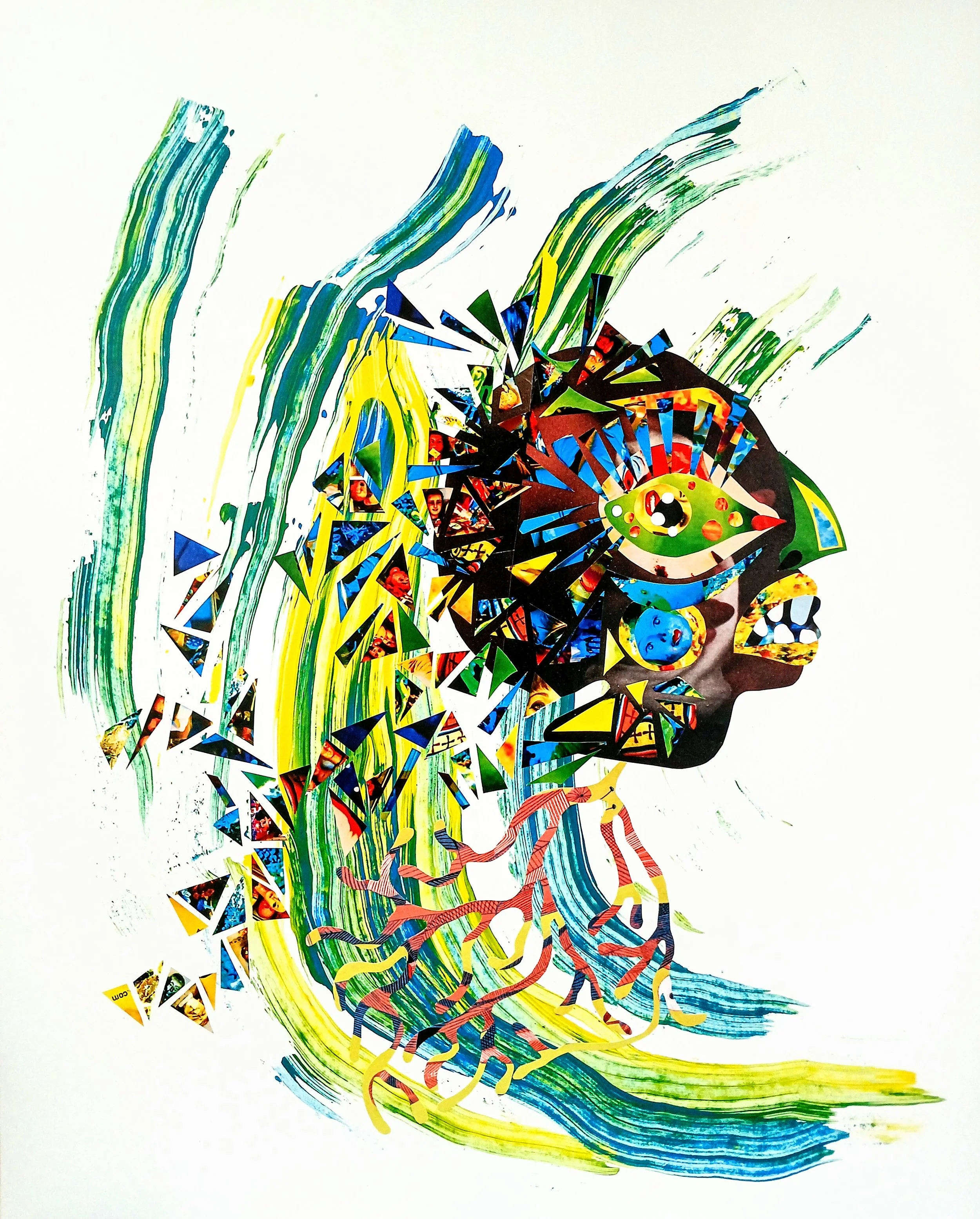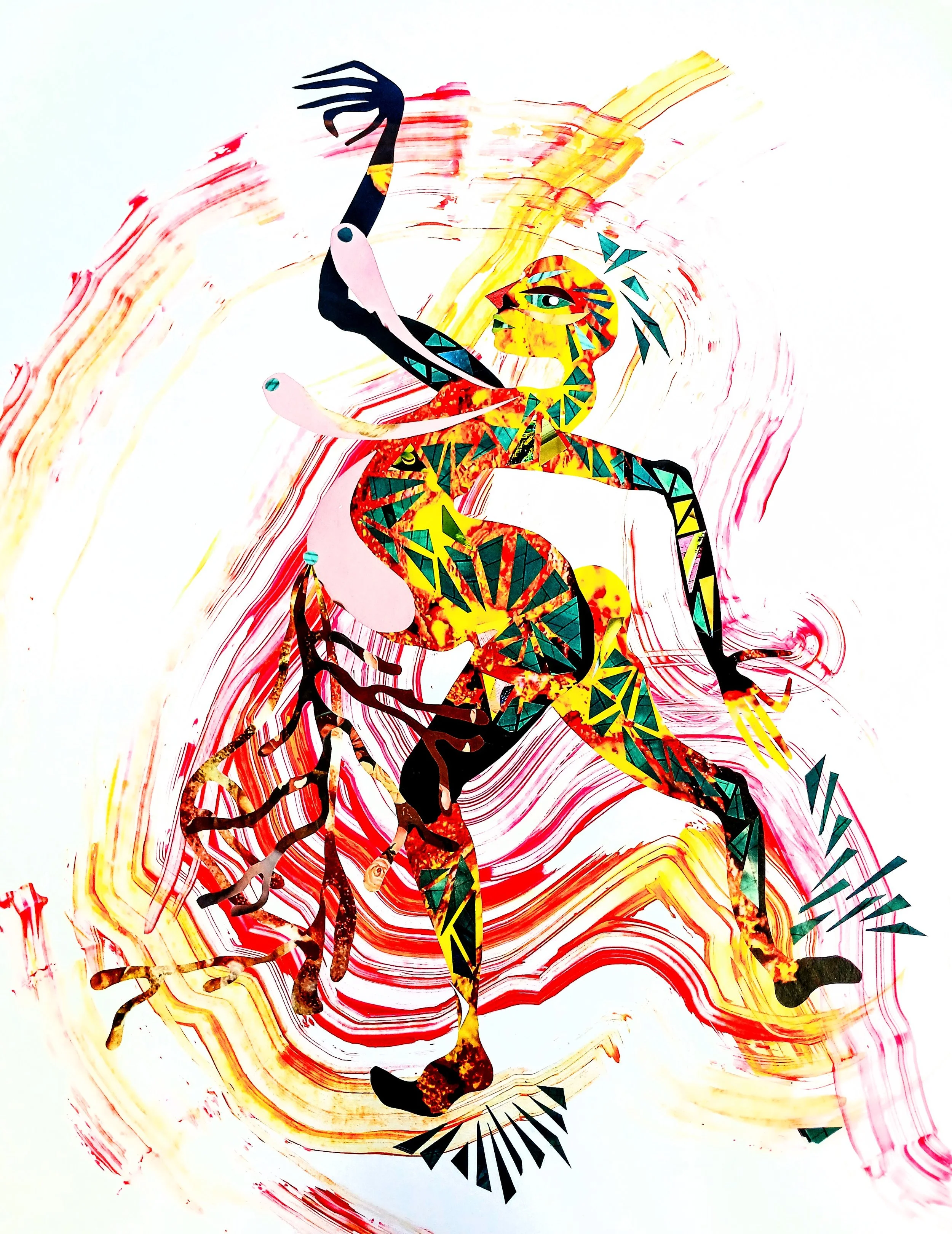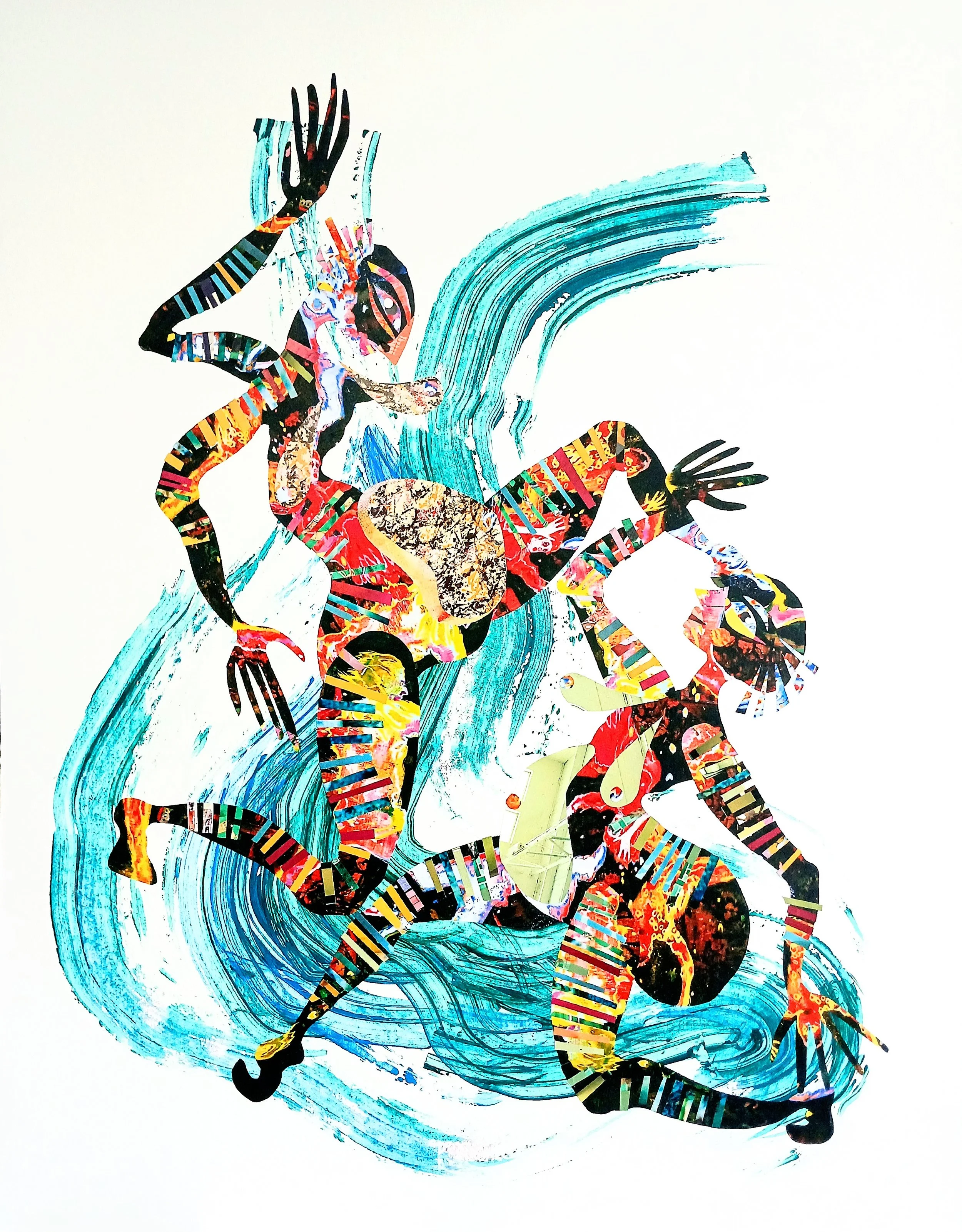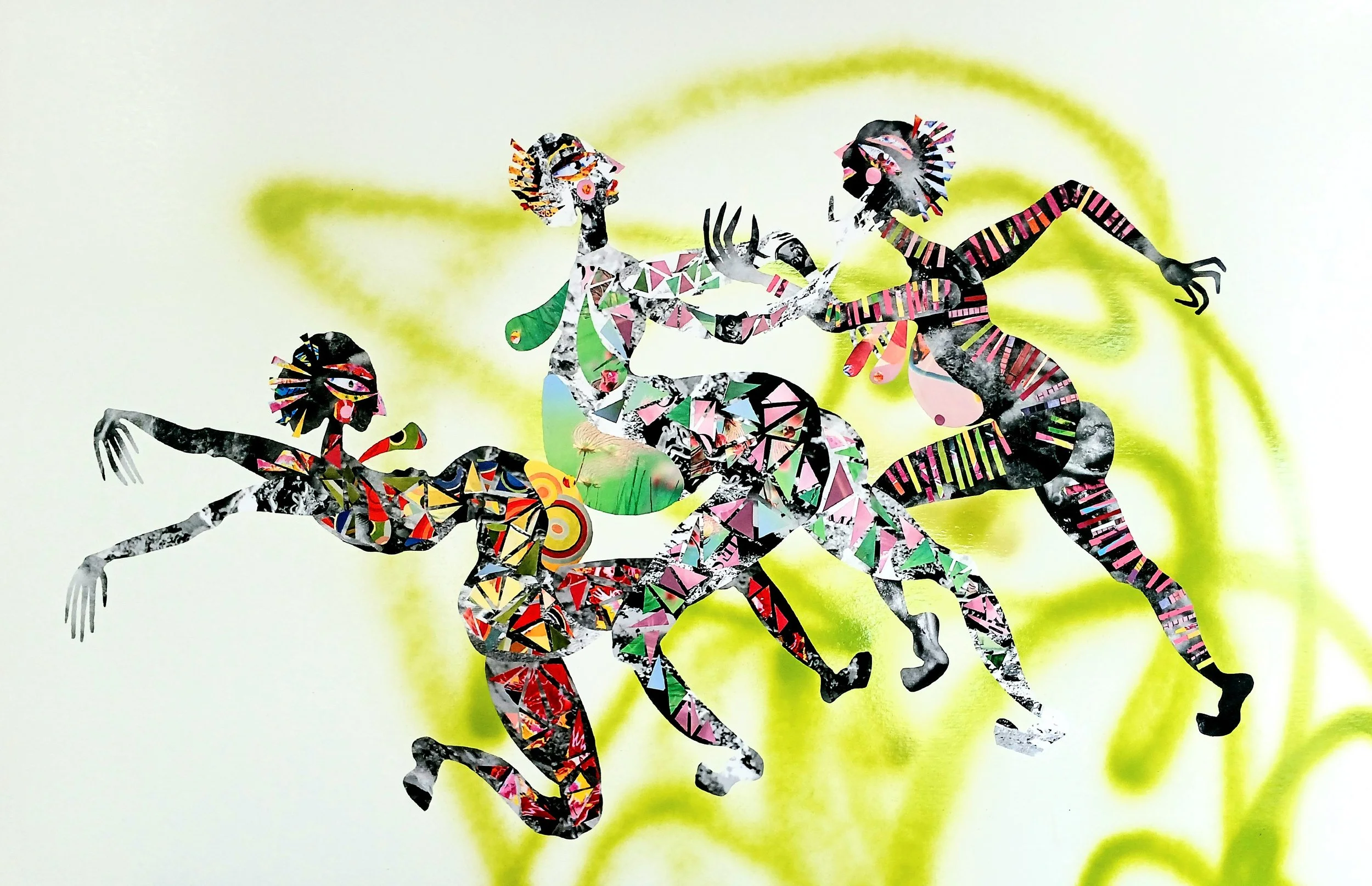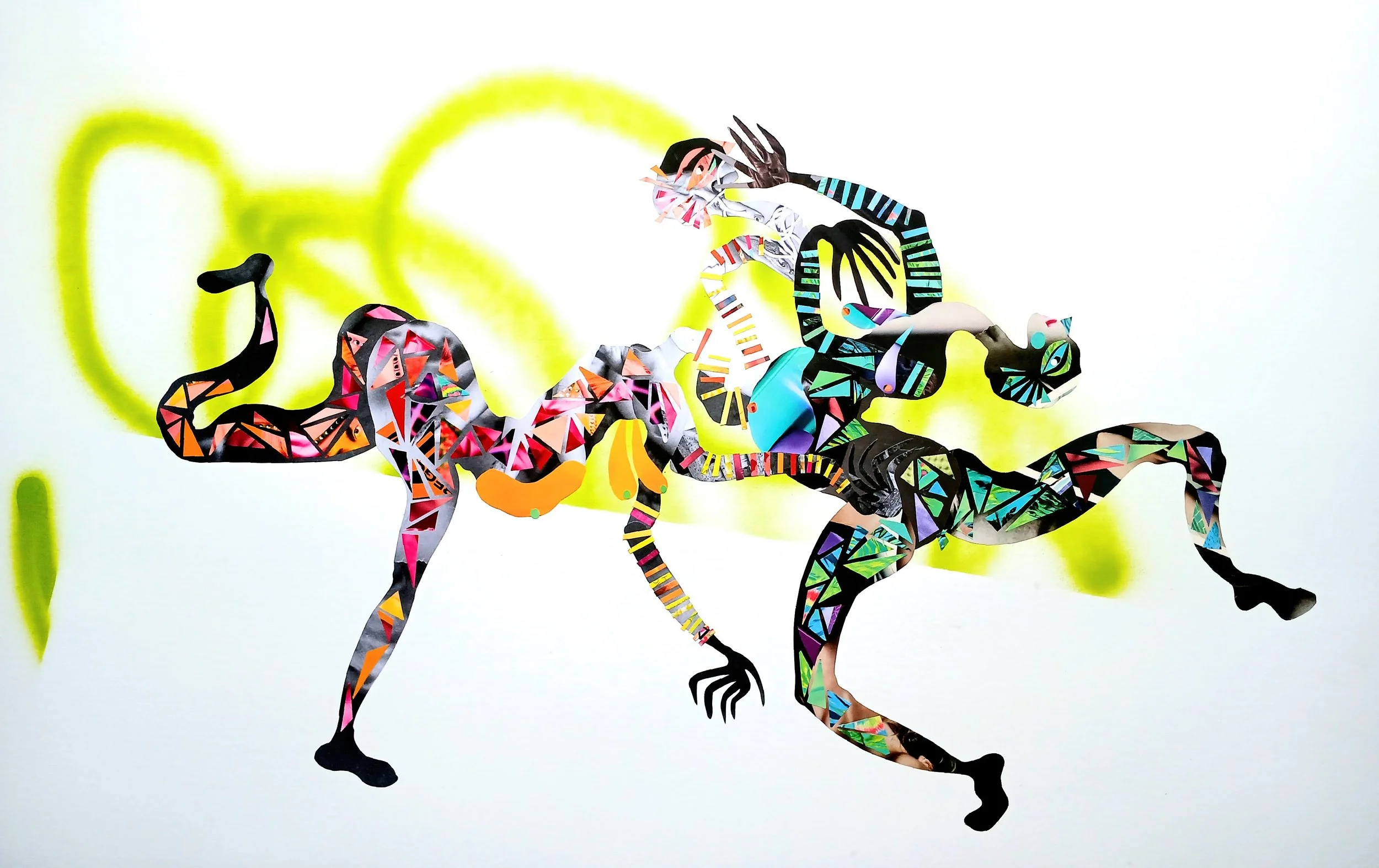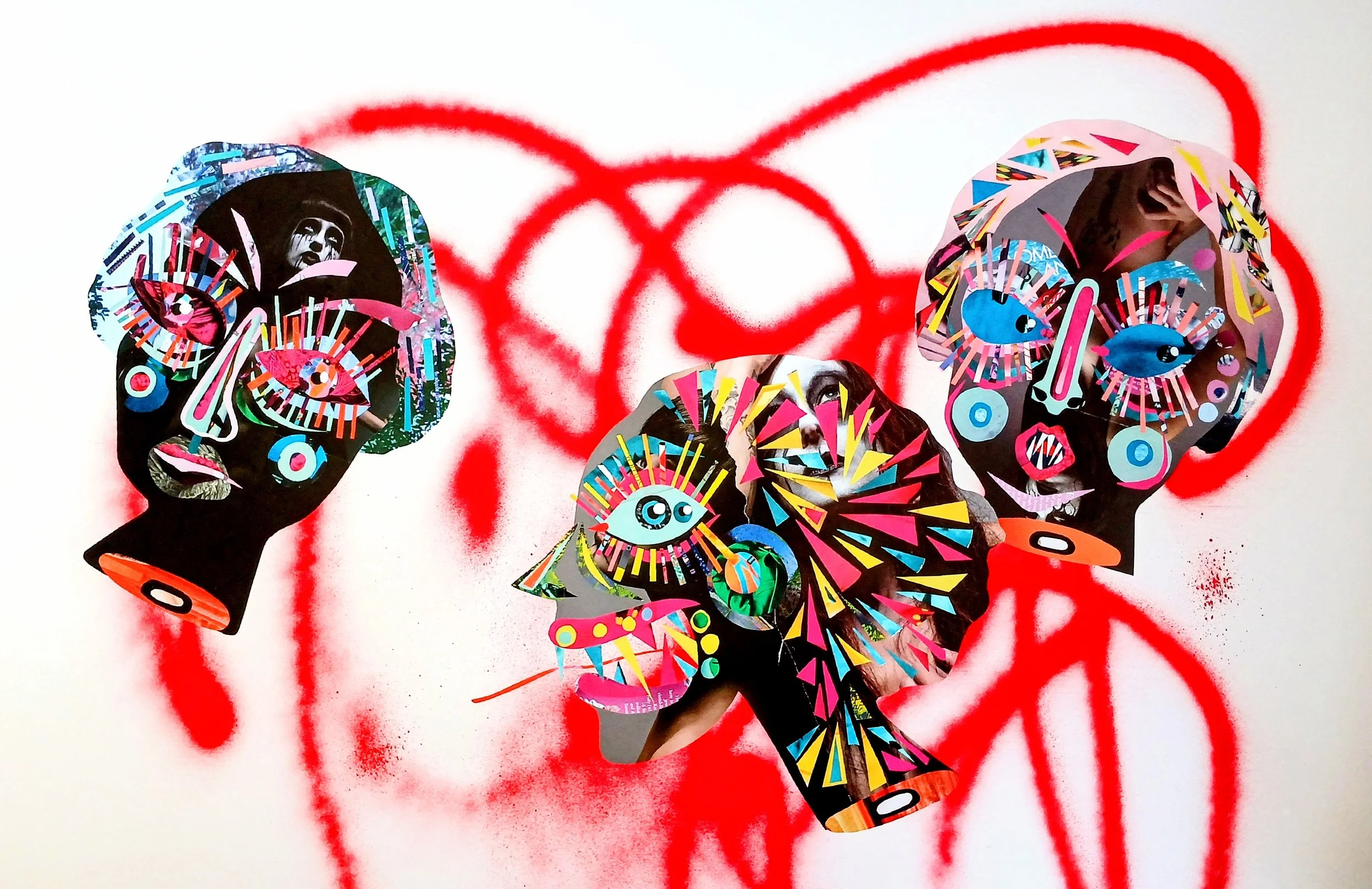
Violence.
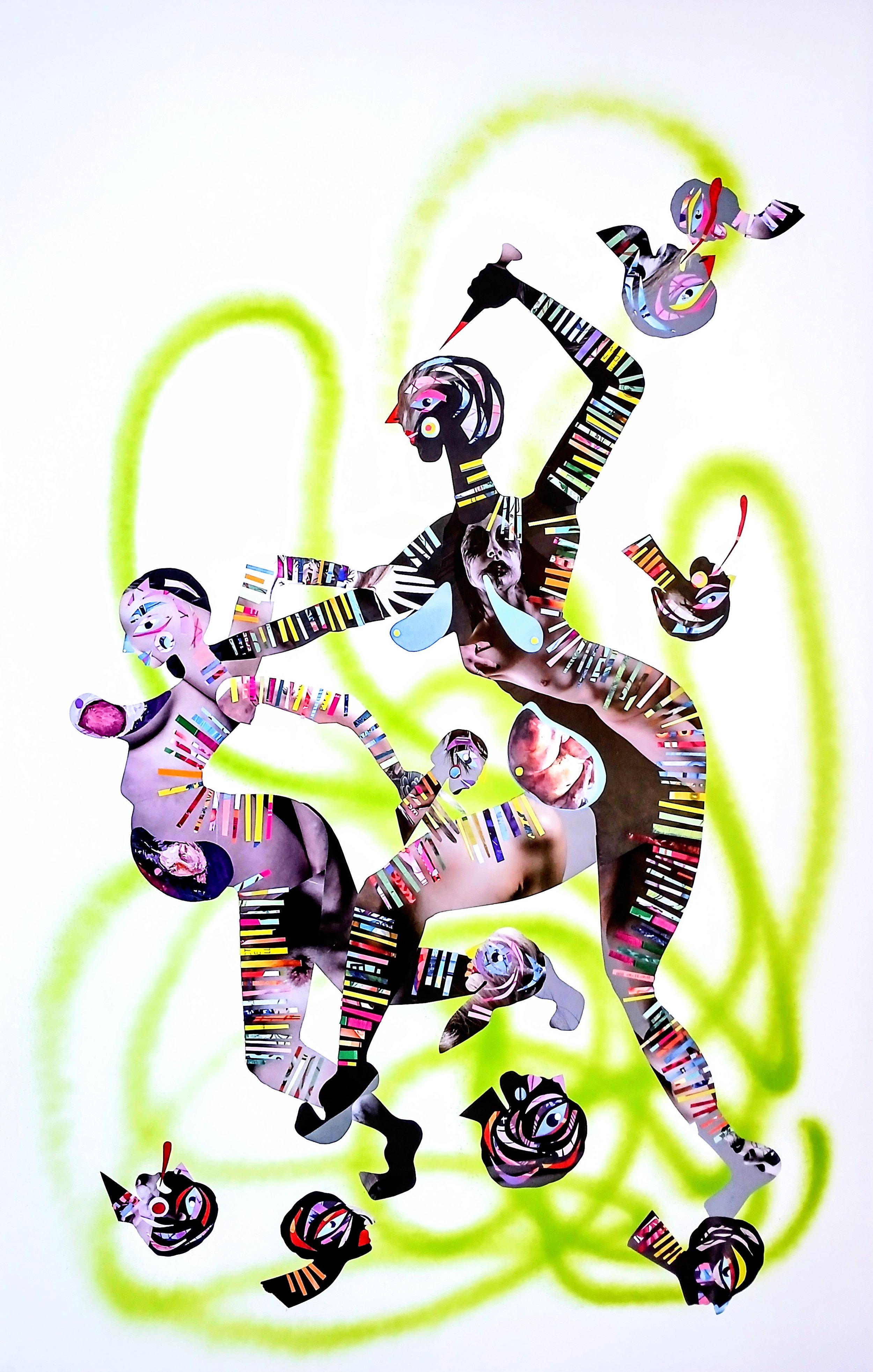
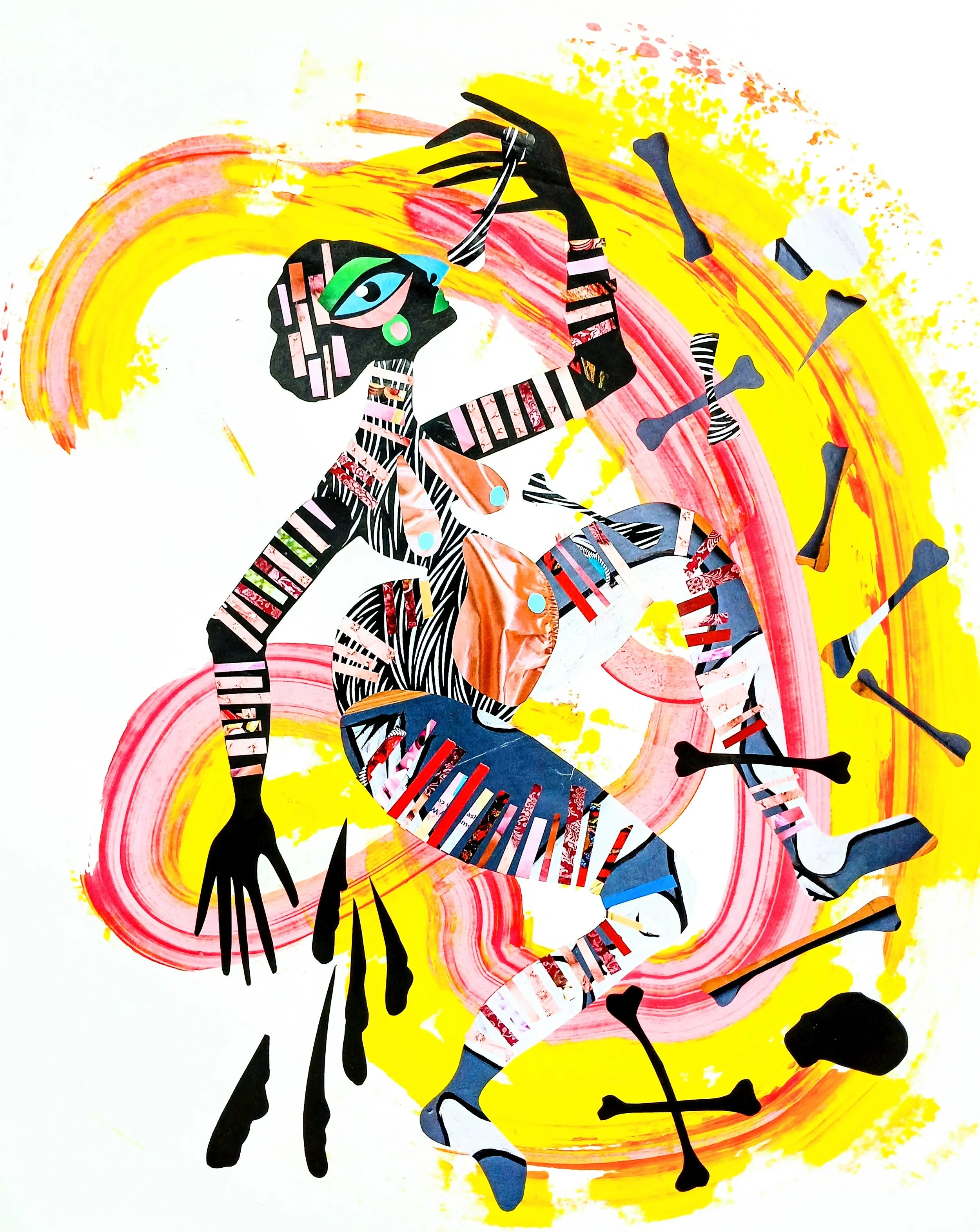
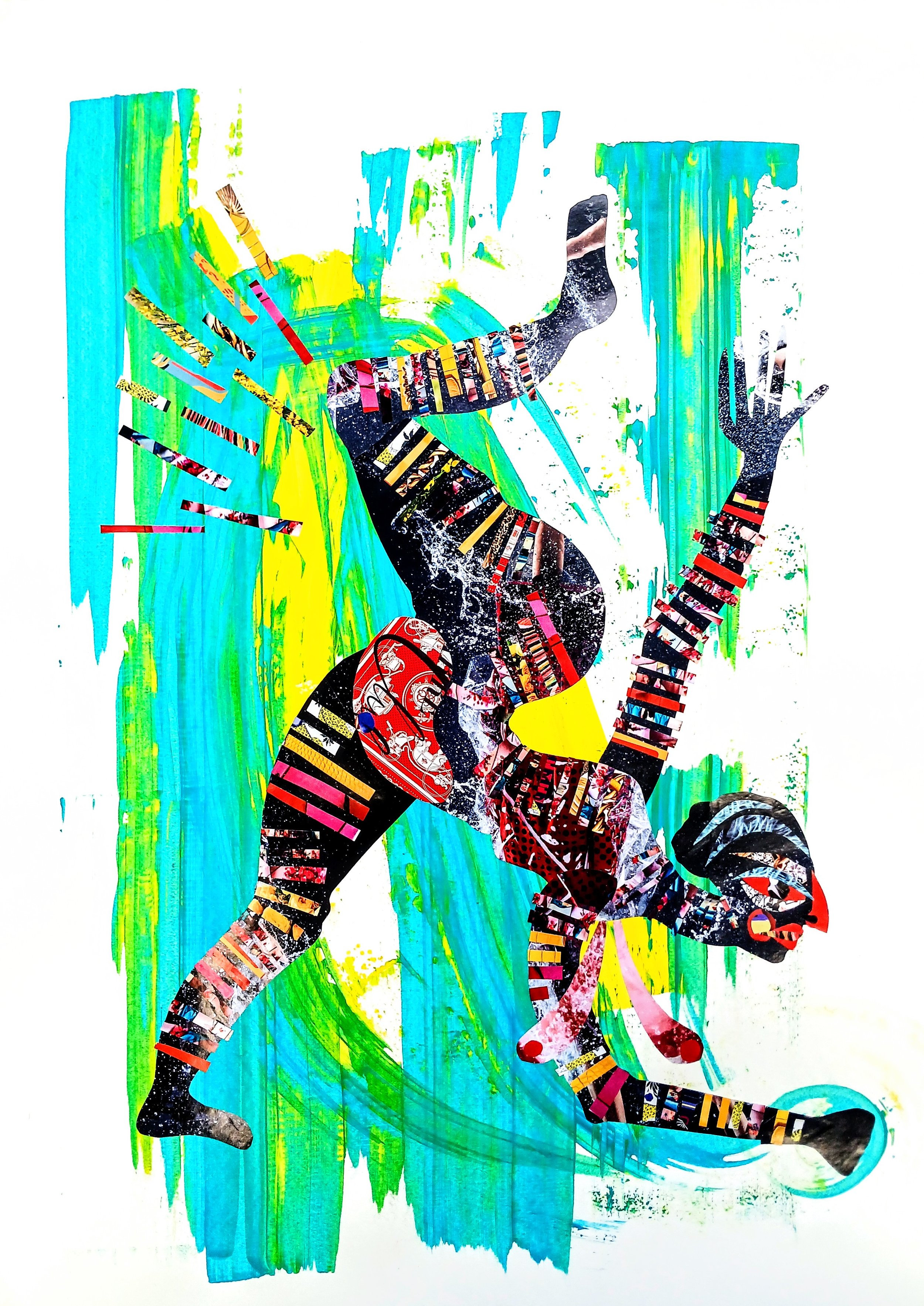
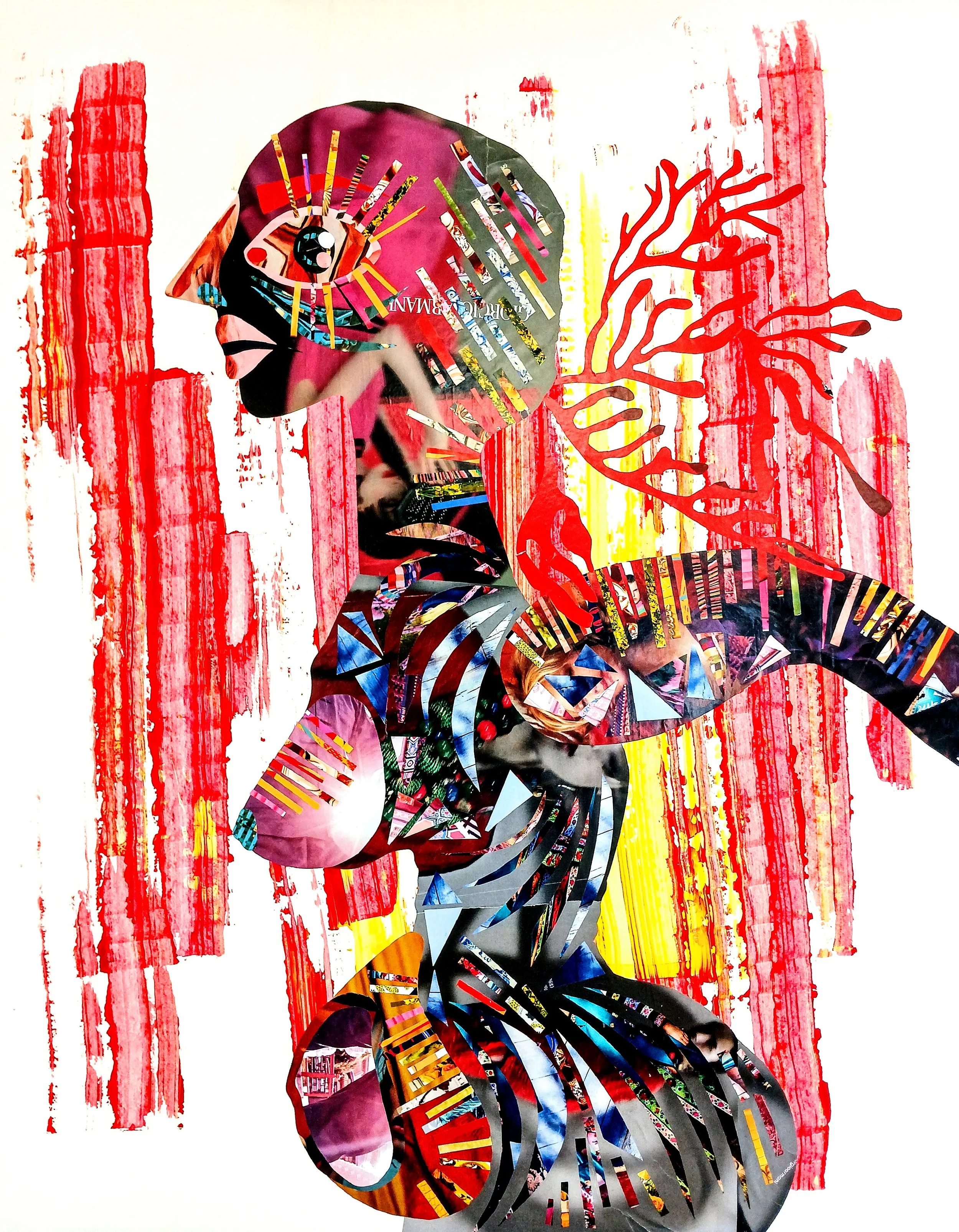
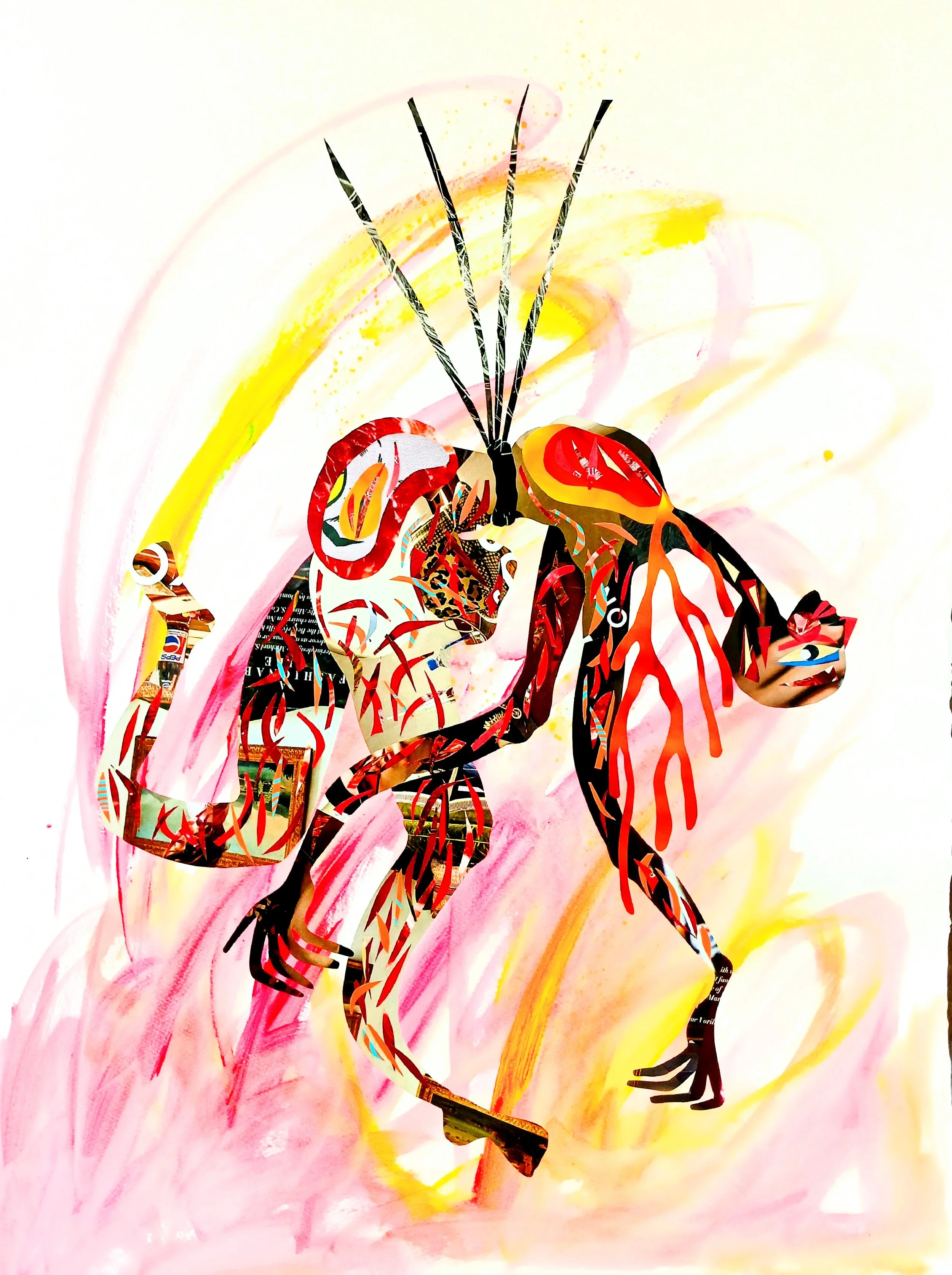
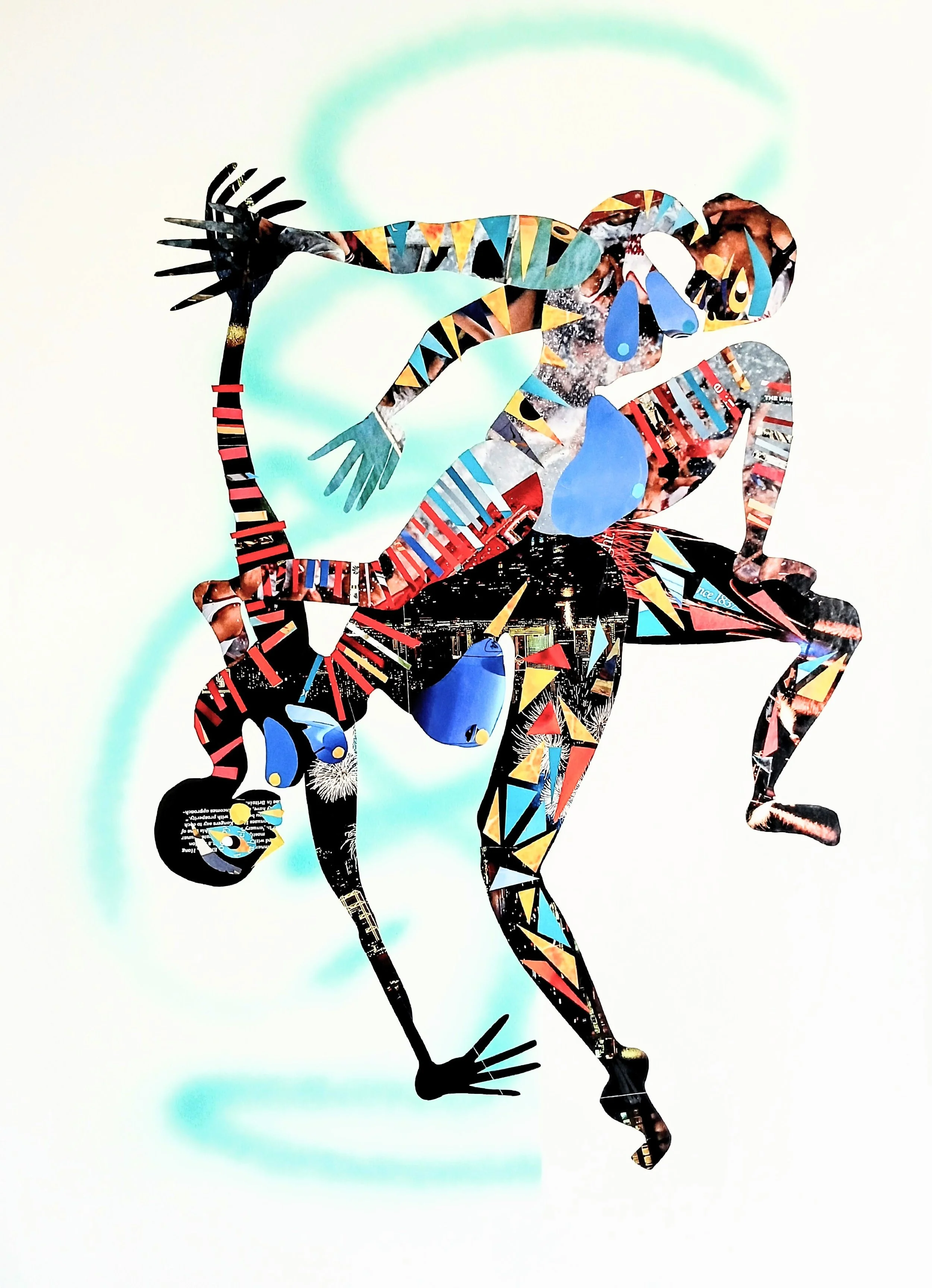
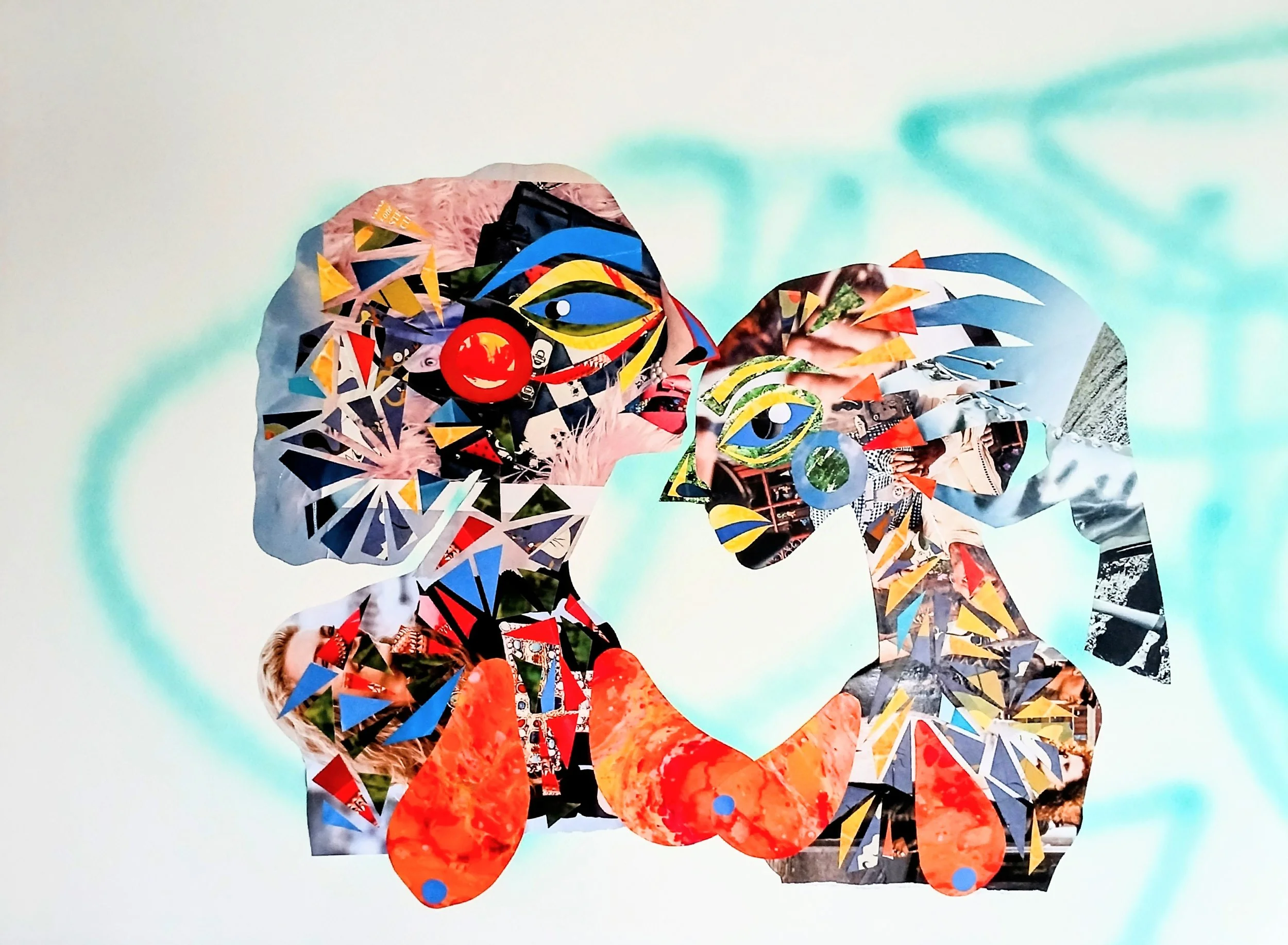
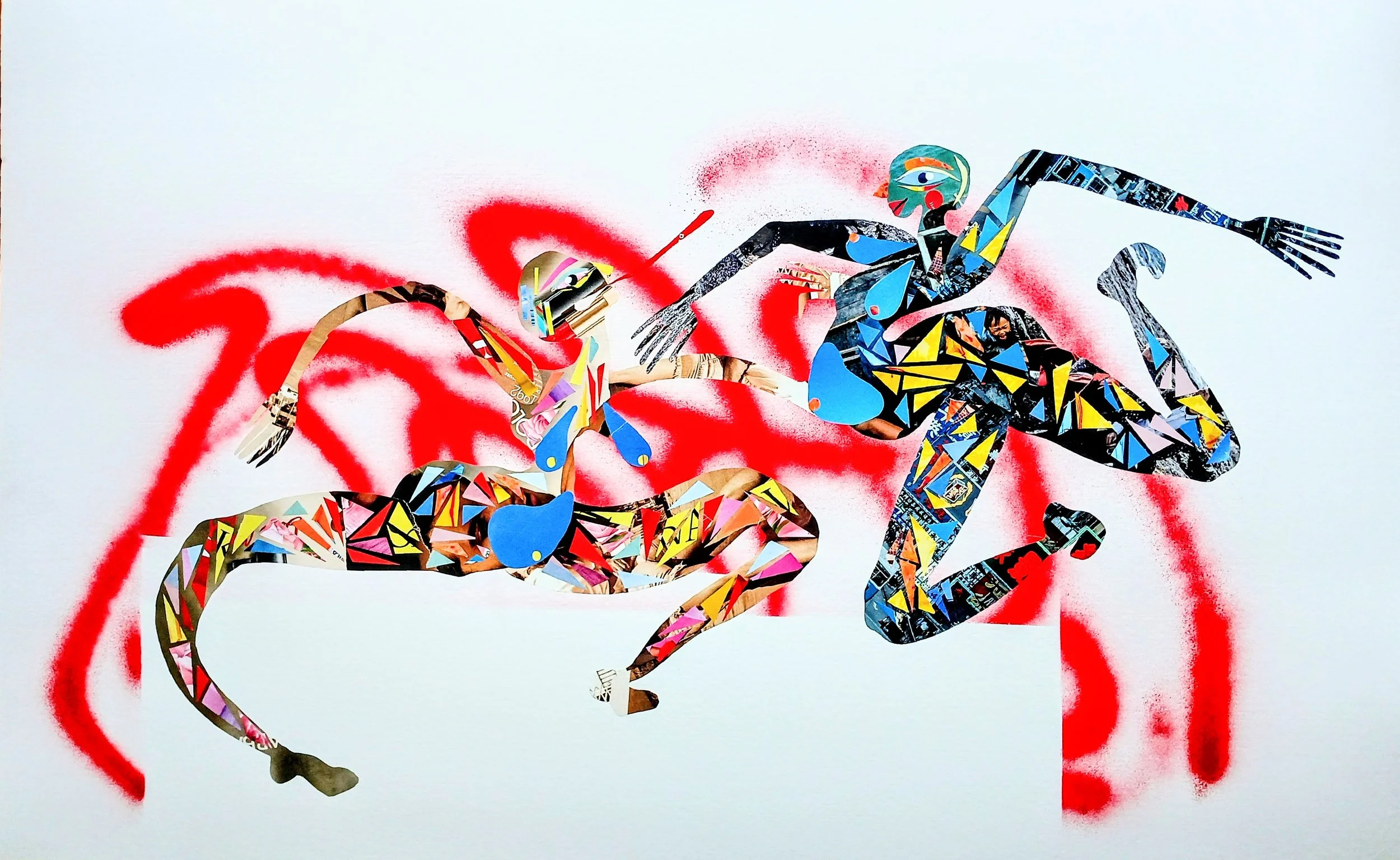
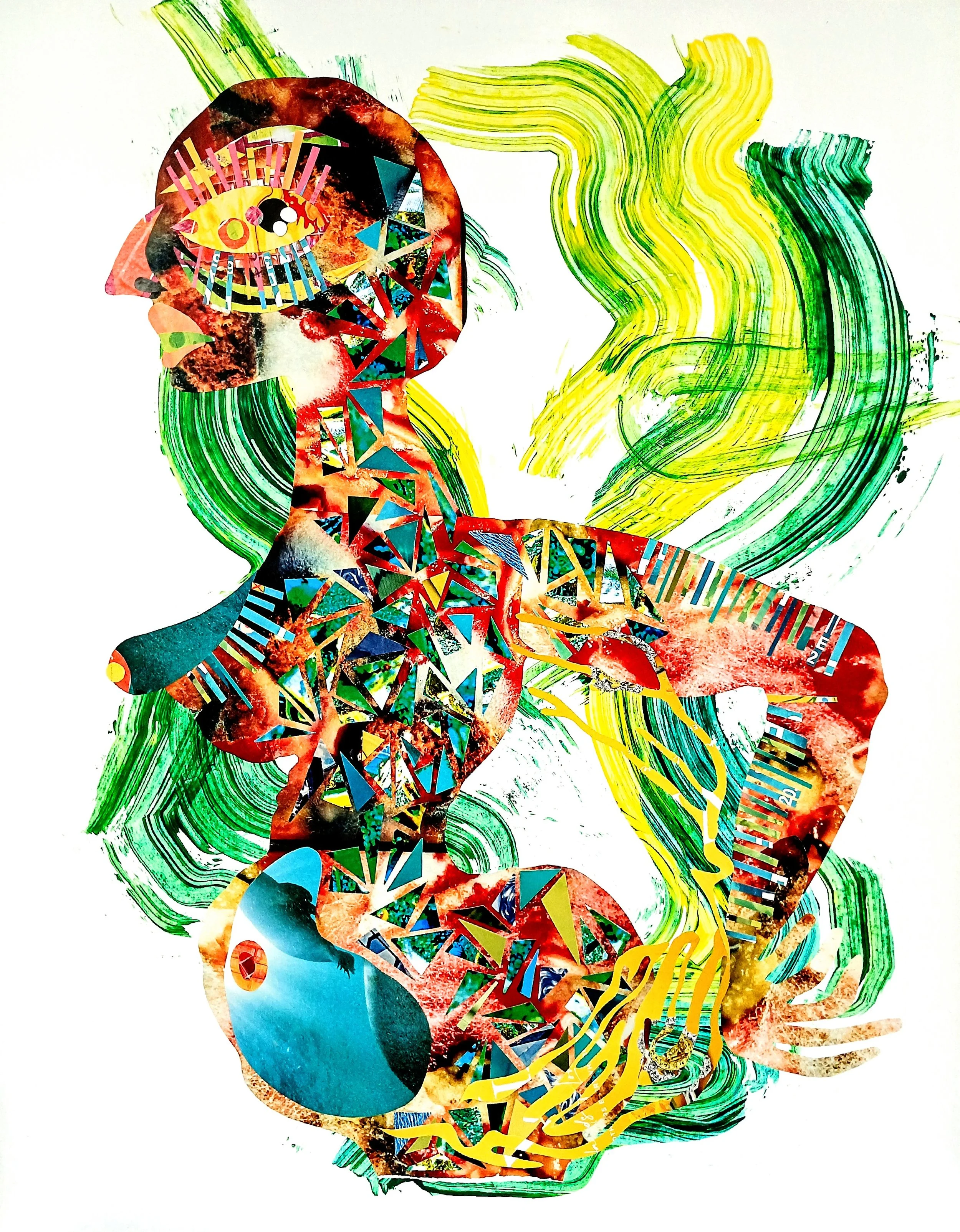
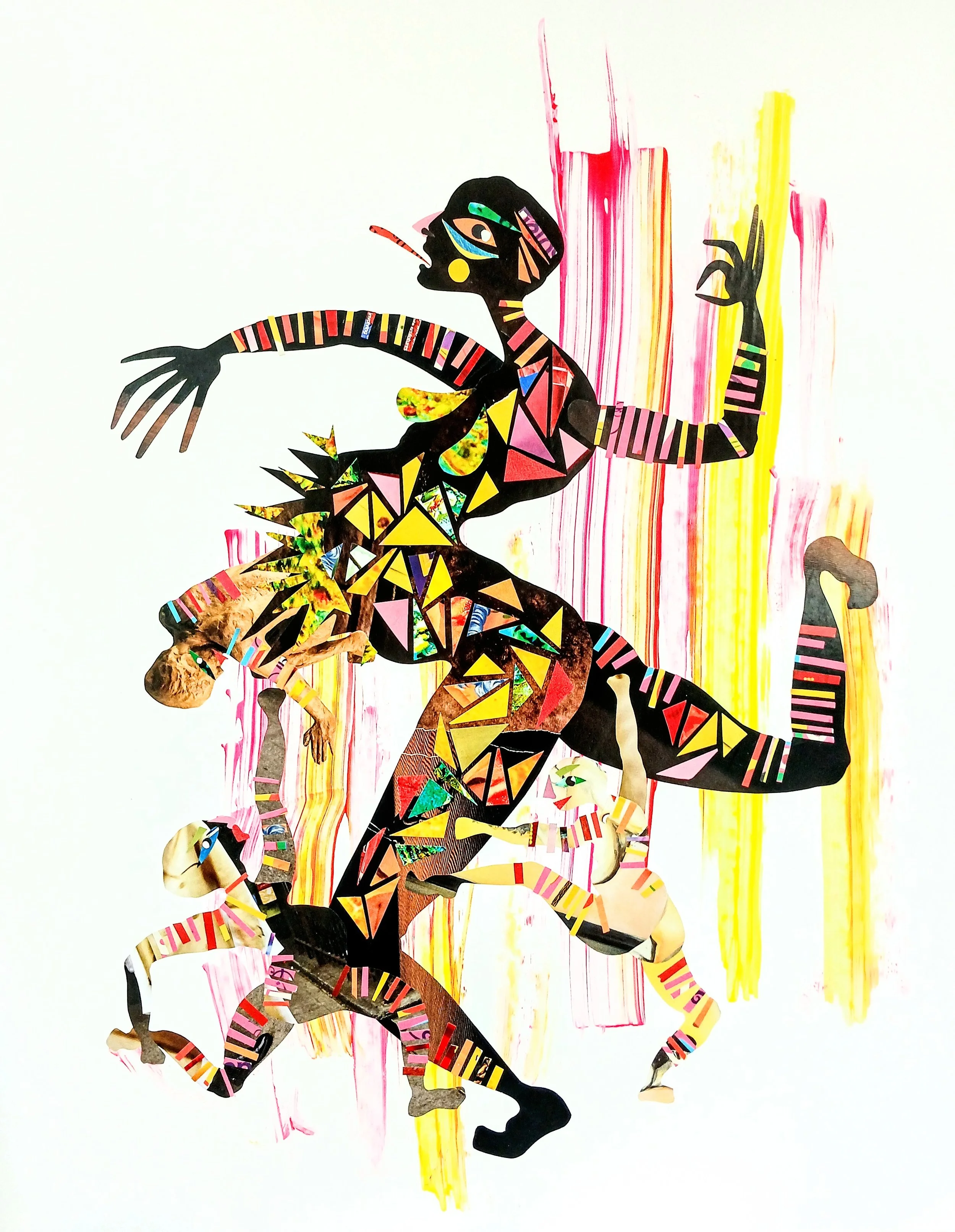
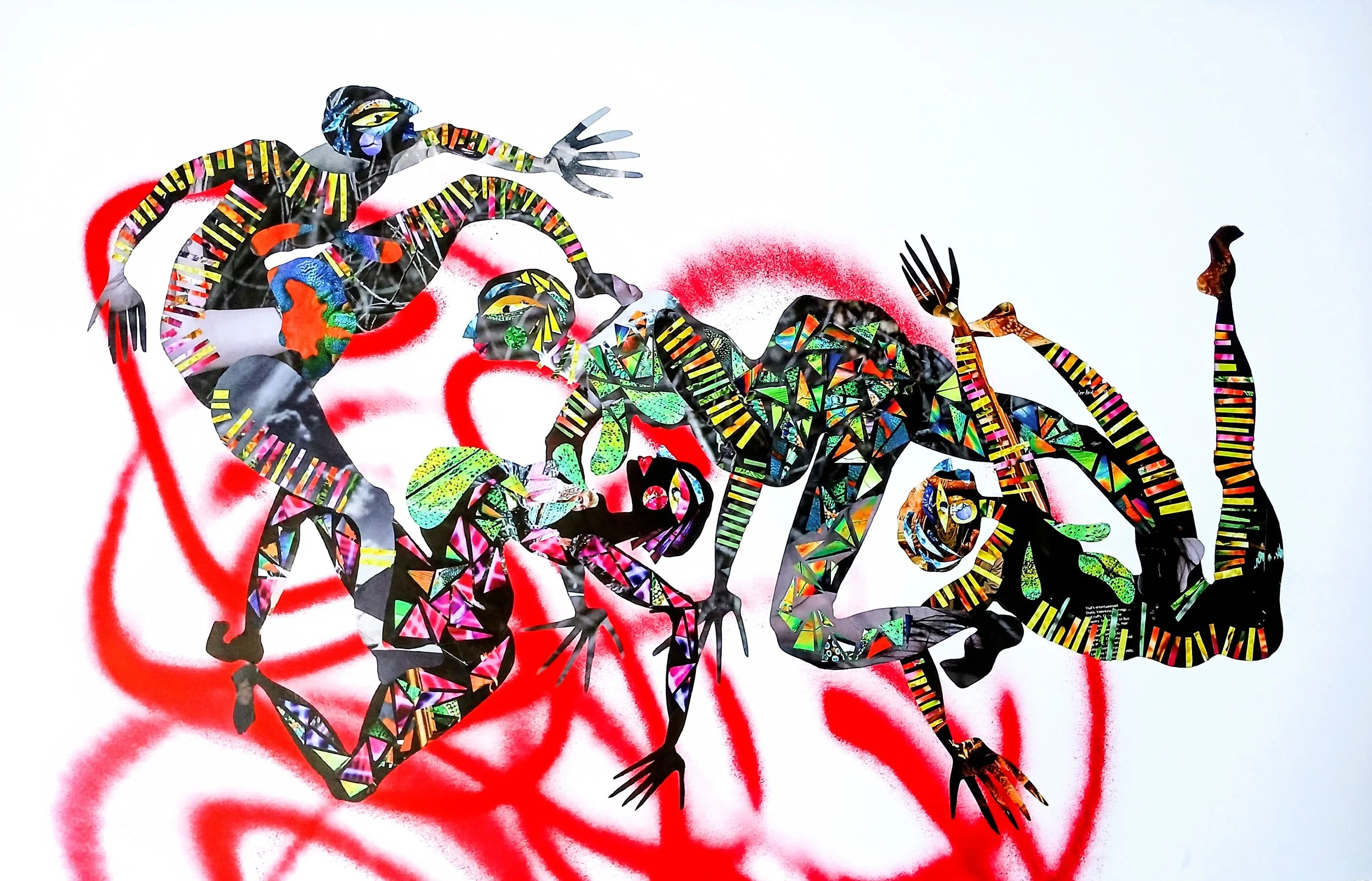
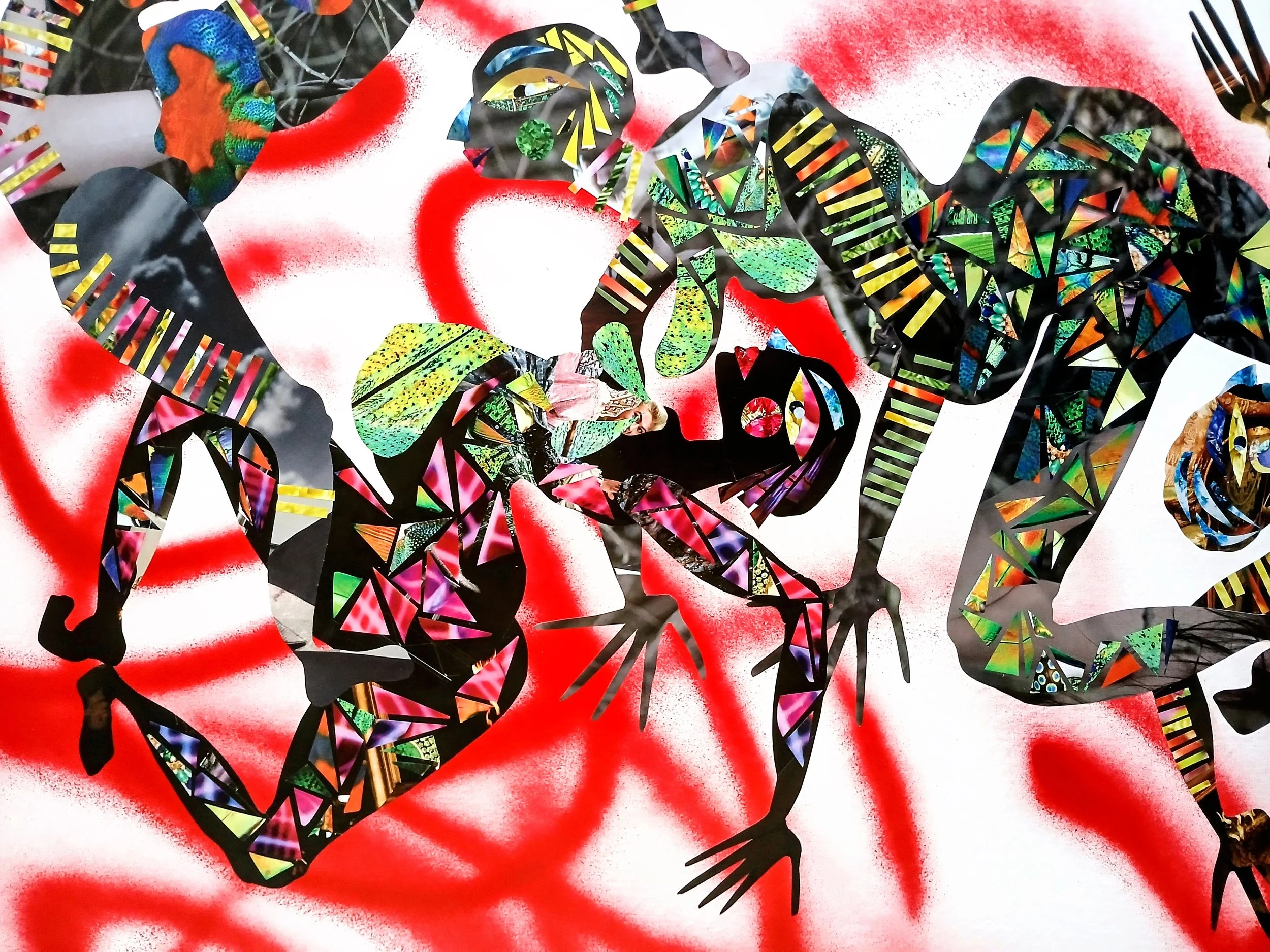
Violence has been one of the most persistent and culturally sanctioned subjects in the history of art. From mythological conquest and religious martyrdom to contemporary performance and photographic documentation, visual culture has repeatedly returned to scenes of bodily harm, domination, and suffering. Traditionally, these depictions have centered male heroism, divine justice, or moral instruction, often aestheticizing violence as noble, inevitable, or redemptive. Within this framework, violence is rarely questioned; instead, it is normalized through beauty, technical mastery, and narrative justification.
A feminist lens fundamentally disrupts this tradition. Rather than asking how well violence is depicted, feminist art history asks: Who is allowed to commit violence? Who receives it? Who witnesses it? And whose pain is rendered meaningful or disposable? Feminine rage, in particular, has historically been excluded or demonized in art, framed as hysteria, monstrosity, or moral failure. Contemporary feminist practices reclaim rage not as spectacle, but as voice, resistance, and survival.
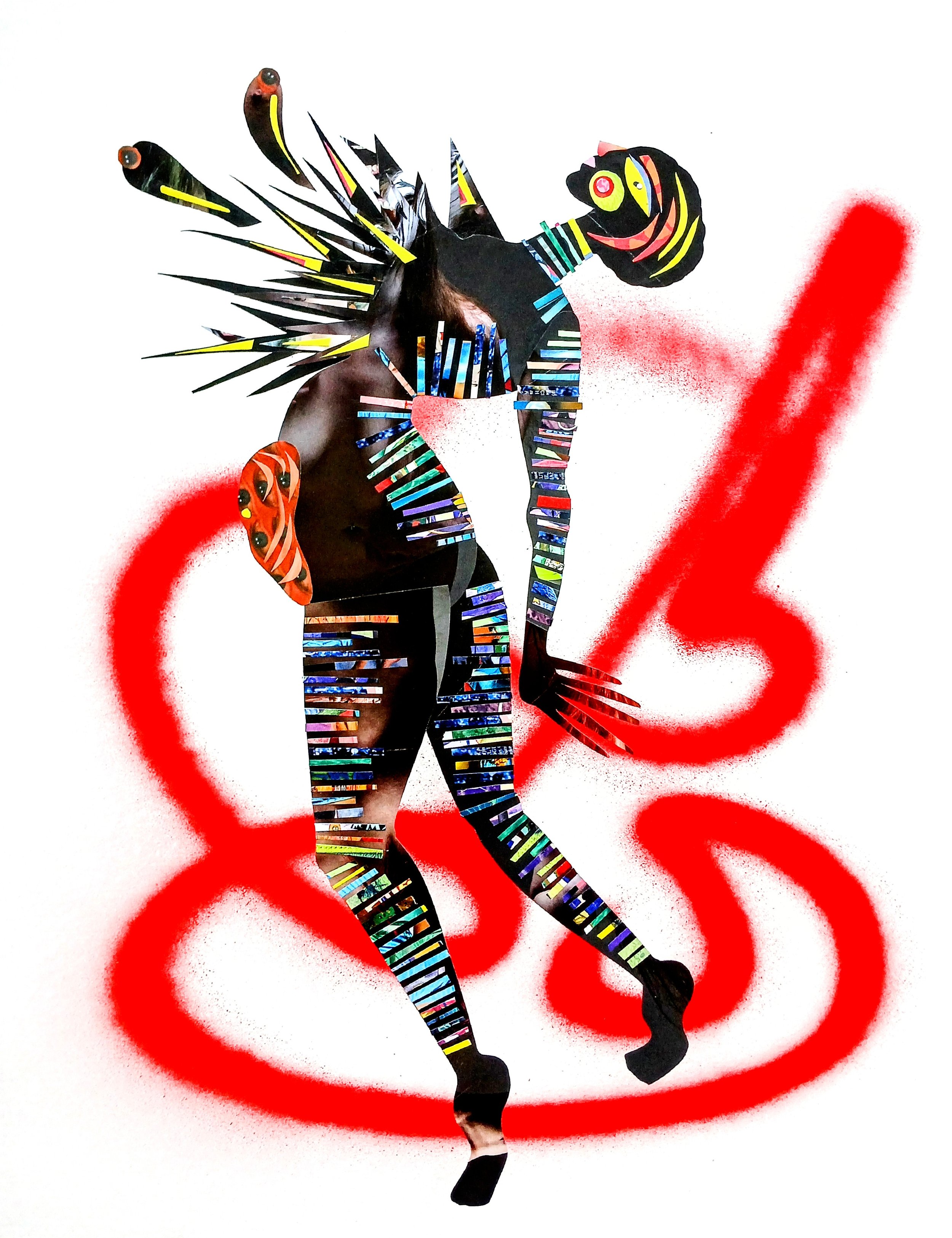
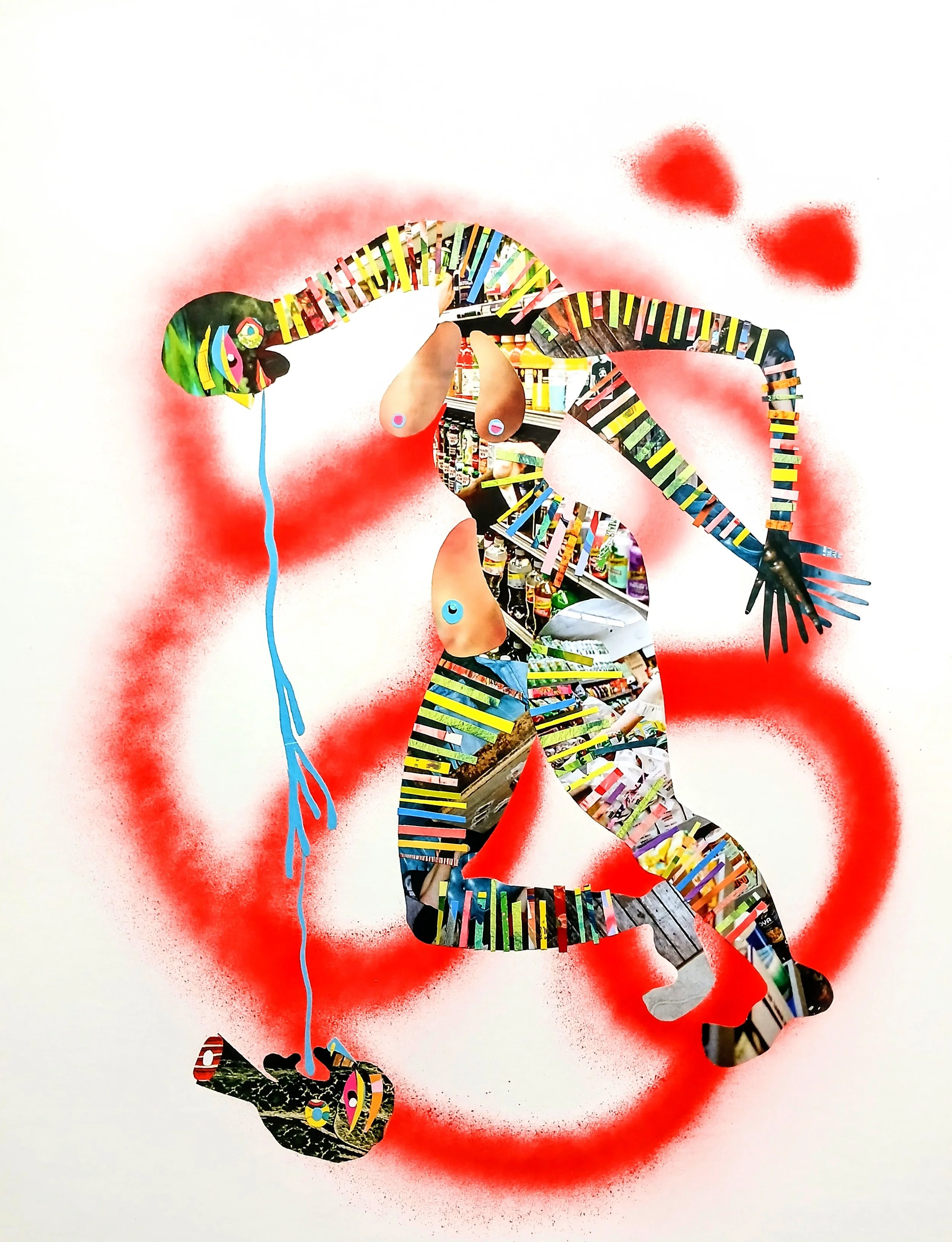
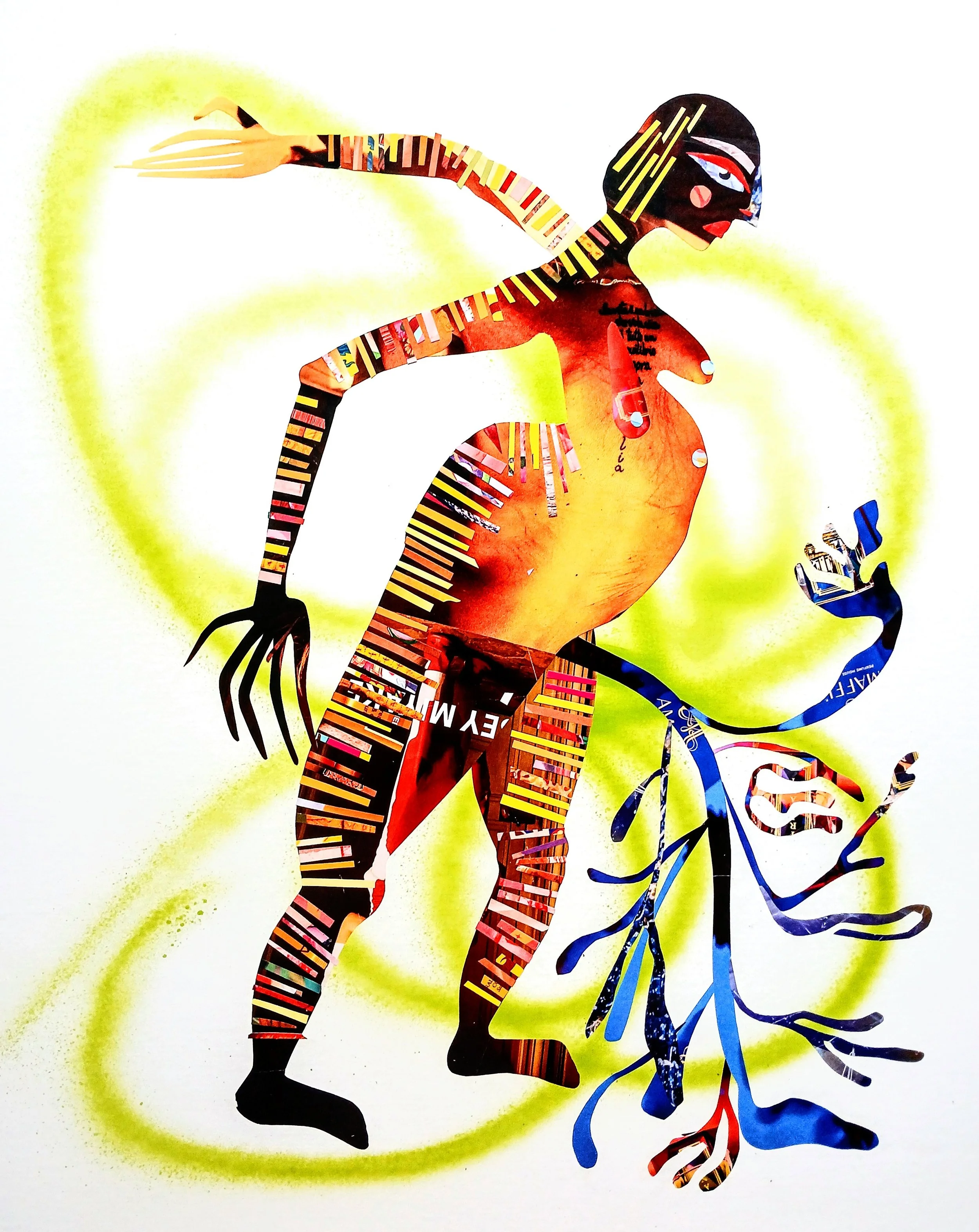
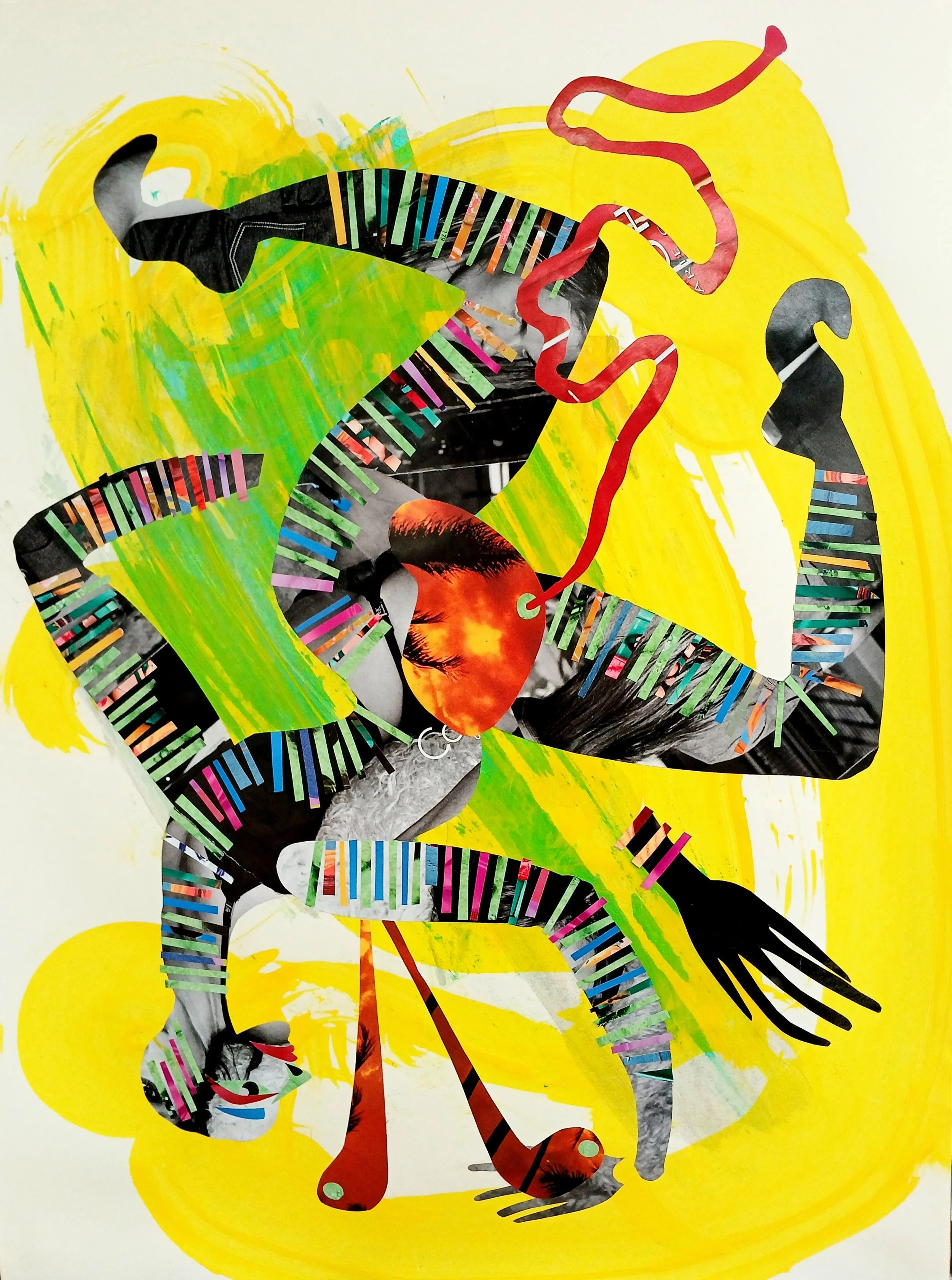
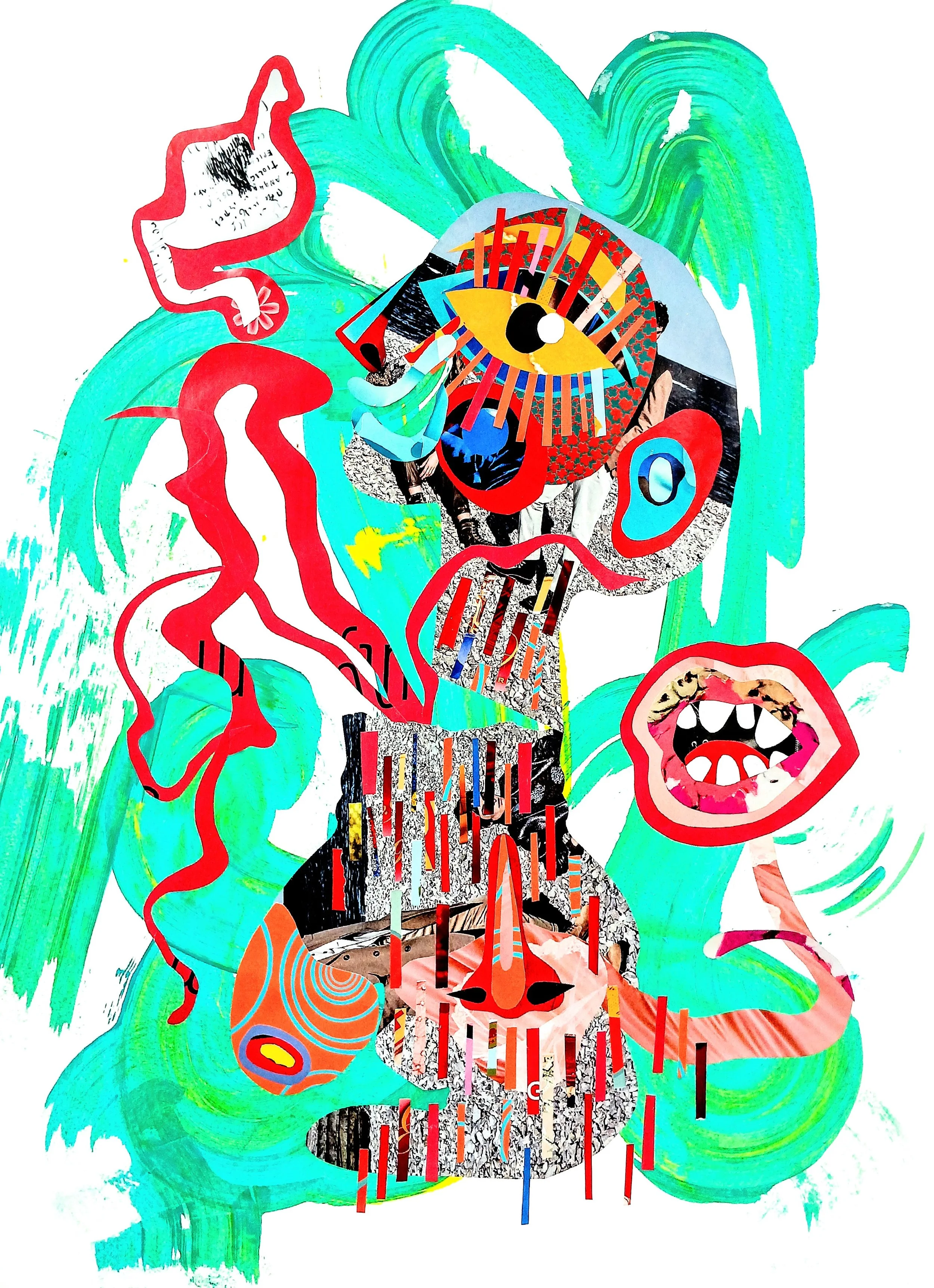
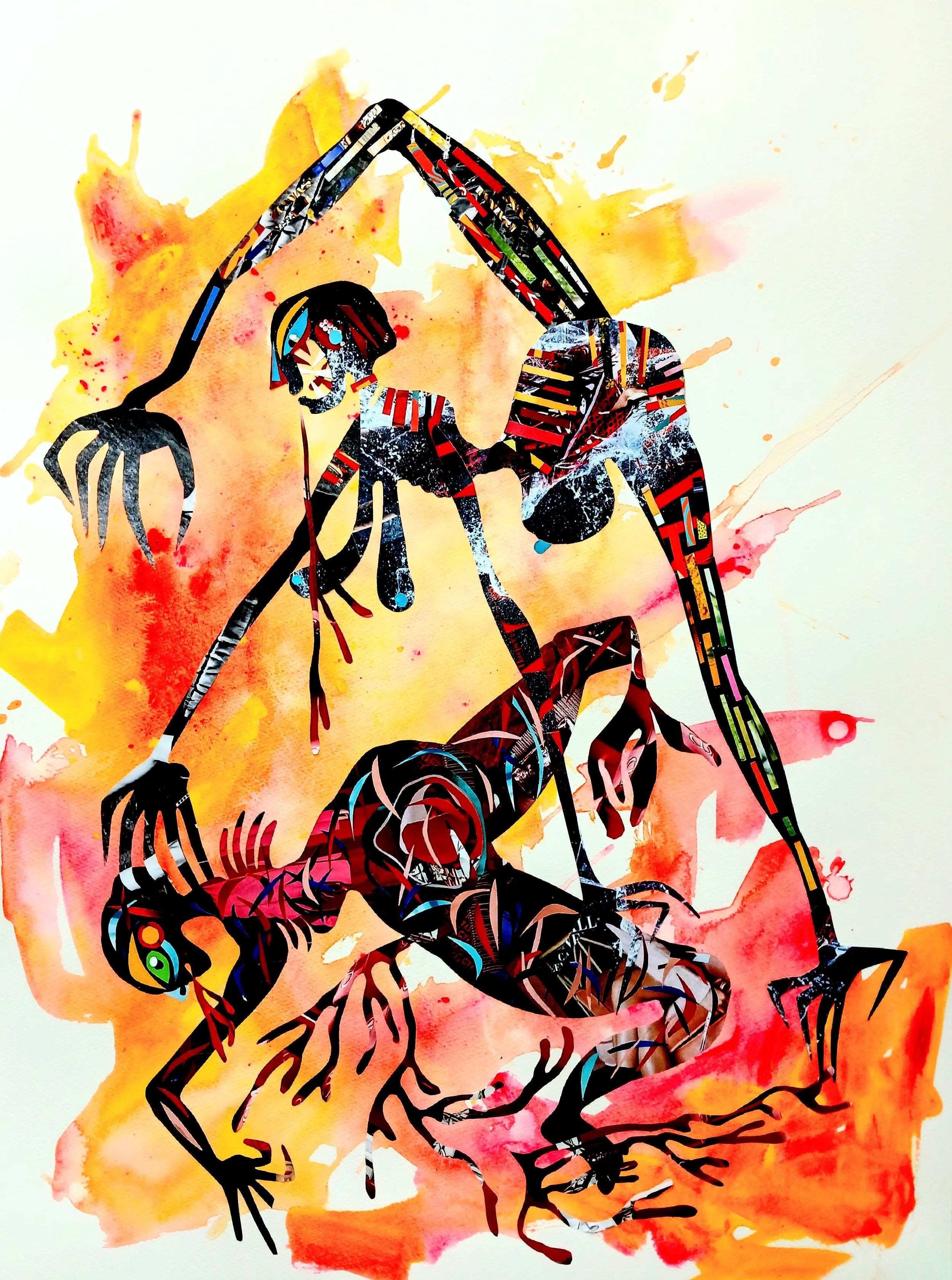
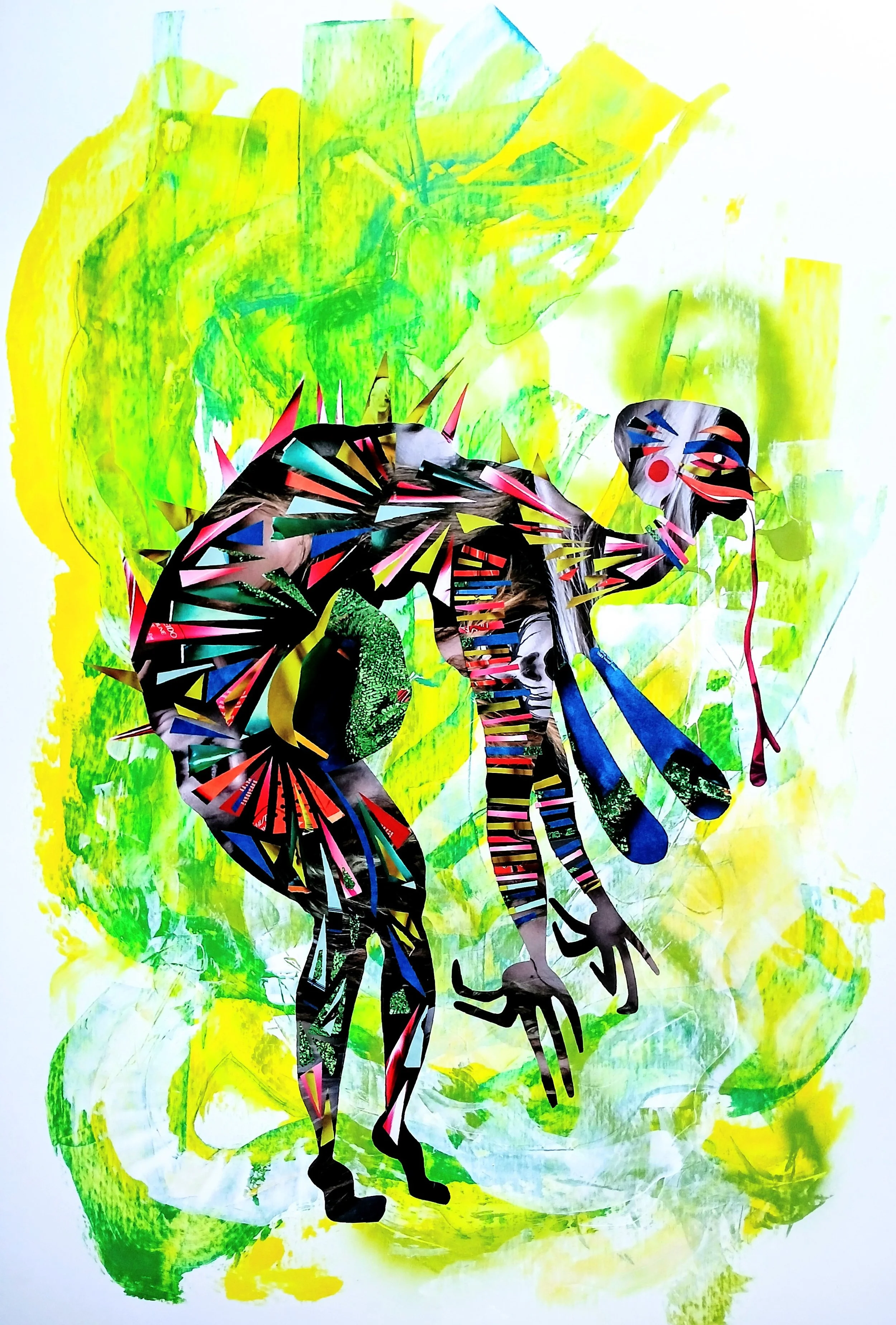
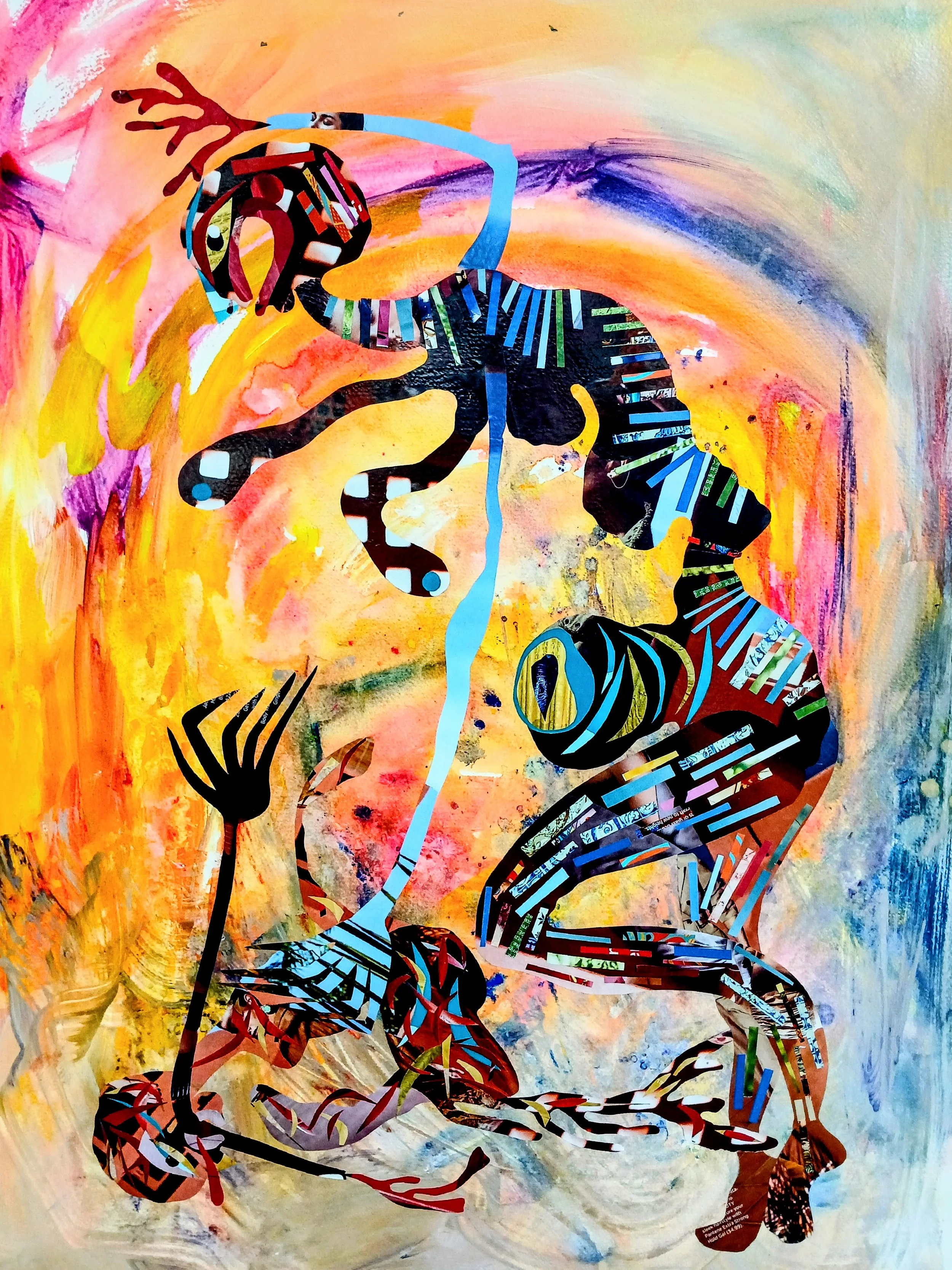
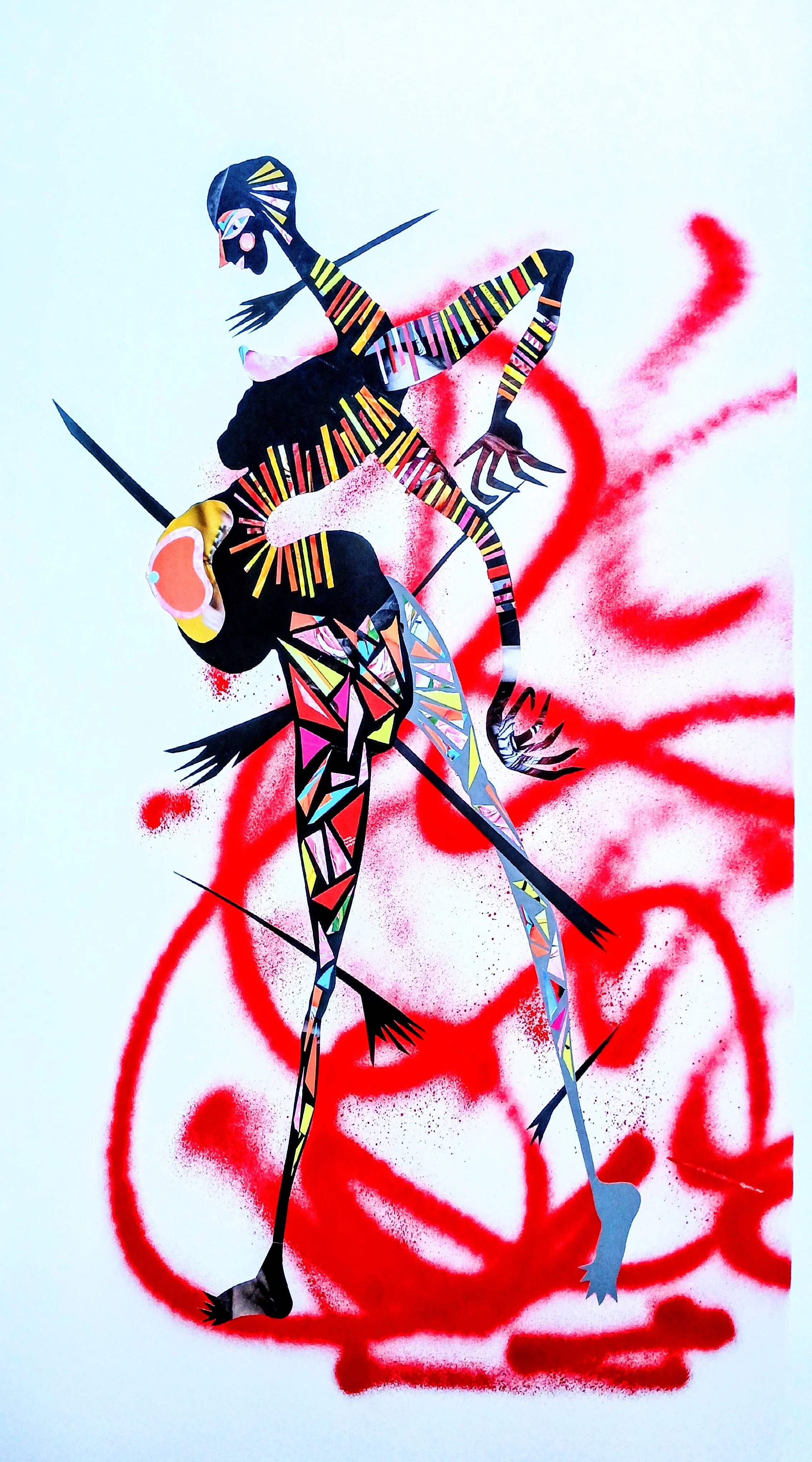
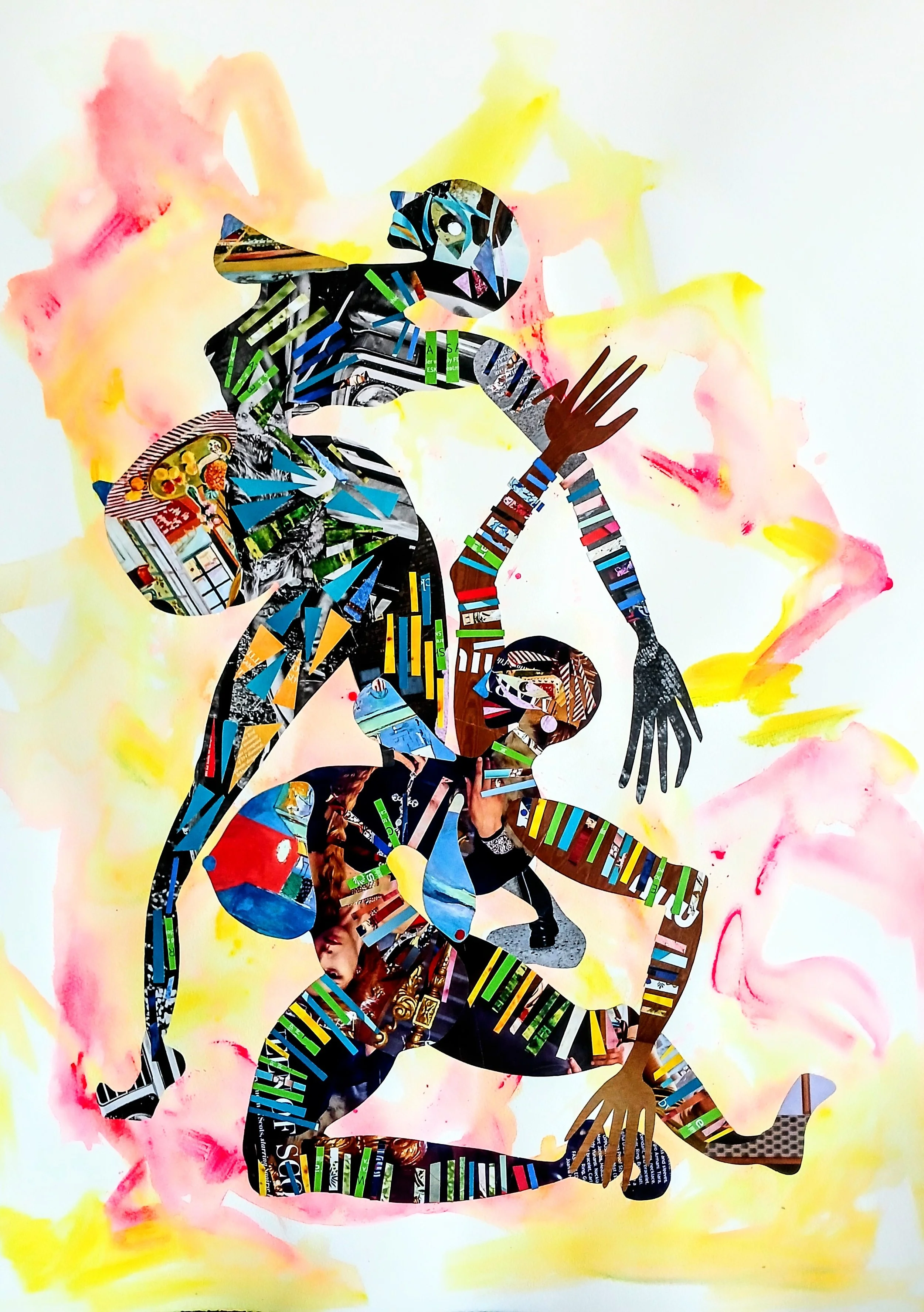
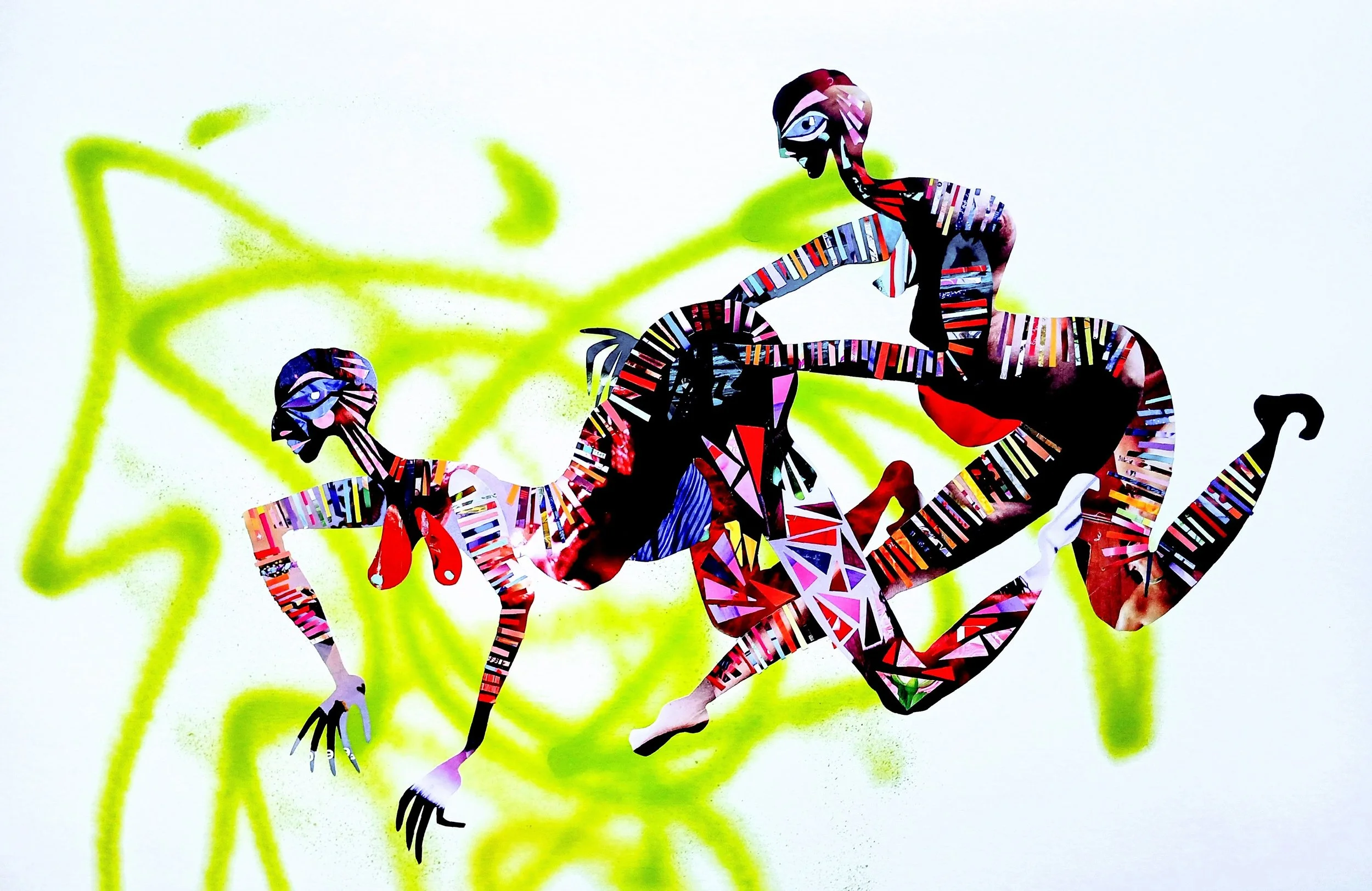
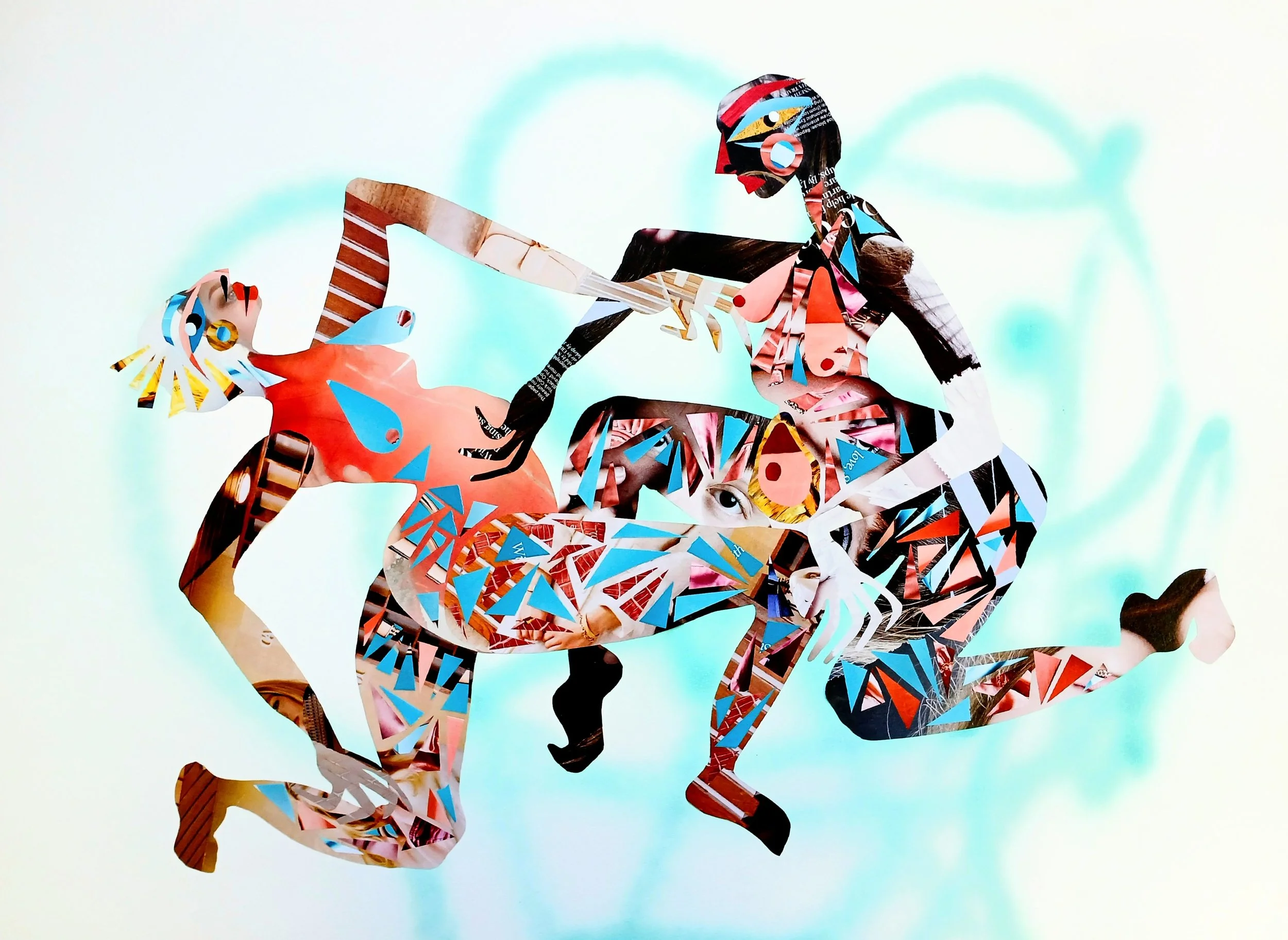
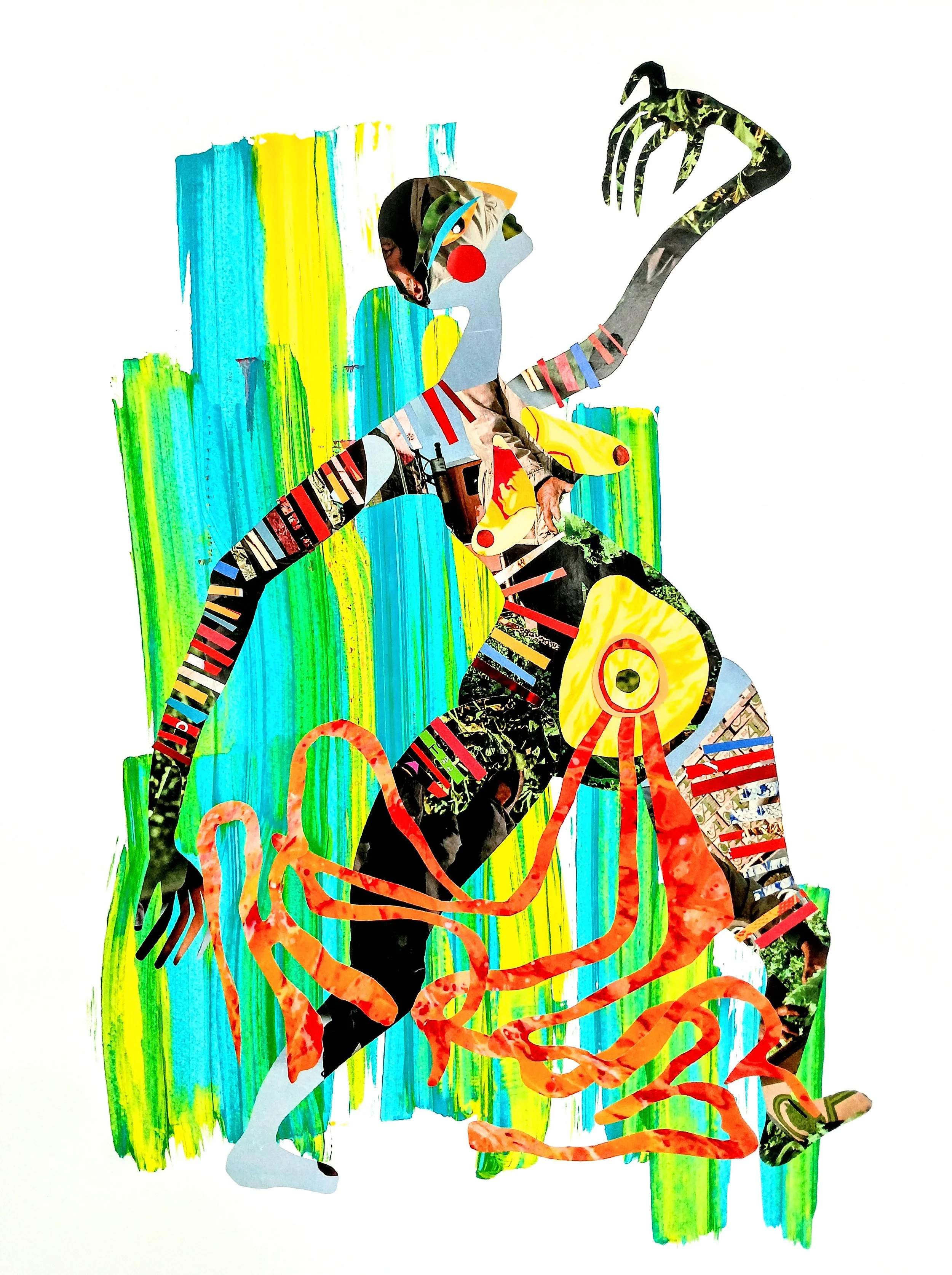
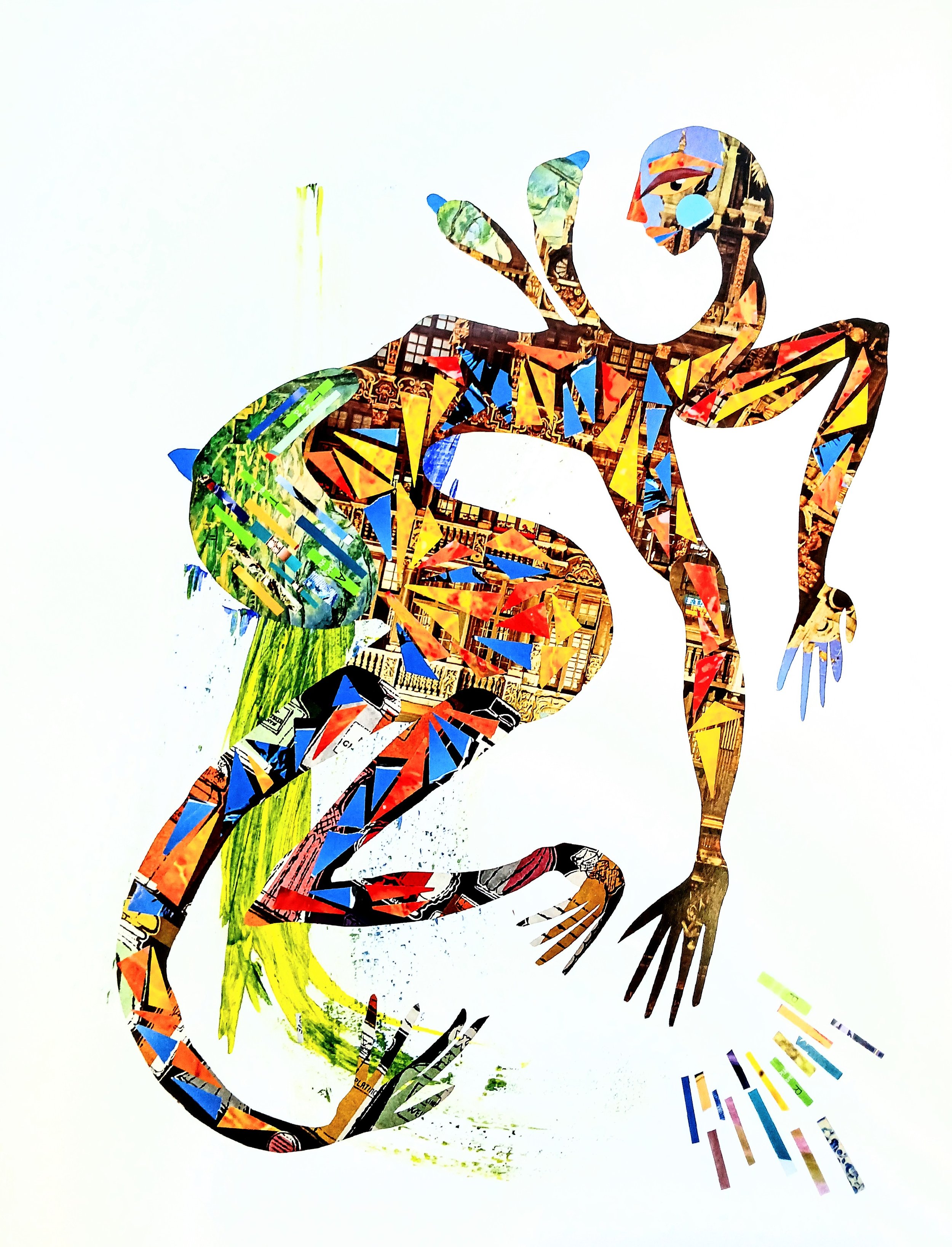
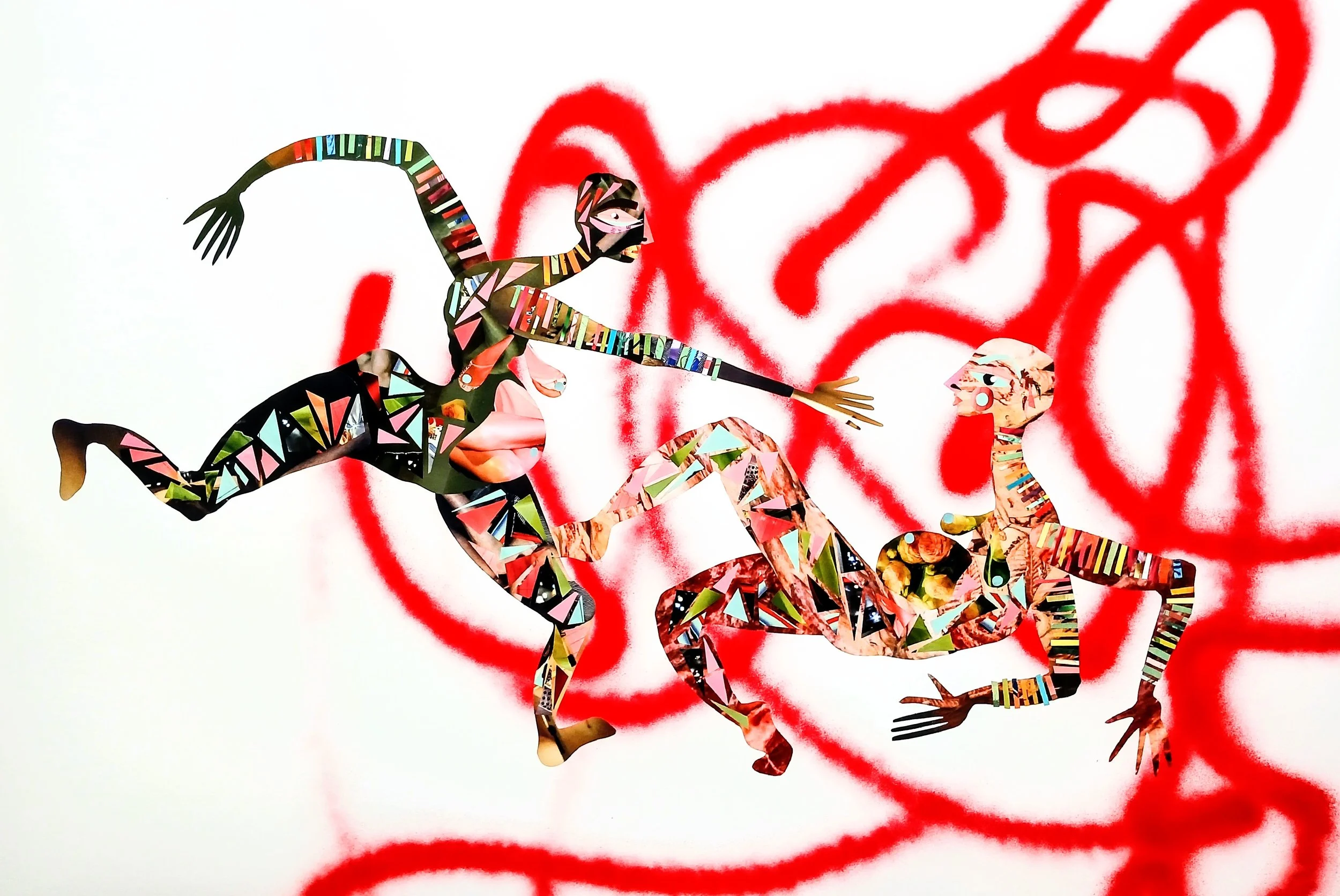
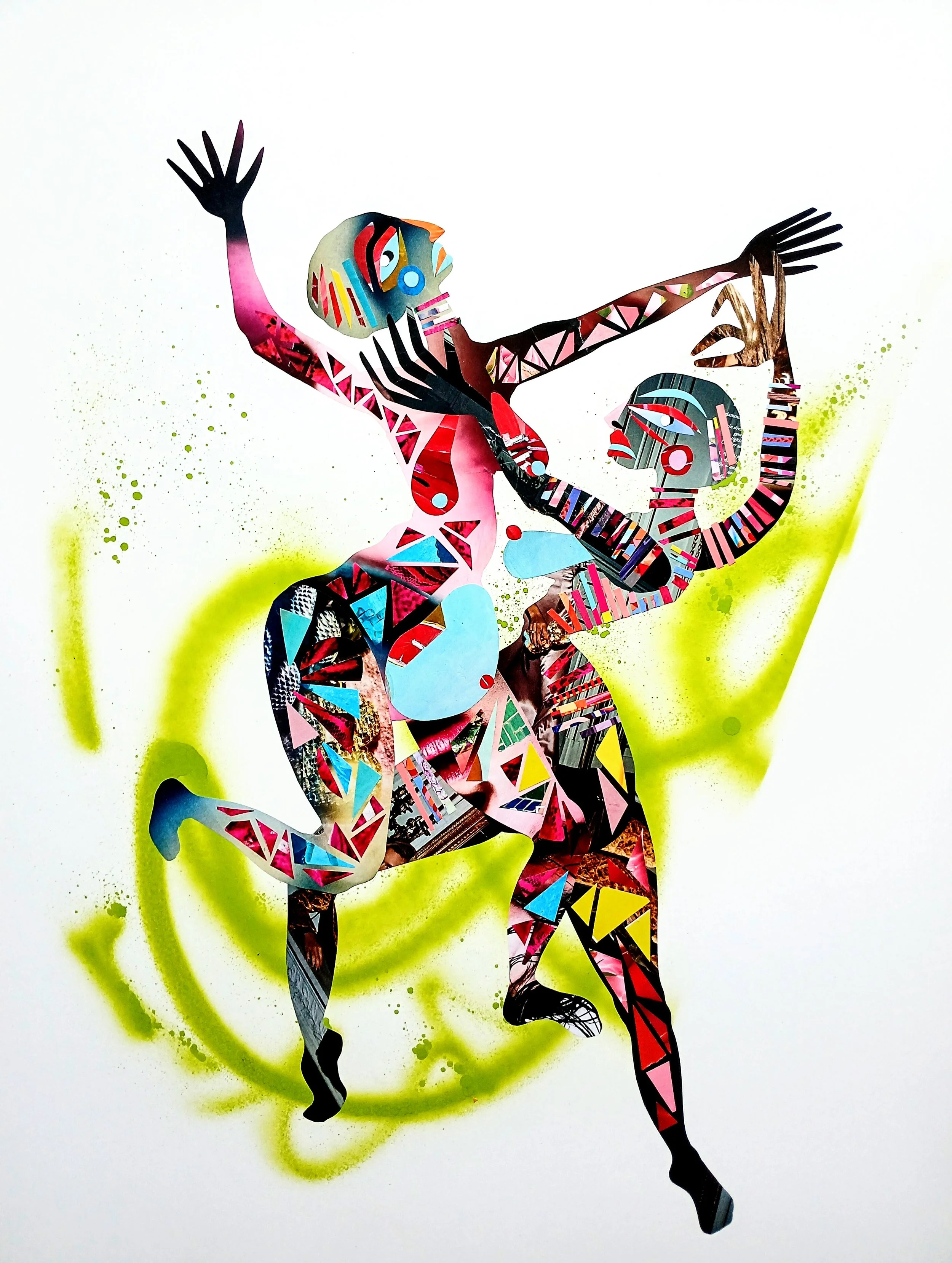
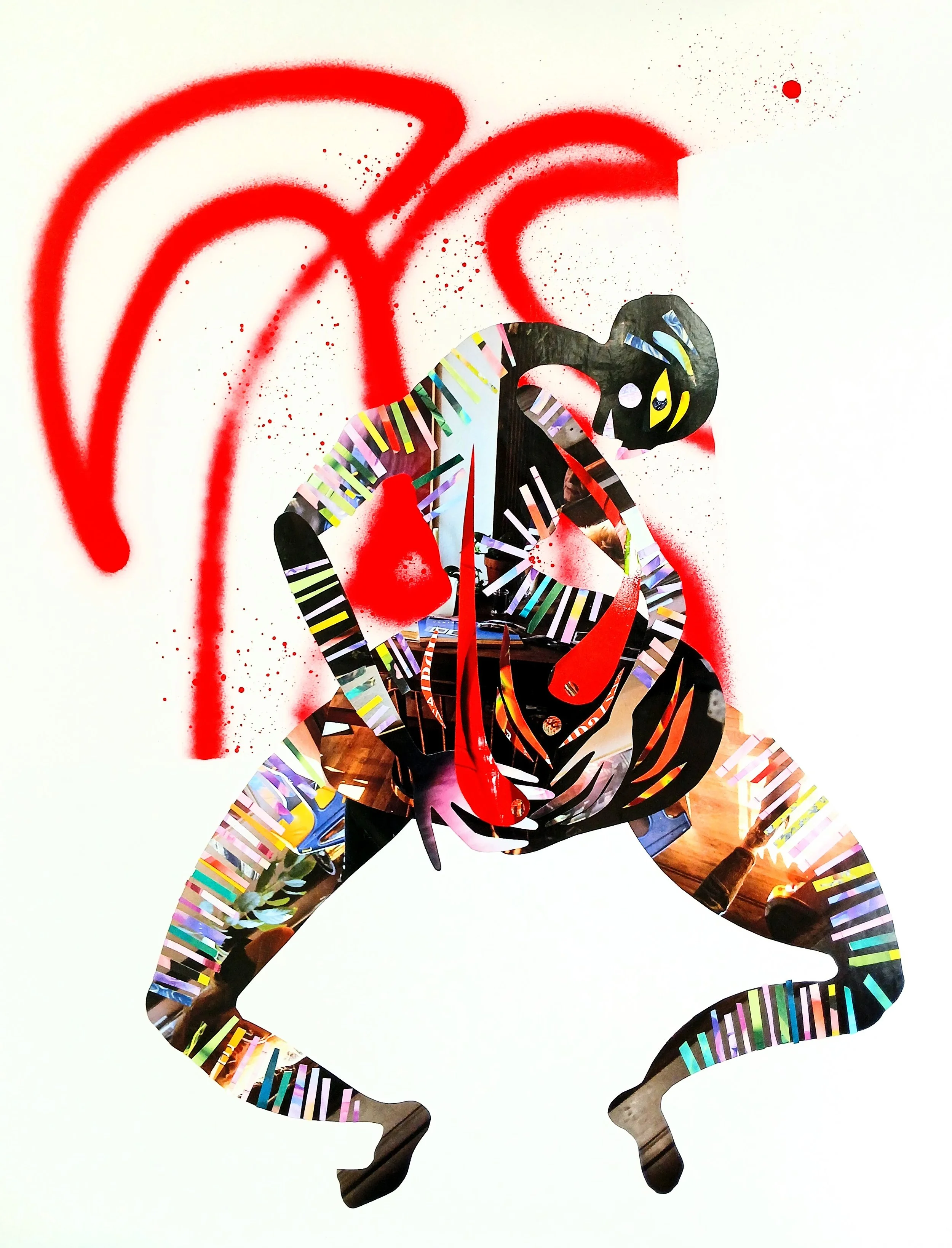
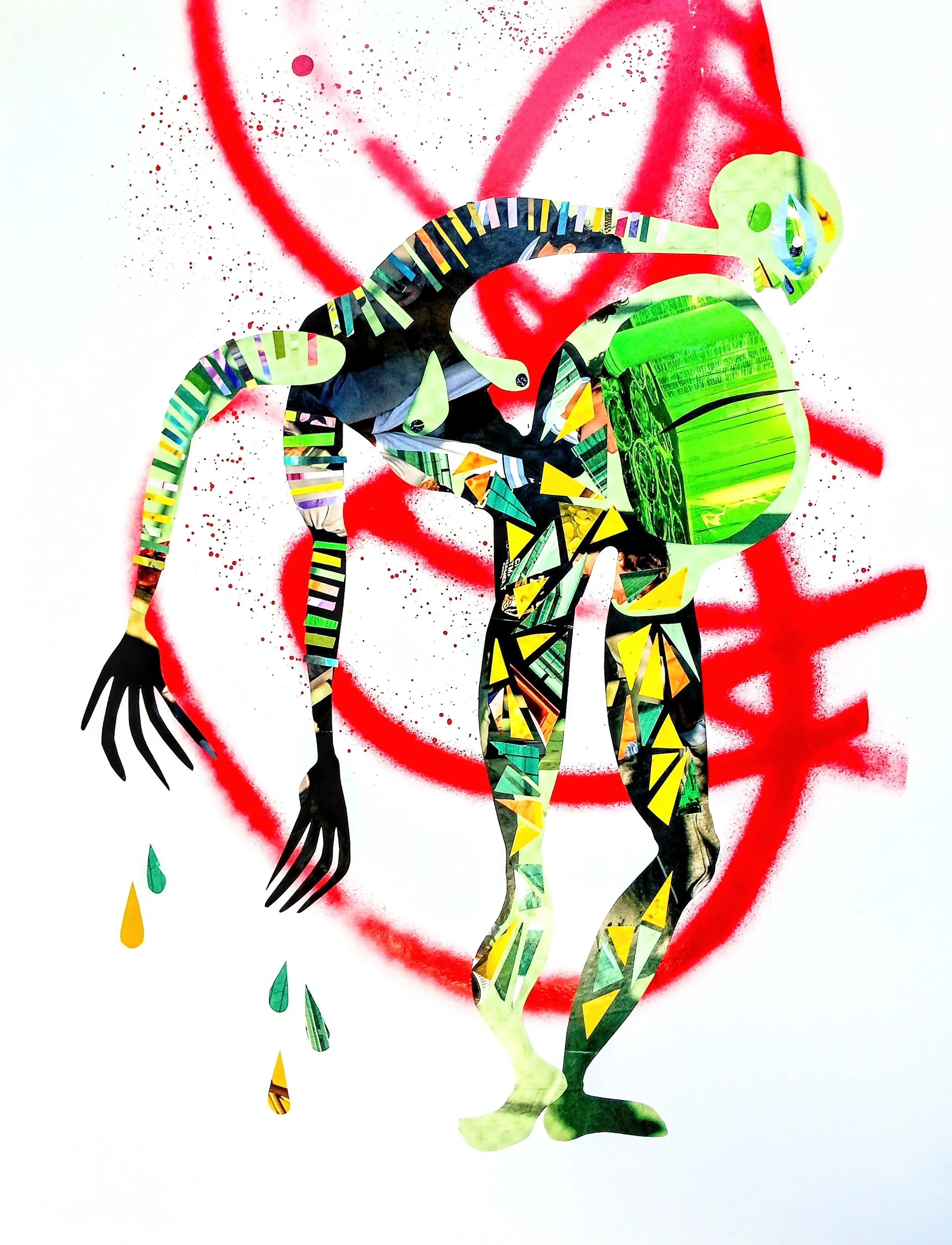
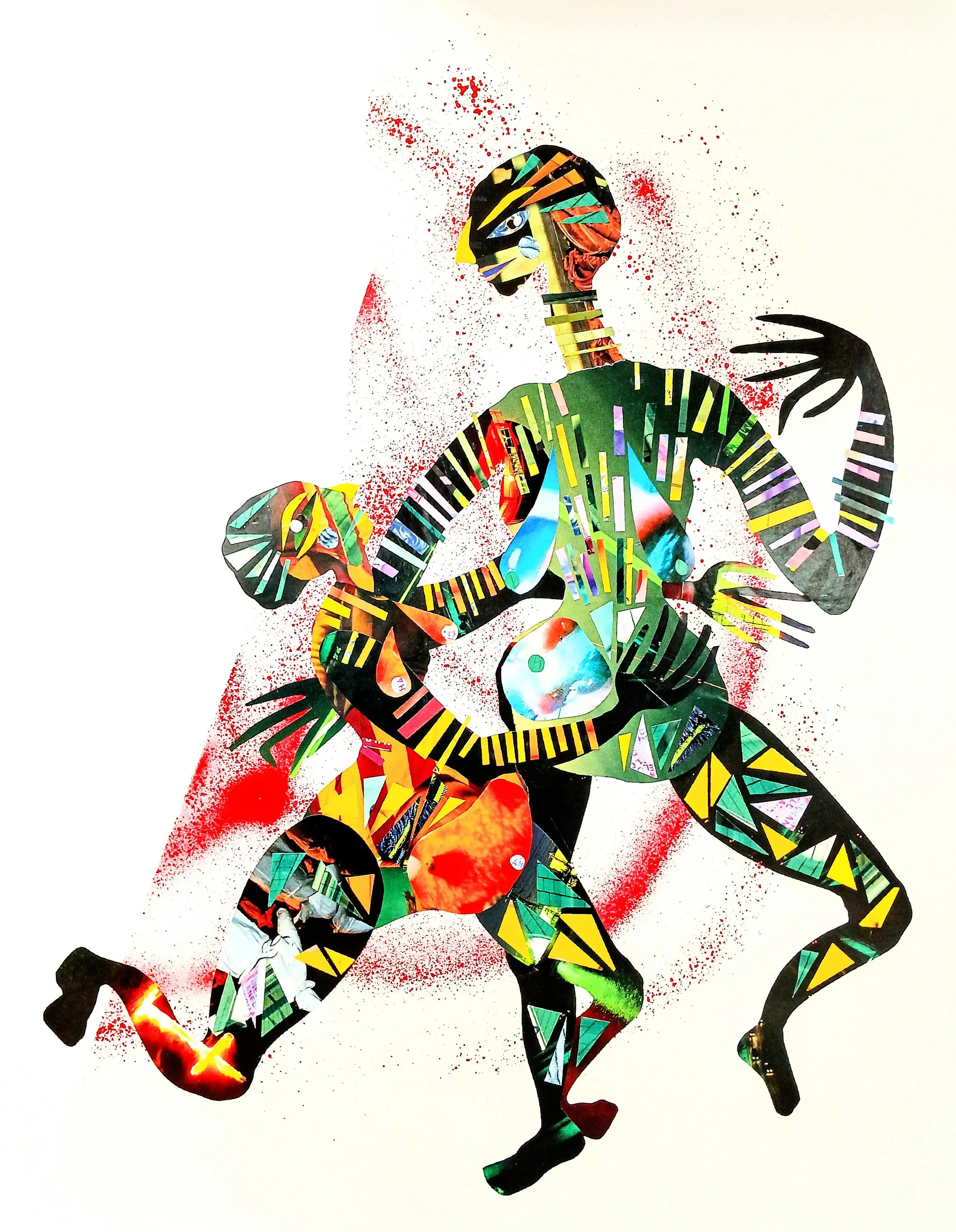
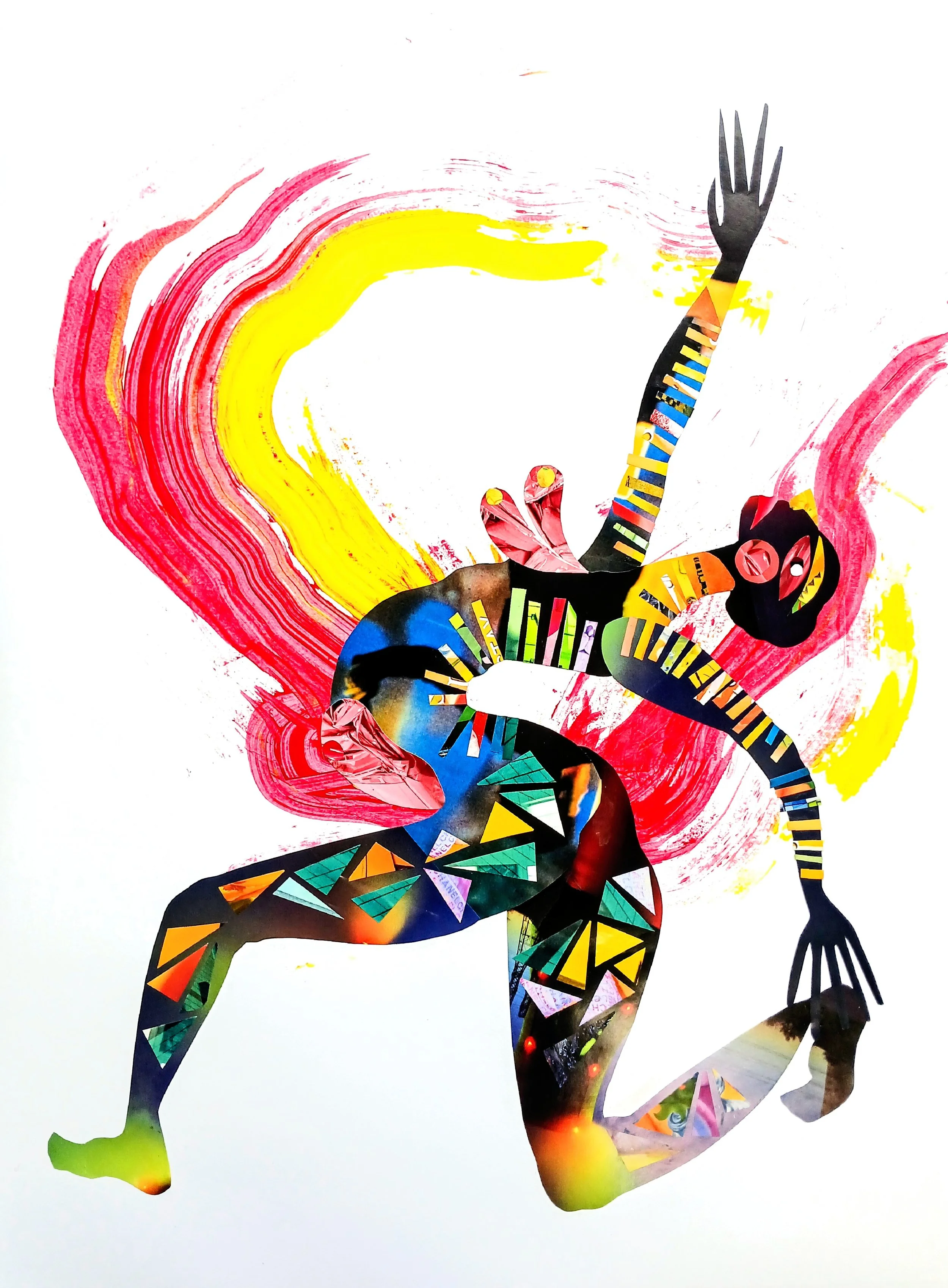
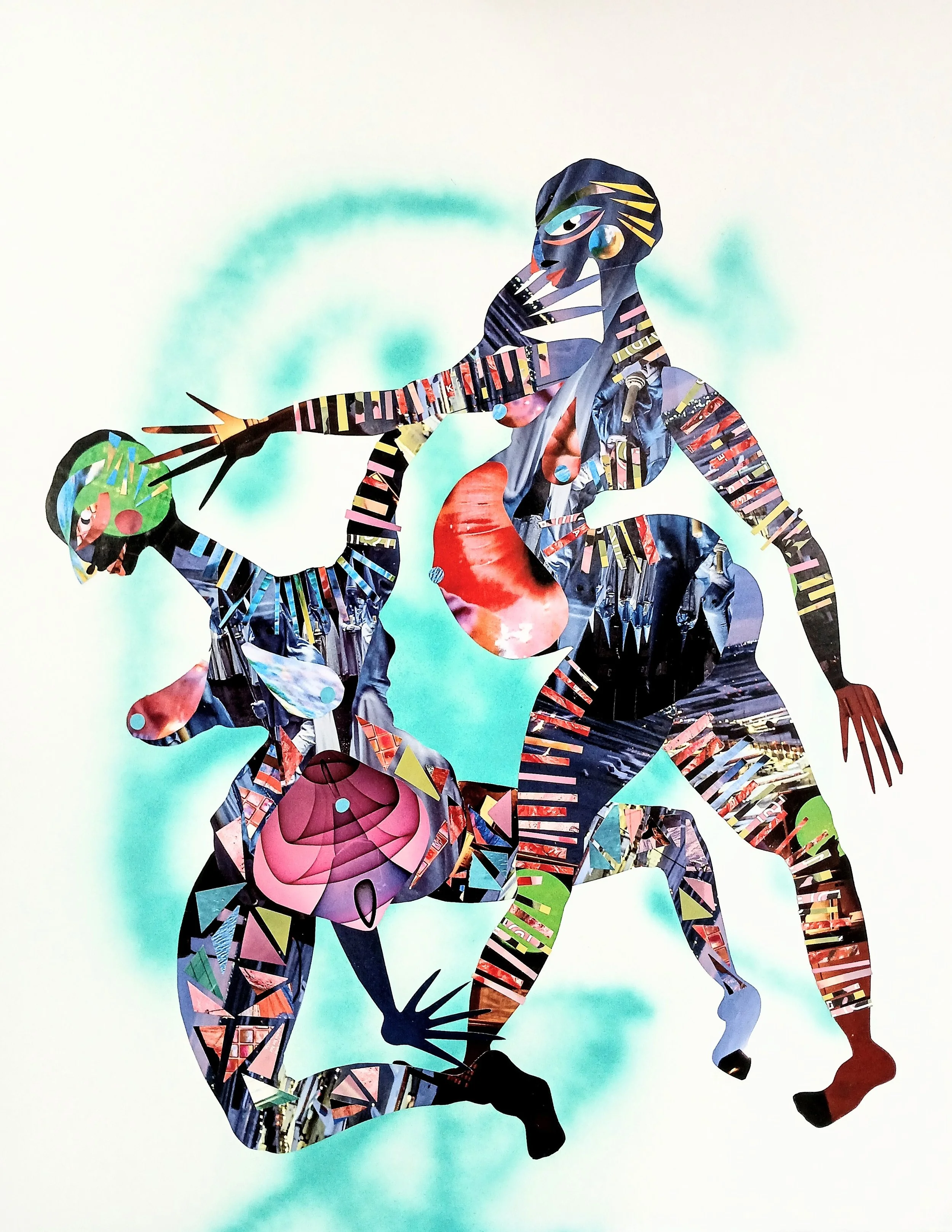
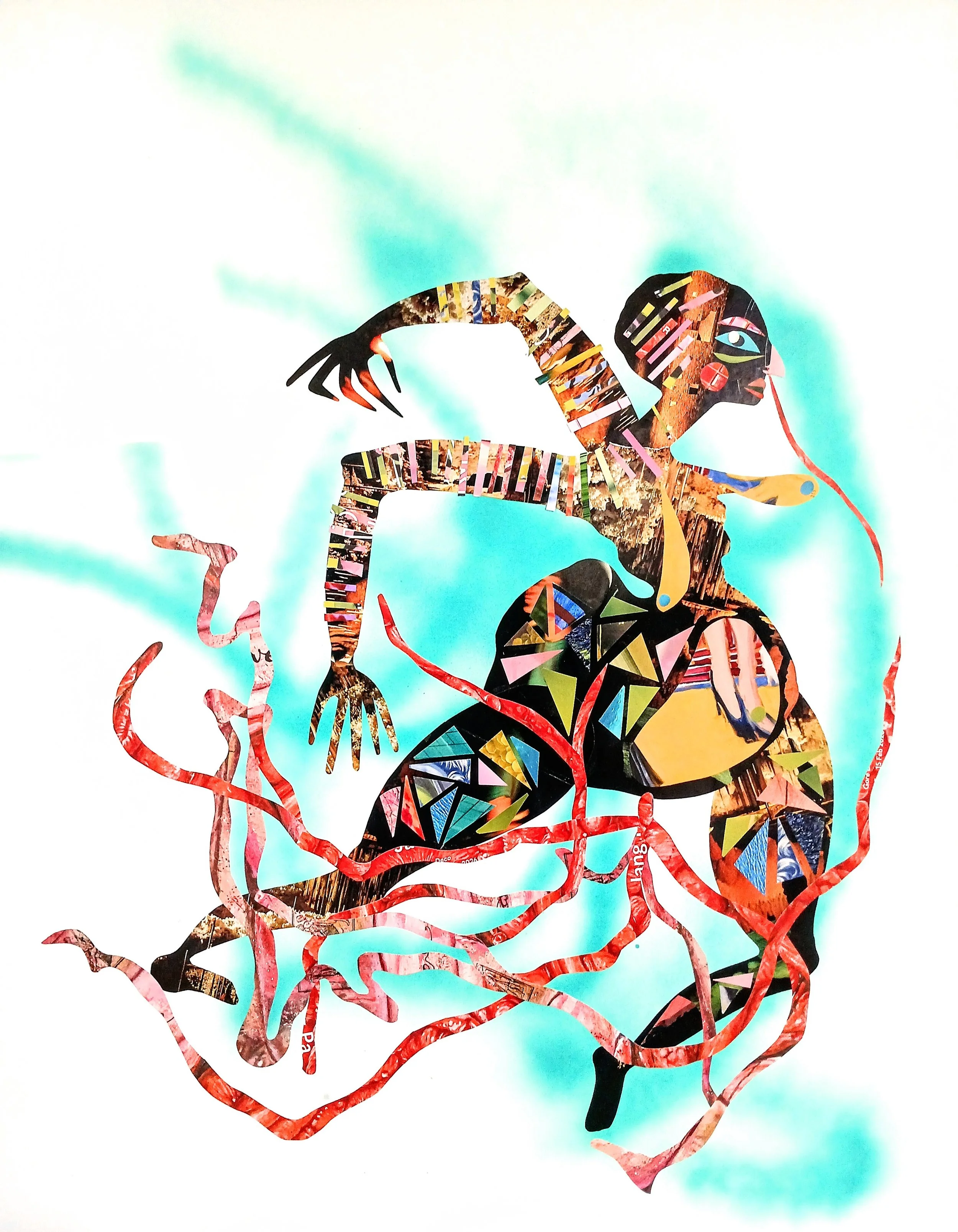
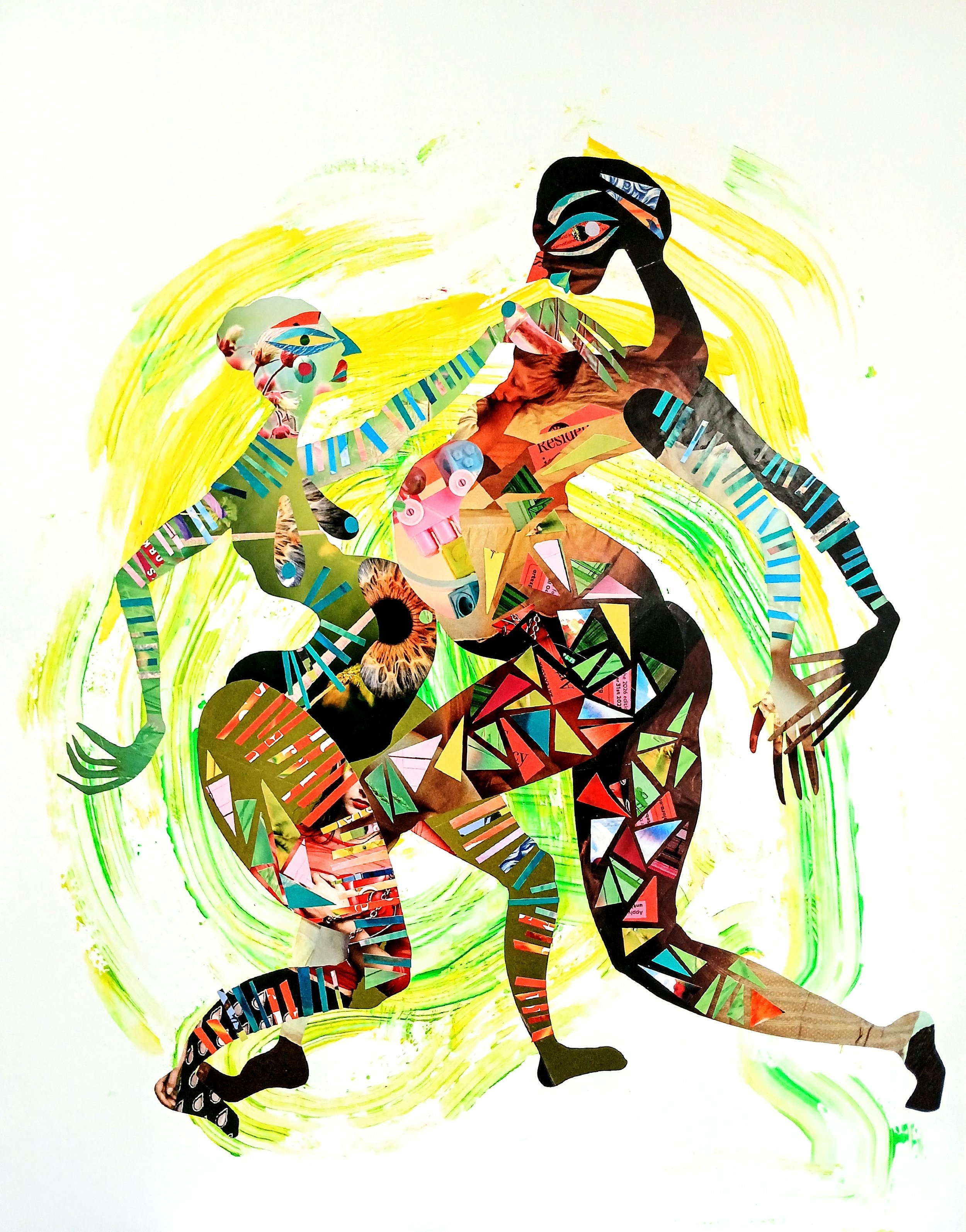
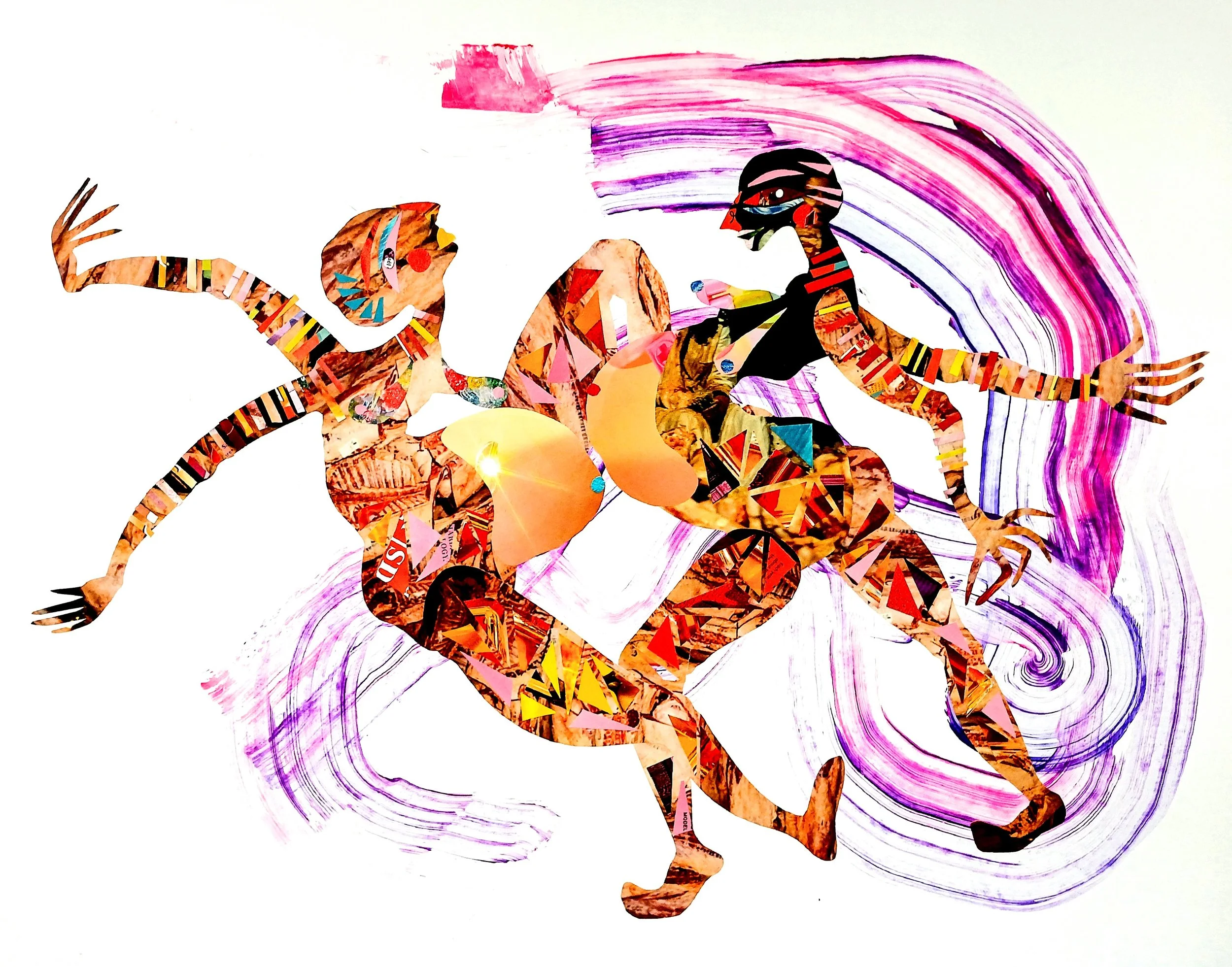
This body of work examines how violence operates as a visual language across art history, tracing its evolution from heroic myth and religious martyrdom to psychological, symbolic, and feminist interventions. By interrogating giving and receiving violence—physically, psychologically, and symbolically—we can understand how artists have both reinforced and resisted systems of power embedded in gender, authorship, and spectatorship.